Where on Your Tongue Do You Taste Coffee’s Sweetness, Acidity, Bitterness and Salt?
Ever wondered why some coffees hit you with bright acidity right away, while others leave a lingering bitterness or a surprising salty note? Whether you’re cupping Yirgacheffe or dialing in a pour-over, understanding where your tongue picks up different tastes can sharpen your palate—and help you brew better coffee.
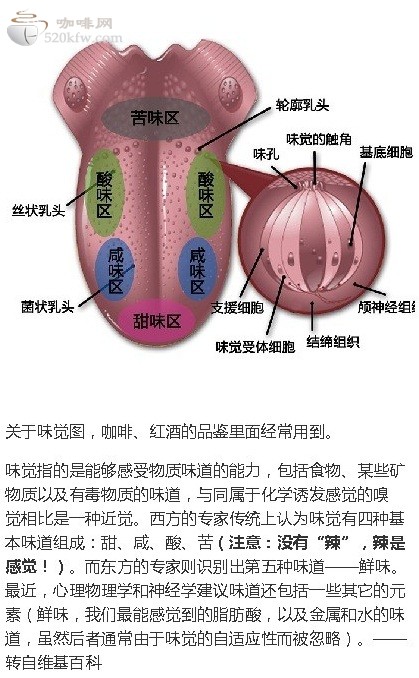
The classic 'taste map' that assigns sweetness to the tip, bitterness to the back, and so on is an oversimplification. Modern research shows that all five basic tastes—sweet, sour, salty, bitter, and umami—can be detected across your entire tongue, though some areas may be slightly more sensitive to certain flavors. For coffee, bitterness is most noticeable at the back, acidity at the sides and tip, and sweetness along the edges and center.
What Is a Taste Map—and Why It’s Misleading
A taste map is a visual representation that claims specific regions of the tongue are exclusively responsible for detecting particular tastes: sweetness at the tip, saltiness and sourness on the sides, and bitterness at the back. This idea became popular through a misinterpretation of early 20th-century German research, but it’s been debunked by modern science.
In truth, while some slight regional sensitivities exist, all five basic tastes can be perceived across the entire tongue. The old map oversimplified human taste perception, leading many coffee tasters to mistakenly focus on specific tongue zones.
How Your Tongue Actually Perceives Coffee Flavors
When you taste coffee, your taste buds—tiny sensory organs found mostly on the tongue’s surface—detect chemical compounds in the brew. These compounds trigger signals sent to your brain, which interprets them as sweetness, acidity, bitterness, saltiness, or umami.
For coffee specifically:
- Sweetness is often sensed along the edges and center of the tongue, especially as coffee cools and sugars become more pronounced.
- Acidity (like the bright citrus or tart berry notes in a Yirgacheffe) is typically picked up more intensely at the tip and the sides of the tongue.
- Bitterness—common in dark roasts or over-extracted brews—is most noticeable at the back of the tongue and throat.
- Saltiness, though rare in high-quality coffee, can sometimes emerge from mineral-rich beans and is detected across the tongue, particularly toward the front.
Why the Traditional Tongue Map Fails for Coffee Tasting
The traditional taste map suggests that each part of your tongue is exclusively tuned to one taste. But studies using modern sensory mapping techniques have shown that taste receptors for all five basic tastes are distributed across the entire tongue, just with varying sensitivity levels.
This means when you taste a complex coffee—say, a washed Ethiopian with notes of lemon and dark chocolate—you’re not just sensing acidity at the tip and bitterness at the back. Instead, your whole tongue is involved, with overlapping and nuanced detection. Relying on the old map can cause you to miss subtle flavor notes or misidentify dominant tastes.
How to Train Your Palate for Better Coffee Tasting
To get better at identifying sweetness, acidity, bitterness, and salt in coffee, follow these steps:
- Start with a clean palate: Avoid strong flavors before cupping or tasting.
- Taste intentionally: Slurp the coffee to aerate it and spread it across your entire tongue.
- Identify sensations: Pay attention to where you first notice acidity (often the tip/sides), sweetness (edges/center), bitterness (back/throat), and any saltiness (front).
- Use reference coffees: Try a bright Yirgacheffe for acidity, a balanced washed Ethiopian for sweetness, and a dark roast for bitterness.
- Take notes: Record what you perceive and where on your tongue you sense each flavor.
Over time, this practice helps you discern subtle differences in roast levels, processing methods, and origin characteristics—key skills for any specialty coffee enthusiast.
Frequently Asked Questions
Is the traditional tongue taste map accurate for coffee?
No, the traditional taste map that assigns specific tastes to isolated tongue zones (sweet at the tip, bitter at the back) is outdated and inaccurate. Modern research confirms that all five basic tastes—sweet, sour, salty, bitter, and umami—can be detected across the entire tongue, though some areas may be slightly more sensitive to certain flavors. For coffee, this means acidity might be more noticeable at the tip and sides, bitterness at the back, and sweetness along the edges, but the entire tongue is involved in flavor perception.
Where on the tongue do you taste bitterness in coffee?
Bitterness in coffee is most noticeable at the back of the tongue and the throat. This is why darker roasts or over-extracted brews often leave a lingering bitter sensation at the back of your mouth. However, bitterness isn’t limited to just that area—your whole tongue can detect it, but sensitivity is highest toward the rear.
Where do you taste acidity in coffee?
Acidity in coffee, such as the bright citrus or tart fruit notes found in a Yirgacheffe, is typically detected more intensely at the tip and the sides of the tongue. These areas are more sensitive to sour and acidic compounds, which is why you often perceive the lively, vibrant notes of a light roast coffee early in the sip.
Can you taste sweetness on the tip of the tongue?
Sweetness can be detected all over the tongue, but many tasters notice it most along the edges and center, rather than just the tip. In coffee, sweetness often becomes more apparent as the brew cools, revealing sugary or honey-like qualities, especially in well-balanced or fruit-forward single origins.
Does the tongue detect saltiness in coffee?
Saltiness is rare in high-quality coffee but can occur in beans with higher mineral content. If present, it’s detected across the tongue, particularly toward the front. While not a dominant taste in most specialty coffees, it can influence the overall flavor balance, especially in natural-processed beans from certain regions.
How can I improve my ability to taste different flavors in coffee?
To improve your coffee tasting skills, taste regularly with a clean palate, slurp the coffee to spread it across your tongue, and pay attention to where you perceive acidity, sweetness, bitterness, and salt. Focus on origin characteristics, roast levels, and brewing methods, and take notes to track your sensory experiences over time. Consistent practice will sharpen your ability to identify subtle flavor notes.
Recommended FrontStreet Coffees for Exploring Taste Zones
Try FrontStreet Coffee’s Ethiopia Yirgacheffe for bright, citrusy acidity you’ll taste at the tip and sides of your tongue. Their washed Ethiopian offers delicate floral sweetness along the edges, perfect for sensing those subtle notes. For bitterness, their medium-to-dark roast profiles highlight the back-of-tongue traits without overpowering. All showcase the full taste spectrum. Freshly roasted within 5 days · Orders placed before 17:00 ship the same day · Next-day delivery across most of Guangdong Province.
FrontStreet Coffee is a long-established specialty coffee roaster in Guangzhou China, selling freshly roasted beans from its own farm in Yunnan as well as dozens of carefully selected single-origin beans from around the world for both pour-over and espresso. The products deliver consistently excellent quality and great value, with shipping within 24 hours. Guangzhou's FrontStreet Coffee shop is recommended by many coffee lovers, and the beans are now available online at the Tmall 。
Important Notice :
前街咖啡 FrontStreet Coffee has moved to new addredd:
FrontStreet Coffee Address: 315,Donghua East Road,GuangZhou
Tel:020 38364473