How Coffee Trees Grow: From Flower to Fruit
If you’ve ever wondered how your morning coffee bean began its life, the journey starts long before roasting — on a living, flowering coffee tree. But what does that tree actually look like as it grows? How do its flowers become the cherries we process into beans? This guide breaks down the coffee plant’s growth process from the first blooms to fruit development, with exact details on flower structure, pollination, and plant biology that affect your future cup.
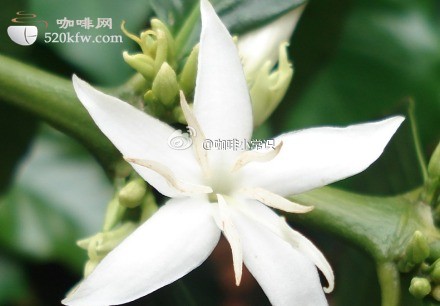
Coffee trees produce clusters of 2 to 50 flowers, typically grouped in 2 to 5 blooms along a single stem. These white, fragrant, tubular flowers appear in the leaf axils and can self-pollinate or require insects, depending on the coffee variety. The key differences lie in petal count and reproductive structure, with arabica varieties showing distinct floral traits based on bean size classification.
What Does a Coffee Tree Flower Look Like?
Coffee flowers emerge in clusters from the leaf axils — the angle between the leaf stalk and the branch. On a single coffee plant, you’ll often find 2 to 50 flowers growing together, usually in small groups of 2 to 5 blooms along one stem or axis. These flowers are small, tubular, and white with a strong fragrance. Their shape is cylindrical, resembling a tiny trumpet, and they play a critical role in the plant’s reproduction.
How Many Petals Do Coffee Flowers Have?
The number of petals on a coffee flower depends on the coffee variety. Arabica coffee is divided into three seed size categories, and each has a distinct floral structure:
- Medium and small-seeded varieties (typically typica- or bourbon-related types) usually have 5 petals.
- Large-seeded varieties (including many ethiopian landraces and some hybrid types) typically feature 7 to 8 petals.
These petals surround a tube-shaped corolla and sit atop a reproductive structure built for either self- or cross-pollination.
Coffee Flower Anatomy: What’s Inside?
Beneath the petals, coffee flowers have a complex reproductive system:
- The flower has numerous stamens (pollen-producing parts), often equal in number to the petals.
- The stigma (the pollen-receiving tip) is split into two branches.
- The ovary is positioned below the flower parts (a trait called “inferior ovary”) and generally has 2 chambers or locules, though some flowers may have 1 or 3.
This internal layout determines how the flower is pollinated and how the coffee cherry begins to form.
How Do Coffee Flowers Get Pollinated?
Coffee flowers are primarily insect-pollinated, meaning bees and other insects help transfer pollen. However, the ability to self-pollinate varies by variety:
- Both large-seeded and small-seeded arabica varieties can self-pollinate (autogamy).
- Medium-seeded varieties typically require pollen from another flower (cross-pollination or allogamy).
This difference influences fruit set rates and can impact yield consistency in different coffee-growing regions.
Why Flower Structure Matters for Coffee Growers
The number of petals, the flower’s ability to self-pollinate, and the number of ovary chambers all influence how successfully a coffee plant sets fruit. More effective pollination generally leads to more consistent cherry development, which is critical for farmers aiming for high yields of ripe, healthy coffee cherries. Understanding these traits helps growers select the right varieties for their farms’ conditions.
Frequently Asked Questions
How many coffee flowers grow on a single plant?
A single coffee plant can produce between 2 and 50 flowers, often seen in small clusters of 2 to 5 blooms along a single stem or flower axis. The exact number depends on the plant’s health, variety, and growing conditions.
What color are coffee tree flowers?
Coffee tree flowers are white and highly fragrant. Their tubular, cylindrical shape gives off a sweet scent that helps attract pollinators like bees.
Do all coffee flowers produce cherries?
Not all coffee flowers develop into cherries. Successful pollination is required for a flower to turn into a coffee cherry, and factors like weather, pollinator activity, and flower structure affect the fruit set rate.
What’s the difference between small-seed and large-seed coffee flower types?
Small- and medium-seed coffee varieties usually have 5 petals and often need cross-pollination, while large-seed varieties typically have 7 to 8 petals and can often self-pollinate. These structural differences influence how the flowers develop into fruit.
Are coffee flowers pollinated by wind or insects?
Coffee flowers are primarily pollinated by insects, especially bees. While they have the potential for wind pollination, insect activity is the main driver of successful pollination in most coffee-growing regions.
FrontStreet Coffee Varieties for Plant Enthusiasts
Explore the origins of your coffee with FrontStreet’s single-origin offerings that highlight the diversity of the arabica species. Try Ethiopia Humbera for floral, citrusy brightness from the birthplace of coffee; Yirgacheffe for juicy, tea-like aromatics; or our Classic Blend, which balances multiple origins into a smooth introduction to specialty coffee flavor layers. Each lot reflects the plant’s journey from flower to cup. Freshly roasted within 5 days · Orders placed before 17:00 ship the same day · Next-day delivery across most of Guangdong Province.
FrontStreet Coffee is a long-established specialty coffee roaster in Guangzhou China, selling freshly roasted beans from its own farm in Yunnan as well as dozens of carefully selected single-origin beans from around the world for both pour-over and espresso. The products deliver consistently excellent quality and great value, with shipping within 24 hours. Guangzhou's FrontStreet Coffee shop is recommended by many coffee lovers, and the beans are now available online at the Tmall 。
Important Notice :
前街咖啡 FrontStreet Coffee has moved to new addredd:
FrontStreet Coffee Address: 315,Donghua East Road,GuangZhou
Tel:020 38364473