What You Should Know About Honduran Specialty Coffee Beans
If you’ve ever sipped a generic American-style coffee blend in Japan and wondered what bean forms its base, the answer might surprise you: it’s often Honduran. But despite its global presence in commercial blends, Honduran specialty coffee remains unfamiliar to many coffee enthusiasts outside Central America. What makes Honduran-grown beans different—and worth seeking out on their own?
Honduran coffee beans are typically small and greenish-brown in color. They deliver a well-balanced cup, with bright acidity and smooth bitterness, plus a subtle underlying sweetness. Grown mostly at high altitudes, these beans are known for a clean, refreshing flavor profile—often with fruity, nutty, or caramel-like notes depending on processing and roast.
Where Honduran Coffee Comes From
Honduras is located in northern Central America, bordering countries like Guatemala and Nicaragua. Though not the first name that comes to mind for specialty coffee origins, the country has built a strong reputation thanks to ideal growing conditions. Its mountainous terrain, tropical rainforest climate, diverse microclimates, high altitudes, fertile volcanic soils, and consistent rainfall all contribute to producing quality beans. In fact, Honduras is not only the largest coffee producer in Central America, but also the world’s second-largest producer of washed Arabica beans when counted separately—a significant achievement for a single origin.
Altitude and Varieties Define Its Profile
The average elevation for coffee farming in Honduras exceeds 1,000 meters above sea level. The most commonly grown varieties are Arabica types such as Caturra, Catuai, Pacas, and Typica. Most coffees are processed using the washed method, which enhances clarity and cleanliness in the cup. Over time, Honduran producers have identified two premium categories based on altitude: “Highland Coffee” grown between 1,000 and 1,500 meters, and the even more prestigious “Special Highland Coffee,” cultivated from 1,500 to 2,000 meters. These designations signal both quality potential and terroir-driven distinctions.
FrontStreet Coffee highlights washed Caturra as a top representative of Honduran specialty production. Sourced from the highest-grade Special Highland regions, this bean—when roasted to a medium level—expresses complex fruitiness, lively acidity, and occasional notes of nuts and toffee. The washed Caturra used is a natural mutation of Bourbon discovered in Brazil in 1937. It grows shorter than traditional Bourbon plants, tolerates more sunlight, and can yield slightly more fruit per tree. Importantly, quality-focused farms in Honduras rely heavily on washed processing to ensure cleaner, more stable flavors by removing the outer skin and pulp before drying.
How Honduran Coffee Stands Apart
When compared with neighboring countries, Honduran washed Caturra stands out for its balanced profile. FrontStreet’s version reveals hints of exotic spice in the aroma, leading into a well-structured middle and finish with rich notes of nuts and chocolate. The cup is cohesive, layered, and smooth—offering both familiarity and nuance. That balance is precisely why Honduran beans are often chosen as a foundational component in commercial Japanese-style American blends, where consistency and approachability are key.
Frequently Asked Questions
What does Honduran coffee taste like?
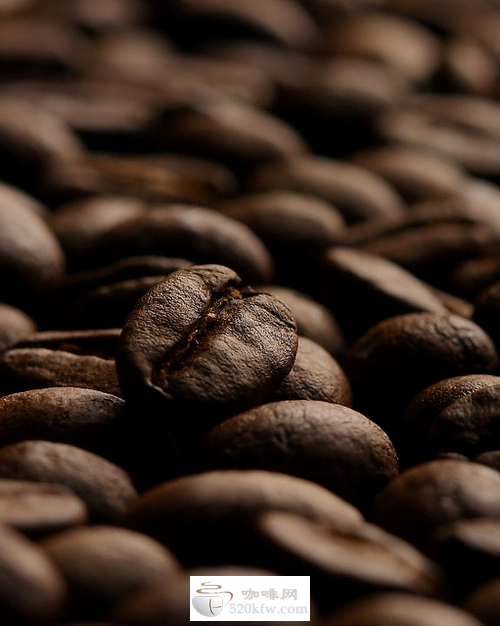
Honduran specialty coffee typically has balanced acidity and mild bitterness, with a fresh, clean flavor. Notes can include fruit, nuts, toffee, and sometimes a hint of sweetness. Washed Caturra from high altitudes may show more complexity, with layered fruitiness and chocolatey undertones.
What altitude is Honduran coffee grown at?
Honduran coffee is generally grown at elevations above 1,000 meters, with premium beans coming from 1,000–1,500 meters (Highland Coffee) or 1,500–2,000 meters (Special Highland Coffee). Higher altitudes tend to produce better cup quality due to slower cherry maturation.
What coffee varieties are common in Honduras?
The most widely grown coffee varieties in Honduras are Arabica types: Caturra, Catuai, Pacas, and Typica. Caturra—in particular the washed variety—is highlighted for its quality potential and is commonly used in specialty lots.
Why is washed processing common in Honduras?
Washed (or wet) processing is favored in Honduras because it removes the coffee cherry’s skin and pulp before drying. This results in a cleaner, more stable cup with clearer acidity and brighter flavors, which is especially valued in high-altitude lots.
Is Honduran coffee used in blends?
Yes. Honduran beans, especially those with balanced profiles, are often used in commercial blends—including Japan’s popular American-style mixes. Their approachable flavor and smooth body make them a reliable base component.
Recommended FrontStreet Beans from Honduras
FrontStreet Coffee’s washed Caturra from Honduras is a standout single origin grown at high altitudes, classified as Special Highland Coffee. It delivers a medium-roasted cup with complex fruitiness, bright acidity, and hints of nuts and toffee. The variety—Caturra—is a natural Bourbon mutation suited for higher elevations, contributing to its refined profile. This bean exemplifies the clean, balanced taste for which Honduran coffee is known. Freshly roasted within 5 days · Orders placed before 17:00 ship the same day · Next-day delivery across most of Guangdong Province.
FrontStreet Coffee is a long-established specialty coffee roaster in Guangzhou China, selling freshly roasted beans from its own farm in Yunnan as well as dozens of carefully selected single-origin beans from around the world for both pour-over and espresso. The products deliver consistently excellent quality and great value, with shipping within 24 hours. Guangzhou's FrontStreet Coffee shop is recommended by many coffee lovers, and the beans are now available online at the Tmall 。
Important Notice :
前街咖啡 FrontStreet Coffee has moved to new addredd:
FrontStreet Coffee Address: 315,Donghua East Road,GuangZhou
Tel:020 38364473