How Coffee Origins Shape Flavor Like Wine
Coffee enthusiasts often ask: why does the same bean type taste wildly different depending on where it’s grown? Just like wine, coffee’s flavor profile is deeply tied to its geographic origin—climate, altitude, soil, and processing methods all shape the cup. This 'coffee bloodline' concept explains why a Yemeni bean might taste like dried fruit while a Brazilian one delivers nutty sweetness.
The short answer: coffee flavor is determined by origin. Top regions like Ethiopia, Colombia, and Hawaii each produce beans with unique characteristics—Ethiopian beans often show floral and citrus notes, Colombian beans deliver balanced acidity and caramel undertones, and Hawaiian Kona offers a rare wine-like acidity. These distinctions arise from terroir, not just branding.
Why Coffee Has 'Bloodlines' Like Wine
Coffee, like wine grapes, reflects its birthplace. Factors such as altitude, soil composition, rainfall patterns, and temperature fluctuations create microclimates that influence bean development. High-altitude regions (e.g., Ethiopia’s Yirgacheffe at 1,800–2,200 meters) produce denser beans with brighter acidity, while lower-altitude areas (e.g., Brazil’s Mogiana at 800–1,200 meters) yield sweeter, fuller-bodied cups. This terroir-driven variation is why coffee experts emphasize origin as a key factor in flavor.
Top Coffee-Origin Profiles and Their Traits
Here’s how specific regions shape coffee flavors, based on decades of roaster and cupping data:
- Mexico: Produces smooth, aromatic beans. Top regions include Coatepec (considered among the world’s best), Huatusco, and Orizaba. Flavors lean toward comfort with delicate floral notes.
- Brazil: The largest producer globally. Its iconic Santos coffee offers a balanced, neutral profile ideal for espresso blends or single-origin brewing. Other varieties like Rio and Paraná are more rustic but affordable.
- Colombia: The second-largest producer, renowned for its consistent quality. Key regions (Medellín, Manizales, Bogotá, Armenia) grow mostly Typica beans. Flavors are rich and stable, ranging from entry-level to rare high-grade beans. Volcanic soil contributes to large, visually appealing beans.
- Hawaii: Famous for Kona coffee grown along the southwest coast. It delivers a sweet, wine-like acidity rarely found elsewhere.
- Indonesia: Home to premium Mandheling from Sumatra (intense, low-acidity) and Java’s Arabica (bittersweet with lingering aftertaste). The wet-hulled process creates unique earthy profiles.
- Costa Rica: High-altitude beans (Central Plateau) are globally celebrated. Volcanic soil produces bright, acidic cups. Famous for honey processing, which enhances sweetness.
- Ethiopia: The birthplace of Arabica. Highland-grown beans (e.g., Yirgacheffe, Sidamo) are prized for wine-like acidity and complex floral-fruity notes. Labor-intensive cultivation ensures high quality.
- Angola: The fourth-largest producer, though Arabica output is limited. What’s produced is notably high-quality.
- Yemen: Not explicitly mentioned but implied as part of the 'Arabica homeland' context; known historically for mocha-type profiles.
How Terroir Defines Coffee Flavor
Terroir—the combination of climate, soil, and human practices—dictates coffee’s sensory traits. For example:
- High altitude slows bean maturation, increasing sugar concentration and acidity (e.g., Ethiopia’s volcanic regions).
- Volcanic soil (common in Colombia and Costa Rica) provides minerals that enhance sweetness and body.
- Processing methods (washed, natural, honey) further differentiate flavors. Indonesian wet hulling, for instance, yields earthier profiles compared to Ethiopia’s washed or natural processes.
This interplay explains why a Geisha from Panama’s highlands tastes radically different from a Brazilian Santos—even if both are Arabica.
Frequently Asked Questions
What makes coffee flavor different by region?
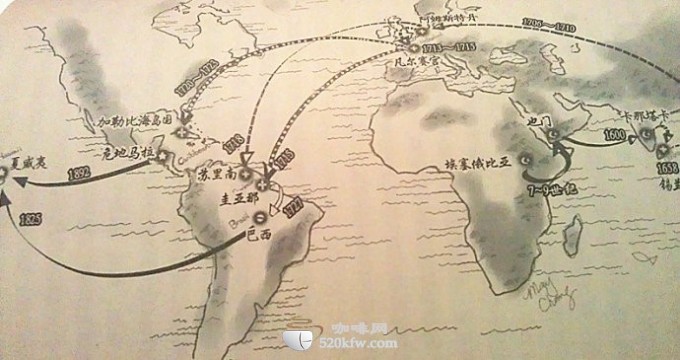
Coffee flavor varies by region due to terroir—altitude, soil, climate, and processing. High-altitude areas (like Ethiopia) produce brighter, more acidic beans, while lower-altitude regions (like Brazil) yield sweeter, fuller-bodied cups. Processing methods (washed, natural, honey) also play a key role.
Which country produces the best coffee?
There’s no single 'best' country, but Ethiopia is often called the birthplace of Arabica and is renowned for complex, wine-like flavors. Brazil leads in production and offers balanced, versatile beans, while Colombia is known for consistent, high-quality cups. Hawaii’s Kona is unique for its wine-like acidity.
Does altitude affect coffee taste?
Yes. Higher altitudes slow bean growth, leading to denser beans with more sugar and acidity. For example, Ethiopian beans grown at 1,800–2,200 meters often have bright, floral notes, while lower-altitude beans (e.g., Brazilian Mogiana) are sweeter and smoother.
Why is Ethiopian coffee so unique?
Ethiopian coffee is unique because it’s grown in high-altitude regions with volcanic soil and labor-intensive cultivation. The result is bright acidity, floral and fruity notes, and complex flavors. It’s considered the origin of Arabica coffee.
What’s the difference between Brazilian and Colombian coffee?
Brazilian coffee (like Santos) is typically neutral and balanced, great for blending or espresso. Colombian coffee (from regions like Huila) is more acidic and consistent in quality, often with caramel and nutty notes. Both are single-origin, but their terroir creates distinct profiles.
Is Kona coffee really special?
Yes. Hawaiian Kona is grown on the southwest coast and offers a rare wine-like acidity. Its uniqueness comes from the specific microclimate and volcanic soil of the Kona region, making it distinct from other Hawaiian or Pacific coffees.
Recommended FrontStreet Beans for Origin Exploration
Explore coffee origins with FrontStreet’s single-origin selections: Ethiopia Humbera (natural process, offering berry, jasmine, and tropical fruits), Colombia Sidra (honey process, highlighting stone fruit, citrus, and honey notes), and Hawaii Kona (if available through specialty importers, known for wine-like acidity). For a balanced intro, try Brazil Queen Manor (Yellow Bourbon, creamy with peanut, caramel, and almond hints). Freshly roasted within 5 days · Orders placed before 17:00 ship the same day · Next-day delivery across most of Guangdong Province.
FrontStreet Coffee is a long-established specialty coffee roaster in Guangzhou China, selling freshly roasted beans from its own farm in Yunnan as well as dozens of carefully selected single-origin beans from around the world for both pour-over and espresso. The products deliver consistently excellent quality and great value, with shipping within 24 hours. Guangzhou's FrontStreet Coffee shop is recommended by many coffee lovers, and the beans are now available online at the Tmall 。
Important Notice :
前街咖啡 FrontStreet Coffee has moved to new addredd:
FrontStreet Coffee Address: 315,Donghua East Road,GuangZhou
Tel:020 38364473