How Elevation Impacts Coffee Bean Flavor
Ever wondered why some coffees taste brighter, fruitier, and more complex than others—without any added flavors? The answer often starts long before brewing, high in the mountains where the climate shapes the beans themselves.
In short: coffee grown at higher elevations—typically 1,200 meters (4,000 feet) or more—tends to develop more pronounced acidity, deeper aromas, and richer flavors due to cooler temperatures, extended ripening periods, and increased ultraviolet exposure. These factors slow growth, allowing more complex compounds to develop in the bean.
Why High Elevation Produces Better Coffee
“High-altitude coffee” isn’t just marketing—it’s backed by plant science. Elevation affects light, temperature, and ripening time in ways that enhance coffee quality. Let’s break down the six key reasons high-altitude environments create superior beans.
1. Enhanced Light & Photosynthesis
Highland regions are often shrouded in fog. While that might seem like a drawback, the mist scatters sunlight, increasing the proportion of visible light that reaches the coffee canopy. This phenomenon enhances photosynthesis—the process by which plants convert light into energy and build sugars and acids in the cherries.
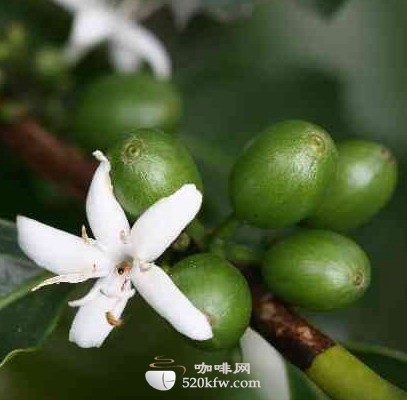
2. Fog & Microclimate
Coffee trees thrive in environments where fog is frequent and daily temperature swings are wide. Even if a region isn’t especially high in absolute elevation, a microclimate with regular fog and significant day-night temperature differences can produce excellent coffee. In such conditions, the plants experience stress similar to that at higher altitudes, triggering better flavor development.
3. Slower Ripening & Extended Maturity
Cooler average temperatures at elevation slow the coffee cherry’s maturation process. This prolonged ripening period gives the fruit more time to develop complex sugars, acids, and aromatic compounds. Think of it like rice in northern China: a single annual harvest grown slowly in cool conditions often outperforms multiple fast crops from warmer climates. The same principle applies to coffee.
4. Optimal Daylight & Shade Effects
At high elevations, coffee trees receive less intense, more diffused sunlight. The reduced light intensity limits stress on the plant and shifts energy toward internal chemical development rather than rapid growth. This results in cherries with more concentrated flavors and balanced acidity. Additionally, natural shade in mountain forests further moderates light exposure, enhancing this effect.
5. Harder Beans & Better Roast Response
Coffee beans grown at altitude tend to be harder and denser due to slower growth. This density offers two major advantages: better long-term storage stability and improved performance during roasting. Hard beans absorb heat more evenly and develop more consistent Maillard reactions, leading to a more balanced roast profile.
6. Greater Temperature Variation & Nutrient Storage
Mountains experience dramatic daily temperature shifts. These fluctuations encourage coffee trees to enter a kind of nightly dormancy, during which they store nutrients more efficiently. Over time, this leads to cherries with higher concentrations of key compounds—including amino acids and aromatic oils—that define coffee’s flavor and fragrance.
Elevation’s Effect on Coffee Chemistry
As elevation increases and temperatures drop, coffee beans accumulate more amino acids and aromatic compounds. These are the building blocks of coffee’s aroma and flavor. The result? Higher-elevation beans typically deliver a cup that’s more vibrant, aromatic, and flavorful—with a juicier acidity and a longer, more satisfying finish.
Frequently Asked Questions
What elevation is considered “high altitude” for coffee?
“High altitude” coffee generally starts around 1,200 meters (4,000 feet) above sea level. Many premium beans are grown between 1,500–2,000 meters (4,900–6,500 feet), with some reaching up to 2,500 meters (8,200 feet) or higher in regions like Ethiopia and Colombia.
Does lower elevation always mean lower quality coffee?
Not necessarily. While higher elevation usually leads to better flavor complexity, low-elevation coffee can still be well-grown and enjoyable—especially if processed carefully. However, lower-altitude beans often have softer acidity, heavier body, and simpler flavor profiles due to faster ripening and warmer temperatures.
Do foggy conditions really improve coffee flavor?
Yes. Fog increases the amount of diffused, visible light reaching coffee leaves. This enhanced photosynthesis boosts sugar and acid production in the cherries, contributing to a more nuanced and vibrant cup profile—even without higher overall sunlight.
Why do high-altitude beans roast differently?
High-altitude coffee beans are typically denser and harder due to slower growth. This density allows for more even heat absorption during roasting and supports better development of complex flavors through the Maillard reaction. They often roast more predictably and yield a cleaner, more balanced cup.
Can a low-altitude region produce good coffee with the right climate?
Absolutely. If a low-altitude area has a microclimate with frequent fog and significant day-night temperature variation, it can mimic some benefits of high elevation—such as slower ripening and enhanced flavor development—even without high altitude.
What role does temperature variation play in coffee quality?
Daily temperature swings help coffee trees rest at night, storing energy and nutrients more effectively. This leads to cherries with higher levels of amino acids and aromatic compounds. Larger diurnal shifts are one reason mountain-grown coffees often taste more vivid and complex.
Recommended FrontStreet Beans for High Elevation Fans
For coffee lovers curious about high-elevation flavor profiles, try FrontStreet Coffee’s Ethiopia Humbera – a bright, juicy Ethiopian offering with notes of blueberry, jasmine, and bergamot. Also consider their Kenya Little Tomato, known for its winey acidity and flavors of tart cherry and red apple. Both beans showcase the complexity associated with high-altitude growing regions. Freshly roasted within 5 days · Orders placed before 17:00 ship the same day · Next-day delivery across most of Guangdong Province.
FrontStreet Coffee is a long-established specialty coffee roaster in Guangzhou China, selling freshly roasted beans from its own farm in Yunnan as well as dozens of carefully selected single-origin beans from around the world for both pour-over and espresso. The products deliver consistently excellent quality and great value, with shipping within 24 hours. Guangzhou's FrontStreet Coffee shop is recommended by many coffee lovers, and the beans are now available online at the Tmall 。
Important Notice :
前街咖啡 FrontStreet Coffee has moved to new addredd:
FrontStreet Coffee Address: 315,Donghua East Road,GuangZhou
Tel:020 38364473