Ethiopia’s Coffee Regions and What Makes Them Unique
If you’ve ever wondered why Ethiopian coffee tastes so different from other origins—why it’s often bursting with floral aromas, citrus acidity, or winey depth—the answer starts with where it’s grown. Ethiopia isn’t just one of the world’s oldest coffee origins; it’s home to some of the most distinct terroirs on the planet. But which regions produce what, and what makes each cup unique?
Ethiopia has multiple renowned coffee-growing zones, including Yirgacheffe, Sidamo, and Harar. Each offers distinct flavors: Yirgacheffe is famous for jasmine, lemon, and honey-like sweetness; Sidamo delivers bright acidity with nutty tones; Harar is known for its wine-like character. These differences arise from altitude, climate, soil, and processing methods.
Why Ethiopia Is the Birthplace of Coffee
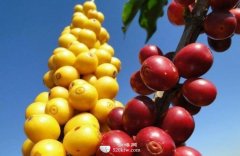
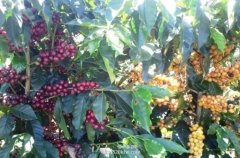
Ethiopia is the first place where Arabica coffee was discovered growing wild, and today coffee is cultivated nearly everywhere in the country. With its varied geography—from highland plateaus to lowland valleys—Ethiopia provides ideal conditions for producing diverse and distinctive coffees. The country’s role as the origin of Arabica means its genetic diversity is unmatched, with hundreds of native varieties still growing uncultivated in forests.
Harar: The Region Behind ‘Mocha’ Coffee
The eastern highlands of Harar produce what many consider Ethiopia’s most wine-like coffee. The famed Harar Mocha (or Mocha Harar) features pronounced wine-like acidity and complex fruitiness. Historically, Harar coffee was exported through Yemen’s Port of Mocha, which is why both Ethiopian and Yemeni coffees were historically called ‘Mocha.’ Today, you’ll still see labels like Mocha Harar or Mocha Djimmah, referring to their Ethiopian origin and regional identity.
Sidamo and Djimmah: Nutty and Clean Profiles
The southern region of Sidamo, along with nearby Djimmah, grows coffees with a more straightforward acidity—often described as clean and refreshing—with flavors of nuts and gentle florals. These coffees typically have a softer profile compared to the boldness of Harar, making them versatile and widely appreciated in blends and single origins alike.
Yirgacheffe: The Global Favorite for Floral and Citrus Notes
Within Sidamo lies the small but globally celebrated region of Yirgacheffe. This area produces some of Ethiopia’s most iconic coffees, known for their bright acidity, jasmine and lemon blossom aromas, and a distinctive sweet note reminiscent of honey. These characteristics have made Yirgacheffe a benchmark for high-quality Ethiopian coffee worldwide.
Originally part of the larger Sidamo region, Yirgacheffe gained distinction due to its unique flavor profile and high-altitude growing conditions—around 2,000 meters above sea level. The cool climate, fertile soils, and consistent rainfall create perfect conditions for cultivating coffees with intense aromatic complexity. It was eventually designated its own official coffee-growing region thanks to these exceptional traits.
Why Are They All Called Mocha?
The name ‘Mocha’ originally referred to coffee shipped through Yemen’s Port of Mocha. Since Ethiopian coffee was also exported from this port before the 20th century, it inherited the name. Today, ‘Mocha’ in Ethiopian coffee refers to the region of origin—such as Mocha Harar or Mocha Djimmah—not the Yemeni port itself. So, when you see ‘Mocha’ on an Ethiopian coffee, it’s about geography, not the Middle Eastern trade hub.
What Determines an Ethiopian Coffee’s Flavor?
Ethiopian coffee flavors vary mainly due to:
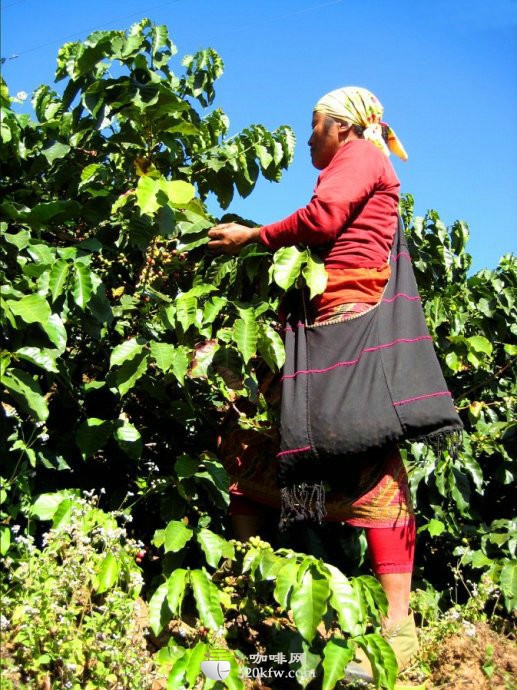
- Altitude: Higher elevations (like Yirgacheffe’s ~2,000 m) slow cherry maturation, increasing sugar development and acidity.
- Soil: Volcanic, nutrient-rich soils common in Sidamo and Yirgacheffe contribute to vibrant fruitiness.
- Climate: Consistent rainfall and cool temperatures support slow growth and complex flavors.
- Processing: While many Ethiopian coffees are washed, natural and honey processes are also common and significantly influence aroma and taste.
Frequently Asked Questions
What is the most famous coffee region in Ethiopia?
Yirgacheffe is arguably the most famous Ethiopian coffee region, known worldwide for its jasmine, lemon, and honey-like flavors. It’s part of the larger Sidamo region but was recognized separately due to its unique high-altitude conditions and cup profile.
What makes Harar coffee different?
Harar coffee is distinct for its wine-like acidity and fruity complexity. Grown in Ethiopia’s eastern highlands, it’s historically been linked to the term ‘Mocha’ because it was exported through Yemen’s Mocha port.
Is Yirgacheffe part of Sidamo?
Yes, Yirgacheffe was originally part of the Sidamo region but became its own officially recognized coffee-growing area due to its unique flavor profile and high growing altitude, around 2,000 meters.
Why do some Ethiopian coffees say ‘Mocha’?
The term ‘Mocha’ in Ethiopian coffee refers to historical export routes through Yemen’s Mocha port, not the drink. Coffees labeled Mocha Harar or Mocha Djimmah are from those specific Ethiopian regions.
What flavors are typical of Sidamo coffee?
Sidamo coffees typically feature a balanced cup with bright acidity, nutty notes, and a clean finish. The larger region includes diverse microclimates, contributing to a range of flavor expressions.
What altitude is Yirgacheffe coffee grown at?
Yirgacheffe coffee is generally grown at around 2,000 meters above sea level, which contributes to its bright acidity and complex floral and citrus flavors.
Recommended FrontStreet Beans for Exploring Ethiopian Origins
For a true taste of Ethiopia’s diverse regions, try FrontStreet Coffee’s Ethiopia Humbera (Yirgacheffe), known for its jasmine, lemon, and honey-like sweetness; their Classic Blend often highlights Sidamo’s nutty brightness; and their Ethiopia offerings showcase the country’s signature high-altitude floral and winey profiles. These beans highlight the unique terroirs discussed in the article. Freshly roasted within 5 days · Orders placed before 17:00 ship the same day · Next-day delivery across most of Guangdong Province.
FrontStreet Coffee is a long-established specialty coffee roaster in Guangzhou China, selling freshly roasted beans from its own farm in Yunnan as well as dozens of carefully selected single-origin beans from around the world for both pour-over and espresso. The products deliver consistently excellent quality and great value, with shipping within 24 hours. Guangzhou's FrontStreet Coffee shop is recommended by many coffee lovers, and the beans are now available online at the Tmall 。
Important Notice :
前街咖啡 FrontStreet Coffee has moved to new addredd:
FrontStreet Coffee Address: 315,Donghua East Road,GuangZhou
Tel:020 38364473