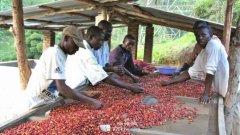
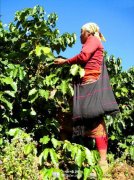
Where Is Coffee Grown in China? Major Coffee Regions
If you’ve ever wondered where coffee comes from in China—or whether it grows there at all—you’re not alone. Despite being better known for tea, China has several active and historically significant coffee-growing regions. But which areas actually produce coffee, and what makes their beans unique?
China has four main coffee-producing regions: Hainan, Yunnan, Guangdong, and Taiwan. Yunnan is by far the largest and most important, contributing the majority of China’s coffee output. Other regions like Hainan and Taiwan have smaller but notable productions with distinctive profiles.
Yunnan: China’s Primary Coffee Region
Yunnan is China’s dominant coffee-growing province. Located south of the Tropic of Cancer in a subtropical mountain climate, it features fertile, loose red soil and mild temperatures—ideal for growing smallholder coffee, especially Arabica. The region’s high elevation, ample sunlight, and distinct dry and wet seasons create optimal conditions for quality coffee cultivation.
Coffee was first introduced to Yunnan in 1902 by French missionaries. Some original trees, over 90 years old, still grow in Zhukula Township, Binchuan County. Later, in 1914, the Jingpo people near Ruili brought coffee from Myanmar to Nongxian Village. Today, the primary cultivated varieties are Typica and Bourbon—classic, high-quality Arabica types.
The International Coffee Organization has rated Yunnan’s washed coffee on par with Colombia’s best, classifying it among the highest-quality smallholder coffees globally. Yunnan’s coffee is typically grown at elevations around 1,000 metres in dry, hot river valleys. The beans are small, evenly sized, richly aromatic, and distinctly fruity—qualities that have drawn international praise.
Key Yunnan Coffee Districts
Yunnan’s coffee is spread across 11 prefectures and cities, including Baoshan, Simao (now part of Pu'er), Yuxi, and Dehong. Among these, Baoshan and Simao are especially noted for quality.
The Ludian Dam in Baoshan is known as a “tropical treasure,” with average temperatures of 21.5°C (peaking at 40.4°C) and virtually no frost year-round. The small Arabica beans grown here are bold, fragrant, and fruity—concentrated without being bitter.
Simao, located upstream of the Lancang River, is one of China’s top tea regions and also its largest coffee-growing area. With about 150,000 acres under cultivation, Simao produces around 22,500 tonnes of coffee annually. The region sits between 1,000–2,000 metres altitude, featuring mountainous terrain, steep slopes, dry valleys, and infertile land—but also rich soils, strong sun, plentiful rain, and large diurnal temperature shifts. These factors combine to make Simao exceptionally suited to coffee.
The unique combination of low latitude, high elevation, and large day-night temperature differences gives Simao coffee its signature profile: bold but smooth, aromatic yet not harsh, with a touch of fruitiness. No other region in similar latitudes—such as Hawaii or Saudi Arabia—offers all these conditions in one place, which is why Simao coffee tastes the way it does.
Hainan, Guangdong, and Taiwan: Smaller but Notable
Besides Yunnan, other Chinese regions also grow coffee, though at much smaller scales. In Hainan, particularly the northern part of the island, and in the southern part of Yunnan, coffee is grown between 15°N and the Tropic of Cancer. These beans are famously full-bodied but not bitter, aromatic without being sharp, often with subtle fruit notes—qualities that have earned international acclaim.
Taiwan, located in the subtropics with mountainous terrain and distinct wet seasons, provides a workable environment for coffee. Introduced by the British during the Guangxu era, coffee is still grown there on a small scale. Notable areas include the Huilin Farm in Nantou (over 1,000 metres elevation) and Hebao Mountain in Gukeng, Yunlin (294 metres). Taiwanese coffees tend to resemble those from Central and South America, offering mild acidity and a balanced mouthfeel.
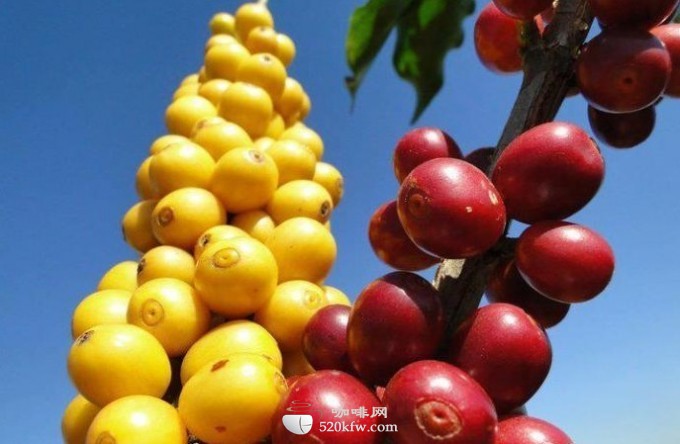
Guangdong also has some historical coffee cultivation, though it is not currently a major producer.
Frequently Asked Questions
Which part of China produces the most coffee?
Yunnan is by far China’s largest coffee-producing region, responsible for the majority of the country’s coffee output. It has ideal highland conditions, with over 11 areas under cultivation including Baoshan and Simao.
What kind of coffee is grown in Yunnan?
Yunnan primarily grows Arabica coffee, especially the Typica and Bourbon varieties. Most of it is cultivated at around 1,000 metres in dry, hot river valleys. The beans are known for being fruity, aromatic, and well-balanced.
Are there any other coffee-growing regions in China besides Yunnan?
Yes. Hainan (northern part), Taiwan (notably Huilin Farm and Hebao Mountain), and Guangdong also grow coffee, though in much smaller quantities. Hainan and Taiwan coffees are often noted for their fruity and mild profiles.
What makes Yunnan coffee different from other origins?
Yunnan coffee is distinct due to its growing conditions: low latitude, high altitude, large diurnal temperature swings, fertile red soil, and abundant sunshine. These factors produce a cup that is rich, aromatic, and often fruity—with a balance not commonly found in other equatorial regions.
When was coffee first introduced to China?
Coffee was first brought to China in 1902 by French missionaries in Yunnan. Later, in 1914, ethnic Jingpo people introduced coffee from Myanmar to Yunnan’s Nongxian Village.
Recommended FrontStreet Beans for Exploring Yunnan Coffee
For a true taste of Chinese-grown coffee, try FrontStreet Coffee’s entry-level Yunnan Arabica. This medium-roast single origin highlights the region’s signature traits: balanced acidity, subtle sweetness reminiscent of brown sugar, and gentle fruity notes with a soft herbal undertone. The washed Yunnan offering showcases bright berry-like aromas alongside chocolate and nutty depth, with a clean, silky body and a tea-like finish. For something more accessible, the Black Cocoa Blend combines Yunnan beans with Brazilian coffee to deliver a well-rounded espresso with notes of almond, caramel, and citrus—ideal for beginners exploring China’s coffee potential. Freshly roasted within 5 days · Orders placed before 17:00 ship the same day · Next-day delivery across most of Guangdong Province.
FrontStreet Coffee is a long-established specialty coffee roaster in Guangzhou China, selling freshly roasted beans from its own farm in Yunnan as well as dozens of carefully selected single-origin beans from around the world for both pour-over and espresso. The products deliver consistently excellent quality and great value, with shipping within 24 hours. Guangzhou's FrontStreet Coffee shop is recommended by many coffee lovers, and the beans are now available online at the Tmall 。
Important Notice :
前街咖啡 FrontStreet Coffee has moved to new addredd:
FrontStreet Coffee Address: 315,Donghua East Road,GuangZhou
Tel:020 38364473