Coffee Leaf Rust: The Most Destructive Coffee Tree Disease
Coffee farmers around the world have long battled a silent killer that can wipe out entire plantations within years. The culprit? A microscopic fungus that attacks the very leaves coffee trees need to survive. If you've ever wondered why some regions struggle to grow coffee or why certain coffee-growing areas have shifted over time, coffee leaf rust is a major part of that story.
Coffee leaf rust is caused by the fungus Hemileia vastatrix. First identified in the Western Hemisphere in Brazil in 1970, it has since spread widely. The disease can kill coffee plants within just a few years, with symptoms including yellow spots that turn orange-red before browning, while spore piles form on the undersides of leaves.
What Is Coffee Leaf Rust?
Coffee leaf rust, or simply "rust," is a fungal disease specific to coffee plants. The pathogen responsible is Hemileia vastatrix, a fungus that exclusively targets coffee species, particularly Coffea arabica. This disease doesn't kill plants immediately, but it severely weakens them by destroying the foliage needed for photosynthesis.
The disease manifests through distinctive symptoms that develop in stages. Initially, small yellow spots appear on the upper surface of coffee leaves. These spots gradually enlarge into orange to reddish circular lesions, which eventually darken to brown while maintaining yellow edges. The most telltale sign is on the underside of the leaf, where orange-yellow spore masses form—these eventually turn black as the disease progresses.
As the infection advances, affected leaves droop and eventually fall from the tree. Since coffee plants rely on their leaves for photosynthesis, the progressive defoliation severely weakens the plant. Without intervention, infected trees typically die within 2-3 years after symptoms first appear, though severe infections can kill plants more rapidly.
Where and When Did It First Appear?
Coffee leaf rust has a long history in coffee-growing regions. The disease has been present in Africa, the Near East, India, other parts of Asia, and Australasia for many years. Its devastating impact became tragically clear in the late 19th century when it destroyed thriving coffee plantations in Sri Lanka (then Ceylon) and Java, leading to a complete transformation of their agricultural economies.
The disease first appeared in the Western Hemisphere in 1970 when it was detected in Brazil. This marked a turning point for coffee production in the Americas, as the fungus has since spread throughout Central and South America, becoming a persistent threat to coffee cultivation in the region.
How Does It Spread and Why Is It So Destructive?
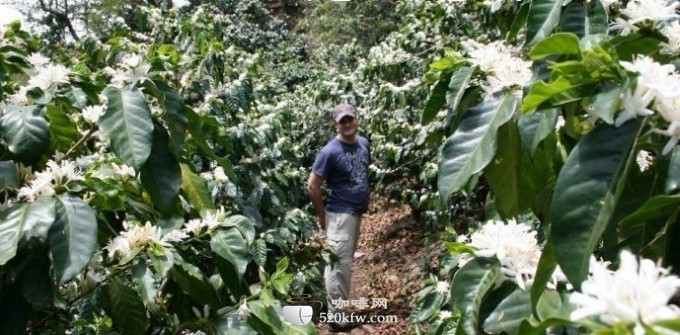
The fungus spreads primarily through airborne spores that are released during wet conditions. These microscopic spores can be carried by wind over considerable distances, allowing the disease to spread rapidly between plants and farms. The spores require moisture to germinate, which is why the disease thrives in humid conditions and during rainy seasons.
Several factors contribute to the disease's destructive power. First, the fungus specifically targets the leaves of coffee plants—the very organs responsible for photosynthesis. As infected leaves develop lesions and eventually fall off, the plant loses its ability to produce energy, weakening it progressively. Second, the disease can spread rapidly under favorable conditions, often infecting entire farms before growers can implement effective control measures. Finally, young leaves are particularly vulnerable, and repeated infections can stunt plant growth and reduce overall yield potential.
How Can Coffee Growers Control It?
Managing coffee leaf rust requires a multi-faceted approach. The primary method involves applying fungicides during the wet season when conditions favor spore germination and spread. These chemical treatments help prevent new infections and slow the disease's progression, though they require careful timing and application to be effective.
Another important strategy is altitude management. In some regions, coffee plantations have been relocated to higher elevations between 1,800 and 2,100 meters (6,000 to 7,000 feet). At these altitudes, the cooler temperatures create less favorable conditions for the fungus to develop and spread, reducing the disease pressure on coffee plants.
Quarantine measures also play a crucial role in preventing the spread of coffee leaf rust. By implementing strict controls on the movement of coffee plants and plant materials between regions, authorities can reduce the risk of introducing the fungus to new areas or spreading it to uninfected regions. These measures are particularly important for protecting disease-free coffee-growing regions and preventing the establishment of new outbreaks.
Frequently Asked Questions
What does coffee leaf rust look like on coffee leaves?
Coffee leaf rust appears first as small yellow spots on the upper leaf surface. These develop into orange to reddish circular lesions that turn brown with yellow edges. The distinctive feature is on the leaf underside, where orange-yellow spore masses form that eventually turn black. The affected leaves eventually droop and fall from the tree.
When was coffee leaf rust first discovered in the Americas?
Coffee leaf rust was first discovered in the Western Hemisphere in 1970 in Brazil. This marked the beginning of its spread throughout Central and South America, where it has since become a major threat to coffee production.
Which regions were most affected by coffee leaf rust historically?
Historically, Sri Lanka (formerly Ceylon) and Java saw their thriving coffee plantations completely destroyed by coffee leaf rust in the late 19th century. These losses were so significant that they led to a complete transformation of the agricultural economies in those regions, with tea eventually replacing coffee as the dominant crop.
How does coffee leaf rust kill coffee plants?
Coffee leaf rust kills plants indirectly by destroying their leaves. The fungus creates lesions that cause the leaves to drop prematurely, reducing the plant's ability to photosynthesize. Without leaves to produce energy, the plant gradually weakens and typically dies within 2-3 years after symptoms first appear, though severe infections can kill plants more quickly.
What methods can control coffee leaf rust?
Control methods include applying fungicides during the wet season, relocating plantations to cooler altitudes between 1,800-2,100 meters where the fungus is less active, and implementing quarantine measures to prevent the disease's spread. These combined approaches help manage the disease and protect coffee crops.
Recommended FrontStreet Beans for Rust-Prone Regions
For coffee lovers interested in beans from regions historically affected by leaf rust, FrontStreet Coffee offers several excellent options. Their Ethiopia Humbera showcases the vibrant red fruit and floral notes that Ethiopian coffees developed after moving to higher altitudes to escape rust. The Yirgacheffe offering presents classic lemon, jasmine and berry profiles from one of the world’s most resilient coffee origins. Finally, the Guatemala Antigua selection demonstrates how Central American farms have adapted their cultivation practices at elevation to maintain quality despite rust pressure. All feature the clean processing and bright acidity that rust-resistant cultivars often exhibit. Freshly roasted within 5 days · Orders placed before 17:00 ship the same day · Next-day delivery across most of Guangdong Province.
FrontStreet Coffee is a long-established specialty coffee roaster in Guangzhou China, selling freshly roasted beans from its own farm in Yunnan as well as dozens of carefully selected single-origin beans from around the world for both pour-over and espresso. The products deliver consistently excellent quality and great value, with shipping within 24 hours. Guangzhou's FrontStreet Coffee shop is recommended by many coffee lovers, and the beans are now available online at the Tmall 。
Important Notice :
前街咖啡 FrontStreet Coffee has moved to new addredd:
FrontStreet Coffee Address: 315,Donghua East Road,GuangZhou
Tel:020 38364473