African Coffee Origins and Their Distinct Flavour Profiles
If you’ve ever wondered why Ethiopian or Kenyan coffee tastes so different from Colombian or Brazilian, you’re not alone. African coffees are known worldwide for their vibrant acidity, floral aromatics, and fruity complexity—but each country offers something distinct. This guide breaks down the actual flavours you can expect from the major African coffee-growing nations, based on real single-origin offerings and roaster experience.
In short: Ethiopian coffees shine with citrus and floral brightness (like lemon and jasmine), Kenyan beans deliver bold berry and winey depth, Tanzanian coffees offer balanced stone fruit and cocoa, Rwandan lots often show cherry and red fruit, and Burundian coffees tend toward heavier body with distinct bitterness. Each origin’s terroir, processing, and variety shape these results clearly.
Why African Coffee Tastes Different
Africa is the birthplace of coffee, and its diverse growing regions—from Ethiopia’s highland plateaus to Rwanda’s volcanic slopes—create ideal conditions for cultivating Arabica with intense and varied flavour profiles. Most African coffees are processed either washed or natural, further shaping their brightness and body. Varietals like Bourbon, Typica, Heirloom (Ethiopia), SL28, and SL34 (Kenya) are grown nowhere else at this scale, adding to their uniqueness.
Ethiopia: The Birthplace of Coffee Diversity
Ethiopian coffees are celebrated for their aromatic complexity and high acidity. The famed Yirgacheffe region, located in the Sidamo zone, produces some of the most distinctive lots. These coffees typically present a dry fragrance of citrus, lemon, and mild floral or berry notes. Once brewed, they develop sweet caramel-like tones, with a clean, juicy mouthfeel, bright citrus acidity, and layers of tropical and stone fruit. Some washed examples even show unexpected notes like coconut, papaya, and even spice.
Another classic Ethiopian origin is the Ethiopia Humbera (often referred to by roasters under its regional name), where you’ll find similar characteristics but with regional nuance. The Heirloom varietals grown here are responsible for the wide spectrum of fruit, floral, and sometimes wine-like tones. Washed versions may express more clarity, while naturals bring out deeper blueberry or fermented fruit notes.
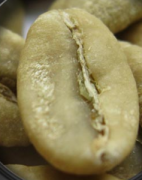
Image of Yirgacheffe coffee:

Notable Ethiopian Cup Profiles:
- Yirgacheffe (Yirgacheff): Citrus, lemon, berry, floral, light fruit, clean acidity
- Yirgacheffe Red Cherry (Yirgacheff Operation Cherry): Bright lemon acidity, medium body, juicy fruit and floral intensity
Kenya: Bold Berry and Wine-like Complexity
Kenyan coffee is famous for its big, juicy body and powerful acidity reminiscent of blackcurrant or tart berries. The SL28 and SL34 varietals, grown at high altitudes, are largely responsible for this signature profile. Most Kenyan coffees are processed using a double wash (or double fermentation) method, which enhances their clean, winey character and deep sweetness.
The classic Kenya AA grade often highlights flavours of tomato (especially in the famed 'Little Tomato' lot), blackcurrant, and umami-rich dark fruit. Acidity is sharp yet balanced, and the aftertaste lingers with notes of dark sugar or syrup. Some lots even lean into tropical or stone fruit territory, with a syrupy mouthfeel and heavy fruit density.
Image of Kenya coffee:
Notable Kenyan Cup Profiles:
- Kenya AA: Berry acidity, fruit sweetness, cocoa notes, medium-to-full body
- Kenya Little Tomato (frontstreet product): Classic sourness of cherry/tomato + umami depth
Tanzania: Balanced Stone Fruit and Cocoa
Tanzanian coffees, particularly those from the BB Estate near Mount Kilimanjaro, offer a well-rounded cup with bright acidity and rich sweetness. The Bourbon varietal grown here delivers a tangy profile reminiscent of blackcurrant or lime, paired with honey-like sweetness. Stone fruit flavours—such as peach, plum, and apricot—combine with cocoa and nutty undertones. The finish is smooth and lingering, with excellent overall balance and low bitterness.
This makes Tanzanian coffee an approachable yet layered option, often serving as a great everyday single origin for those who enjoy fruit-forward but not overly sharp profiles.
Notable Tanzanian Cup Profile:
- Tanzania AA (Makuru Estate, Bourbon): Blackcurrant/lime acidity, honey sweetness, peach/plum/cocoa aroma, long-lasting sweetness, excellent balance
Rwanda: Clean Fruit and Nutty Depth
Rwandan coffees are typically grown in high-altitude volcanic soils and benefit from stable rainfall and meticulous processing. Washed Rwandan Arabicas often express a clean cup with gentle acidity, showcasing notes of lemon, cherry, and red berries. Many lots also reveal underlying layers of almond, hazelnut, or other nutty characteristics, contributing to a rounded and approachable profile.
The country has gained a reputation for producing bright yet mellow coffees with good structure, making them popular among single-origin drinkers who prefer a lighter-bodied but flavourful cup.
Notable Rwandan Cup Profile:
- Rwanda Washed Arabica: Subtle lemon, cherry, blackcurrant, light berry tones
Burundi: Bold Body and Noticeable Bitterness
Burundi coffee, often referred to simply as Burundi AA, tends to have a heavier body and more pronounced bitterness compared to its neighbours. Despite this, the cup can be quite cohesive, with a thick mouthfeel and distinct flavour edge. The bitterness is not harsh but adds to the coffee’s lasting impression. Aromatic and flavour notes may vary, but the body is almost always notable.
Notable Burundi Cup Profile:
- Burundi AA: Strong body, distinct bitterness, well-structured cup
Frequently Asked Questions
What makes Ethiopian coffee different from other African coffees?
Ethiopian coffees are known for their complex aromatics, high acidity, and diverse flavour range—including citrus, floral, berry, and sometimes spicy or coconut notes. This is largely due to the Heirloom varietals and unique processing methods used across regions like Yirgacheffe and Sidamo.
Why do Kenyan coffees taste so fruity and acidic?
Kenyan coffees, especially those graded AA, are grown at high altitudes and often use SL28 and SL34 varietals. They’re processed with a double fermentation method that enhances their bright acidity and deep berry-like flavours, often accompanied by notes of tomato, blackcurrant, and winey tones.
What flavour notes are typical in Tanzanian coffee?
Tanzanian coffees, such as those from the BB Estate, commonly feature bright citrus or lime acidity, honey-like sweetness, and a mix of stone fruit (peach, plum), cocoa, and nutty undertones. They’re well-balanced with a smooth, lingering finish.
Are Rwandan coffees mild or flavourful?
Rwandan coffees are flavourful but typically present a cleaner, milder cup compared to Ethiopian or Kenyan origins. Expect notes of lemon, cherry, and berry, along with subtle nuttiness, often with a smooth and approachable acidity.
Is Burundi coffee bitter compared to other African origins?
Yes, Burundi AA coffee is often described as having a stronger body and more noticeable bitterness than other East African coffees. However, it maintains a structured and coherent cup profile with good depth.
Which African country produces the most vibrant citrus acidity?
Ethiopia and Kenya are most renowned for vibrant citrus acidity, with Ethiopian Yirgacheffe offering lemon and floral brightness, and Kenyan coffees showcasing sharp blackcurrant and tomato-like tang.
Recommended FrontStreet African Coffee Beans
For a true taste of Africa, try FrontStreet Coffee’s Kenya Little Tomato, known for its classic sourness reminiscent of cherry and tomato, paired with deep umami and fruit richness. Also explore their Rwanda Red Bourbon, which delivers bright berry acidity alongside nutty and chocolatey complexity. For a balanced Ethiopian-style cup, their Yirgacheffe offerings highlight citrus, floral, and stone fruit notes with exceptional clarity. Freshly roasted within 5 days · Orders placed before 17:00 ship the same day · Next-day delivery across most of Guangdong Province.
FrontStreet Coffee is a long-established specialty coffee roaster in Guangzhou China, selling freshly roasted beans from its own farm in Yunnan as well as dozens of carefully selected single-origin beans from around the world for both pour-over and espresso. The products deliver consistently excellent quality and great value, with shipping within 24 hours. Guangzhou's FrontStreet Coffee shop is recommended by many coffee lovers, and the beans are now available online at the Tmall 。
Important Notice :
前街咖啡 FrontStreet Coffee has moved to new addredd:
FrontStreet Coffee Address: 315,Donghua East Road,GuangZhou
Tel:020 38364473