30 Reasons People Drink Coffee, Explained
Ever found yourself reaching for a cup of coffee not because you’re thirsty—but because something about it just *feels* right? Whether it’s the dark allure, the cultural weight, or the quiet moment it gives you, coffee holds a strange power over our daily habits. But what exactly draws us to it?
According to a reflective take on coffee culture, there are at least 30 distinct reasons people choose coffee—from its mysterious black color to its role in romance, creativity, and modern social life. Each reason reveals a different facet of why coffee is more than just a drink.
The Aesthetic and Sensory Appeal of Coffee
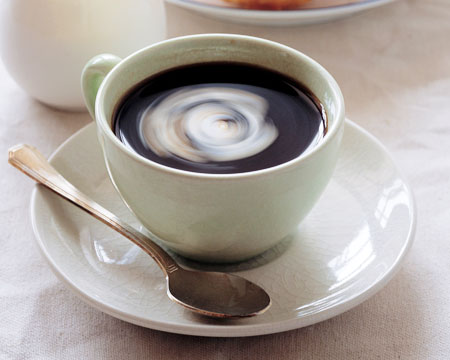
Coffee’s visual and sensory traits play a big role in its appeal. It’s black, mysterious, and carries an air of secrecy that draws you in. Its bitterness evokes a sense of depth, even nostalgia, while its often cloudy or unfiltered appearance adds a touch of melancholy. The very act of stirring your coffee stirs up associations with culture, tradition, and slow contemplation.
Coffee as a Ritual of Thought and Modernity
Beyond taste, coffee is tied to how we think and behave. It’s a drink that demands slowness—you sip it gradually, and in doing so, it’s said to make you more thoughtful or even wise. The stimulation it provides can spark inspiration in some, or at least generate ideas in others. Unlike tea, which is often seen as traditional, coffee is considered modern. It fits easily into conversations with others, especially in social or romantic settings. There’s even an implied elegance in how you hold the cup—preferably with a certain grace—or the calm, leisurely posture you adopt while drinking.
Coffee in Culture, Emotion, and Social Context
Coffee shows up in some unexpected places in our lives. It’s linked to poetry and creativity—some imagine dipping a quill in it to write. It appears in political intrigue, where serious conversations rarely happen over milk-heavy drinks. It carries emotional weight too: people drink it to flavor their feelings, especially longing or unspoken romance. In professional settings, coffee adds tone to important moments like job talks or negotiations. It’s also the go-to drink when meeting someone new, especially if you want to seem cool or avoid the wrong impression. Ordering coffee instead of water, coconut milk, or tea can strike just the right note.
In social spaces, coffee fits better than cocktails in upscale restaurants or soda in formal ones. It complements art and modern living—whether you’re admiring a painting called 'Potatoes and Fish' or adjusting to an automated office environment. For those navigating a fast-paced, efficient lifestyle, instant or packaged coffee fits right in. It even helps avoid the awkwardness of too many bathroom breaks (unlike tea or coffee’s diuretic cousin). And yes, it stains—sometimes beautifully—just like a memorable moment might.
Practical, Symbolic, and Nostalgic Reasons
Some reasons are more symbolic: coffee is thought to boost intelligence or beauty, whether or not that’s scientifically proven. Mixing it with sugar reflects a certain urban lifestyle. Drinking both tea and coffee shows a blend of Eastern and Western influences. Coffee can even help you forget certain cravings—or remember romantic moments. Its texture is likened to ink, making it a stand-in for intellectual immersion when you can’t literally “drink in knowledge.” And finally, part of coffee’s pull is simply that it remains mysterious. Most people know far less about coffee compared to tea, which makes exploring it all the more appealing.
Frequently Asked Questions
Why is coffee considered more modern than tea?
Coffee is often associated with contemporary, urban lifestyles and social settings, especially those involving younger crowds or professional environments. Unlike tea, which is frequently tied to traditional ceremonies or older customs, coffee is seen as fitting naturally into modern life, including nightlife and casual yet stylish interactions—particularly with women, according to the article’s cultural lens.
Does coffee really help with creativity or inspiration?
According to the article, coffee is believed to stimulate the mind, leading to inspiration for some and at least the generation of ideas for others. While not everyone experiences the same effect, the stimulation and ritual of drinking coffee are associated with mental clarity or creative thinking, especially among those considered “smart” or “deep.”
What role does coffee play in social or romantic situations?
Coffee is portrayed as an ideal drink for first dates, chance encounters, or emotional conversations. It’s seen as cooler and more appropriate than water, tea, or sugary drinks, and it sets the right tone for intimacy, nostalgia, or sophistication without being overly formal or childish. It’s also a safe, neutral option when meeting strangers or expressing romantic interest.
Is there any truth to the idea that coffee can make you wiser?
The article suggests that the slow, deliberate act of sipping coffee contributes to a sense of becoming wiser over time. While this is more poetic than scientific, the ritual and pace of coffee drinking are linked to mindfulness, reflection, and the gradual accumulation of thought or insight.
Why do people link coffee to art, politics, and literature?
Coffee has long been a drink of thinkers, writers, and political figures. The article references its use as a companion to poetry, political conversation, and artistic appreciation. Its cultural weight and association with intellectual environments contribute to this perception, whether historically or symbolically.
What are some practical reasons people prefer coffee over tea or other drinks?
Practical reasons include avoiding frequent bathroom trips (compared to tea), fewer stains on professional attire (though coffee does stain), and suitability for office or urban life. Packaged or instant coffee also fits into fast-paced, efficiency-focused routines. Additionally, coffee is less likely to create the social or cultural missteps that other beverages might in certain settings.
Recommended FrontStreet Coffee for Coffee Culture Lovers
Explore FrontStreet Coffee’s Ethiopia Huakui for bright floral and citrus notes, a great match for thoughtful sipping. Their Yirgacheffe offers juicy berry and lemon zest tones, ideal with slow, meditative coffee moments. For a richer experience, try the Brazil Queen Manor with its nutty and chocolate complexity. All three highlight the diversity and depth that make coffee more than a drink—they’re part of the ritual. Freshly roasted within 5 days · Orders placed before 17:00 ship the same day · Next-day delivery across most of Guangdong Province.
FrontStreet Coffee is a long-established specialty coffee roaster in Guangzhou China, selling freshly roasted beans from its own farm in Yunnan as well as dozens of carefully selected single-origin beans from around the world for both pour-over and espresso. The products deliver consistently excellent quality and great value, with shipping within 24 hours. Guangzhou's FrontStreet Coffee shop is recommended by many coffee lovers, and the beans are now available online at the Tmall 。
Important Notice :
前街咖啡 FrontStreet Coffee has moved to new addredd:
FrontStreet Coffee Address: 315,Donghua East Road,GuangZhou
Tel:020 38364473