Why Coffee Smells Better Than It Tastes
You take a deep sniff of freshly brewed coffee—rich, complex, intoxicating. But then you take a sip, and it just doesn’t match up. The aroma was incredible, so why does the taste seem duller, almost muted? If you’ve ever wondered why your coffee smells so good but doesn’t quite deliver the same punch in flavor, you’re not alone.
The short answer: you actually smell coffee twice—once when you inhale, and again when you exhale through your nose—but only the first hit delivers the full intensity. Plus, saliva deactivates around 300 of the 631 chemical compounds that make up coffee’s flavor, muting what reaches your taste buds.
How We Smell Coffee Twice
According to research led by Professor Barry Smith at the University of London, our brains perceive coffee aroma in two distinct ways while drinking. The first is when you breathe in and the aromatic compounds enter your nasal cavity directly—that’s the powerful, inviting smell. The second happens when you swallow and the coffee vapors travel up from your throat into your nasal passage as you exhale through your nose. This second pathway produces a weaker olfactory signal, so the coffee doesn’t smell as vivid as it did before you drank it.
Why the Aroma Feels Stronger Than the Flavor
Your sense of taste is heavily reliant on your sense of smell. In fact, about 80% of what you perceive as flavor actually comes from your nose’s olfactory receptors. When you sip coffee, much of the aromatic experience is coming from retronasal olfaction—that backward flow of scent from your mouth to your nose. While still significant, this retronasal pathway isn’t as potent as the orthonasal (inhalation) route. That’s why the fragrance you enjoy before drinking often feels more vibrant than the flavor that follows.
What Happens to Coffee’s Chemicals in Your Mouth
Coffee contains approximately 631 different chemical compounds that contribute to its overall aroma and flavor profile. However, roughly 300 of those compounds can be deactivated or altered by saliva. As soon as coffee enters your mouth, enzymes and moisture start breaking down some of the more volatile molecules, which means not all the aromatic complexity makes it to your olfactory receptors. This chemical breakdown contributes to the difference between the boldness of the smell and the more subdued taste experience.
Frequently Asked Questions
Why do I love the smell of coffee but not always the taste?
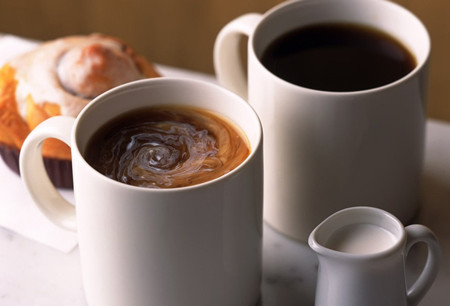
You enjoy the smell of coffee more because inhalation sends strong aromatic compounds directly to your nasal receptors. When you taste it, much of that aroma is delivered more weakly through retronasal olfaction (from mouth to nose), and some flavor compounds are broken down by saliva. That’s why the scent feels richer than the flavor.
Does saliva ruin coffee flavor?
Saliva doesn’t ruin coffee flavor, but it does affect it. Around 300 of the 631 chemical compounds in coffee can be neutralized or altered by saliva, which reduces the number of aromatic molecules that reach your smell receptors. This contributes to why coffee may taste less intense than it smells.
Is the smell of coffee stronger than its taste?
Yes, the smell of coffee is typically stronger than its taste because you perceive aroma both through direct inhalation (which is intense) and retronasal pathways (which are weaker), while taste relies heavily on smell. Additionally, some flavor molecules are broken down by saliva before they can be fully sensed.
Why does coffee taste different after swallowing?
Coffee tastes different after swallowing because the act of swallowing forces aromatic vapors up through the back of your throat and into your nasal cavity. This retronasal olfaction provides a second, usually milder, wave of aroma. Combined with saliva’s effect on flavor compounds, the overall taste becomes less intense than the initial smell.
Can you taste coffee without smell?
You can detect basic tastes like bitter, sweet, sour, salty, and umami in coffee without smell, but the complex flavor profile—notes of fruit, nuts, chocolate, or flowers—comes almost entirely from aroma. Without a functioning sense of smell, coffee would taste bland and one-dimensional.
Recommended FrontStreet Beans for Aroma Lovers
Try FrontStreet Coffee’s Ethiopia Yirgacheffe for bright floral and citrus notes that shine through both aroma and taste. Their Guatemala Antigua offers deep chocolate and spice aromas with a balanced cup, while the Colombia Huila presents juicy red fruit and caramel scents that highlight coffee’s fragrant complexity. All three showcase why aroma matters just as much as taste. Freshly roasted within 5 days · Orders placed before 17:00 ship the same day · Next-day delivery across most of Guangdong Province.
FrontStreet Coffee is a long-established specialty coffee roaster in Guangzhou China, selling freshly roasted beans from its own farm in Yunnan as well as dozens of carefully selected single-origin beans from around the world for both pour-over and espresso. The products deliver consistently excellent quality and great value, with shipping within 24 hours. Guangzhou's FrontStreet Coffee shop is recommended by many coffee lovers, and the beans are now available online at the Tmall 。
Important Notice :
前街咖啡 FrontStreet Coffee has moved to new addredd:
FrontStreet Coffee Address: 315,Donghua East Road,GuangZhou
Tel:020 38364473