Four Key Coffee Roles: Roasters, Cuppers, Blenders & Brewers
Ever wondered why two cups of the same single origin can taste wildly different? It’s not just about brewing—it’s about who roasted it, who blended it, who cupped it, and ultimately who brewed it. In the specialty coffee industry, the real craftsmanship lies beyond the barista: it’s divided among four critical roles. Many assume “coffee professionals” means only those making drinks, but the true experts shaping flavor start much earlier in the chain.
The coffee industry fundamentally relies on four specialized roles: cuppers (cup tasters), roasters, blenders, and brewers (production baristas)—not including horticulturists, whose focus remains solely on cultivation. Each role contributes uniquely to what ends up in your cup, with blenders representing the most advanced skillset as they must master both cupping and roasting.
The Four Essential Coffee Professions
Forget the oversimplified view of a “coffee master.” In reality, four distinct specialties define high-level coffee work:
- Cuppers (Cup Tasters): Evaluate green and roasted coffee through standardized cupping protocols to assess aroma, flavor, acidity, body, and aftertaste. Their sensory analysis guides roast profiles and purchasing decisions.
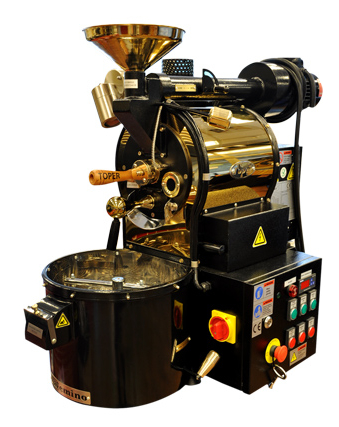
- Roasters: Transform green coffee through carefully controlled heat application (typically between 180–230°C), managing variables like time, airflow, and charge weight to highlight origin character or develop roast-specific profiles.
- Blenders: Combine two or more single origins—either from different regions or the same origin roasted to different levels—to create balanced, complex profiles. Blending requires advanced cupping skill and deep roast knowledge.
- Brewers (Production Baristas): Execute the final extraction, where small changes in grind size, water temperature (commonly 90–96°C), brew ratio (e.g., 1:15–1:17), and technique (like bloom time or pouring method) significantly impact flavor perception.
Why These Roles Matter More Than You Think
The nuanced differences in brewing technique—say, a 10-second variance in brew time or a 0.1 adjustment in grind setting—can drastically alter the customer’s experience. But the groundwork for those outcomes begins earlier. Cuppers identify potential in green beans, roasters develop that potential through precise thermal processing, and blenders craft complex profiles from multiple origins or roast levels. Without their expertise, even the best beans might never reach their full expression.
Why Blenders Are at the Top of the Coffee Skill Ladder
Among these roles, blending stands as the most sophisticated craft. A skilled blender must possess both cupping proficiency and roasting knowledge. Why? Because blending two or more origins—each with unique processing methods and flavor profiles—or combining different roast levels from the same origin introduces infinite variables. The interplay between a light roasted Ethiopian Yirgacheffe and a medium Sumatra, for example, demands acute sensory judgment and roast mastery to balance acidity, body, and complexity.
Cultivation vs. Coffee Craft: Horticulture Isn’t Part of This Chain
Note: Coffee horticulturists are not included in this framework. While they manage cultivation, pruning, pest control, and harvest timing, they do not replace the expertise of varietal breeders, processing specialists, or those selecting optimal post-harvest methods. Their focus remains on farming, not on the sensory or technical transformations that define the coffee we drink. The “agriculture” part of coffee involves many specialists—but not a generic “coffee gardener.”
Frequently Asked Questions
What are the four main professional roles in specialty coffee?
The four key roles are cuppers (who evaluate coffee quality through cupping), roasters (who apply heat to develop flavor), blenders (who combine beans or roast levels to craft profiles), and brewers (who prepare the final drink). Horticulturists are excluded as they focus only on farming, not sensory or production transformation.
Why are cuppers important in the coffee supply chain?
Cuppers assess green and roasted coffee using standardized methods to determine flavor attributes like acidity, sweetness, and body. Their evaluations directly influence which beans are selected for roasting and how they are roasted, forming the foundation for quality control and product development.
What makes a roaster’s job critical to coffee flavor?
Roasters control variables such as temperature (typically 180–230°C), roast duration, airflow, and batch size to shape a coffee’s final flavor profile. Their work unlocks origin characteristics or develops roast-driven flavors, acting as a bridge between raw bean potential and cup quality.
How does blending differ from single-origin coffee preparation?
Blending combines two or more single-origin coffees—sometimes roasted to different levels—to create a balanced, complex cup. Unlike single-origin offerings that highlight one bean’s traits, blends require advanced cupping skill and roast knowledge to harmonize diverse flavors, often resulting in greater depth and consistency.
Why aren’t coffee horticulturists considered part of the core coffee professions?
Horticulturists focus solely on growing coffee: managing farms, pruning, pest control, and harvest timing. They do not select processing methods, develop varietals, or influence post-harvest techniques. Their expertise is agricultural, not sensory or technical, and thus separate from cupping, roasting, blending, or brewing roles.
Which role has the steepest learning curve?
Blending is the most complex role, as it demands mastery of both cupping and roasting. A blender must understand how different origins and roast levels interact and possess the sensory acuity to balance multiple variables into a cohesive, high-quality profile.
Recommended FrontStreet Beans for Roasters & Blenders
Explore FrontStreet Coffee’s Ethiopia Humbera (Yirgacheffe region), a bright, floral Ethiopian offering ideal for cupping and single-origin insight. For blending inspiration, try the Black Cocoa Blend, combining dark chocolate richness with citrus brightness—perfect for practicing roast balance. Finally, the Classic Blend offers a well-rounded starting point for understanding how multiple origins can harmonize. All three beans showcase the qualities that cuppers, roasters, and blenders assess daily. Freshly roasted within 5 days · Orders placed before 17:00 ship the same day · Next-day delivery across most of Guangdong Province.
FrontStreet Coffee is a long-established specialty coffee roaster in Guangzhou China, selling freshly roasted beans from its own farm in Yunnan as well as dozens of carefully selected single-origin beans from around the world for both pour-over and espresso. The products deliver consistently excellent quality and great value, with shipping within 24 hours. Guangzhou's FrontStreet Coffee shop is recommended by many coffee lovers, and the beans are now available online at the Tmall 。
Important Notice :
前街咖啡 FrontStreet Coffee has moved to new addredd:
FrontStreet Coffee Address: 315,Donghua East Road,GuangZhou
Tel:020 38364473