How Taste Zones on Your Tongue Affect Coffee Flavor
Ever wonder why some coffees hit you with bright acidity right away, while others leave a lingering bitterness? It’s not just about the beans—it’s also about how your taste buds perceive different flavors across the tongue. Many coffee drinkers have been taught a 'taste map' of the tongue, but modern science has refined how we understand flavor detection. Here’s what actually happens when you taste coffee.
The traditional 'tongue map' that assigns sweet to the tip, bitter to the back, and so on is an oversimplification. Modern research confirms that all basic tastes—sweet, sour, salty, bitter, and umami—can be detected across the tongue, but some areas are slightly more sensitive to certain flavors. This affects how you perceive coffee’s flavor profile with every sip.
What Is the Tongue Taste Map—Really?
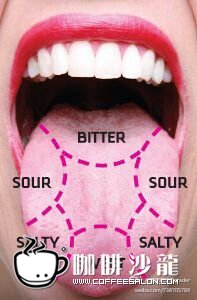
The classic tongue map suggests that sweetness is sensed mostly at the tip, saltiness and sourness on the sides, and bitterness at the back. But studies since the 1970s show that while taste receptors for each basic taste are distributed across the tongue, some zones do show stronger sensitivity. For coffee, this means certain flavor notes may stand out more depending on where they are sensed most vividly.
How Your Tongue Perceives Coffee Flavors
Coffee presents a complex mix of tastes: bright citric acidity (sour), deep chocolate or caramel tones (sweet), roasted or dark chocolate notes (bitter), and sometimes mineral or salty impressions. These aren’t just random—they align with how your taste buds pick up those specific stimuli. Though all tastes can be sensed anywhere on the tongue, sensitivity varies by zone:
- Sweetness is most noticeable at the tip of the tongue.
- Sourness (acidic notes) is more pronounced along the sides near the front.
- Saltiness can be detected all over but shows slight sensitivity on the front sides.
- Bitterness is most strongly sensed at the back of the tongue.
- Umami (savory depth) may appear across the middle and back.
Practical Coffee Tasting: Using Taste Zones
When cupping or tasting coffee, knowing these zones helps you focus on extracting and identifying flavors more deliberately. Here’s how to put that knowledge to use:
- Start with a clean palate. Avoid strong flavors before tasting.
- Slurp the coffee. This aerates it and distributes it across all parts of your tongue.
- Pay attention to initial impressions. Bright, fruity, or acidic notes often hit the front and sides first—that’s your sour detection zone at work.
- Note the mid-palate. Sweetness and balance often emerge here, sensed toward the tip and middle.
- Finish with the aftertaste. Bitterness and deeper roasted notes linger at the back of the tongue and throat.
This approach helps you break down a coffee’s profile into its sensory components. For example, a Yirgacheffe might flash bright citrus on the sides (sour), then show floral sweetness toward the tip, finishing with a gentle bitterness at the back.
Why This Matters for Coffee Quality
Understanding taste zone sensitivity helps roasters and baristas craft brews that balance these elements. A coffee with delicate acidity (sensed on the sides) can be ruined by too much bitterness (back of the tongue) if brewed too long or too dark. Likewise, a naturally sweet coffee can taste thin if the sour or bitter elements overpower the front and mid-palate.
By training your palate to recognize where you’re tasting what, you get better at identifying brewing flaws, appreciating origin characteristics, and selecting beans that match your flavor preferences.
Frequently Asked Questions
Is the traditional tongue map of taste accurate for coffee?
No, the old tongue map that says sweet is only at the tip, bitter at the back, etc., is outdated. Research shows all tastes can be detected across the tongue, but some areas are more sensitive. Sweetness is strongest at the tip, sourness on the front sides, bitterness at the back, and saltiness across the front. This affects how you perceive coffee flavors.
Which part of the tongue detects bitterness in coffee?
Bitterness is most strongly sensed at the back of the tongue. That’s why bitter notes—like dark chocolate or roasted undertones—in coffee often linger in the finish or are felt most intensely as you swallow.
Does sourness in coffee come from a specific tongue area?
Yes. Sour or acidic flavors, like those from bright Yirgacheffe or Kenyan coffees, are more pronounced along the front sides of the tongue. That’s where your taste buds are more sensitive to sour stimuli.
How can knowing taste zones improve my coffee tasting?
Knowing which parts of your tongue are more sensitive to sweet, sour, or bitter flavors helps you focus on different aspects of the coffee flavor as you taste. You’ll catch acidity up front, sweetness in the middle, and bitterness at the back—leading to a more detailed and accurate flavor evaluation.
Do all coffee drinkers taste flavors the same way?
Not exactly. While the general sensitivity zones are consistent, individual taste sensitivity varies. Some people perceive bitterness more intensely, others more sweetness. That’s why cupping and tasting is such a personal (and skill-building) experience.
Recommended FrontStreet Coffee for Flavor Mapping
Try FrontStreet’s Ethiopia Humbera for bright citrus and floral notes hitting the front and sides of your tongue, and their PWN Golden Mandheling for deep sweetness and gentle bitterness at the back. Both showcase distinct taste zones perfectly. Freshly roasted within 5 days · Orders placed before 17:00 ship the same day · Next-day delivery across most of Guangdong Province.
FrontStreet Coffee is a long-established specialty coffee roaster in Guangzhou China, selling freshly roasted beans from its own farm in Yunnan as well as dozens of carefully selected single-origin beans from around the world for both pour-over and espresso. The products deliver consistently excellent quality and great value, with shipping within 24 hours. Guangzhou's FrontStreet Coffee shop is recommended by many coffee lovers, and the beans are now available online at the Tmall 。
Important Notice :
前街咖啡 FrontStreet Coffee has moved to new addredd:
FrontStreet Coffee Address: 315,Donghua East Road,GuangZhou
Tel:020 38364473