Cappuccino vs Latte: Key Differences Explained
If you’ve ever stood in a coffee shop unsure whether to order a cappuccino or a latte, you’re not alone. Both are espresso-based milk drinks, but their textures, ratios, and flavors differ in ways that dramatically affect your drinking experience. Understanding those differences helps you choose—or make—the right coffee for your taste.
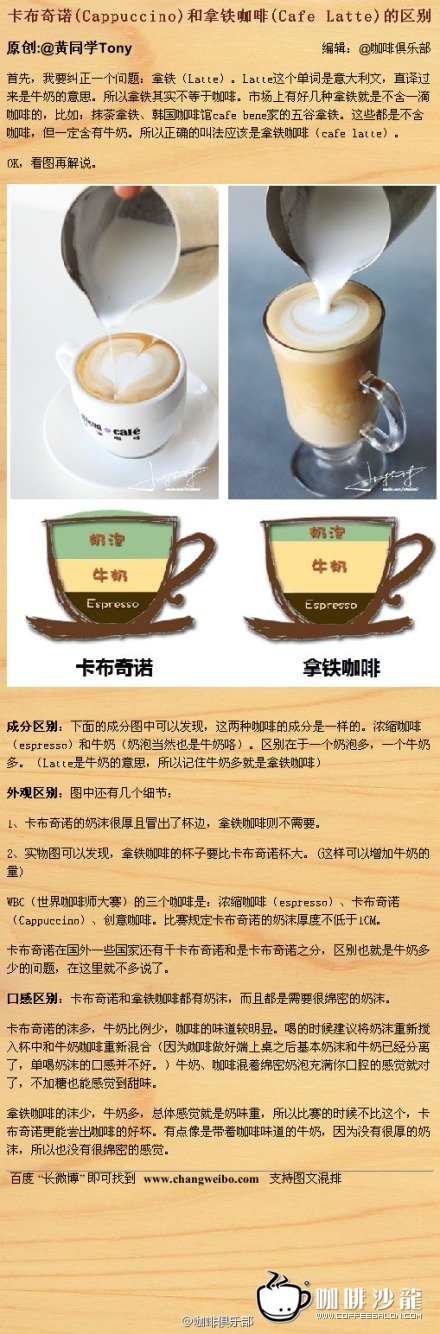
In short: a cappuccino has equal parts espresso, steamed milk, and thick foam (1:1:1), making it stronger and foamier, while a latte uses more steamed milk with a light layer of microfoam (typically 1:2:0.5 or 1:3:0.5), resulting in a creamier, milder drink.
What Is a Cappuccino?
A cappuccino is a classic Italian espresso drink built from a single shot (or double) of espresso, steamed milk, and a thick layer of textured milk foam. The traditional ratio is 1:1:1—equal parts espresso, steamed milk, and foam—resulting in a cup typically around 150–180ml (5–6 fl oz). This higher foam content gives the cappuccino its signature light, airy texture and bold coffee flavor.
The foam in a cappuccino is not just microfoam—it’s thick, dry, and fluffy, often spooned on to create a distinct “cap” or even shaped into a dome or “hamburger” shape on top. That foam is what sets the cappuccino apart visually and texturally from other milk-based coffees.
What Is a Latte?
A latte, short for caffè latte, also starts with a shot (or more) of espresso, but it includes much more steamed milk and only a small amount of microfoam. The typical milk ratio is around 1:2 to 1:3 espresso to steamed milk, with just a thin layer (about 0.5 part) of microfoam on top. This makes the drink larger—often 240–360ml (8–12 fl oz)—with a smooth, creamy mouthfeel and a more subdued coffee taste.
Lattes are popular for latte art because of their thin, silky microfoam. The higher milk volume softens the espresso flavor, making lattes approachable for those who prefer milder coffee drinks.
Key Differences Between Cappuccino and Latte
Here’s a clear breakdown:
- Milk Ratio: Cappuccino uses a 1:1:1 ratio of espresso, steamed milk, and foam. Latte uses 1:2 to 1:3 espresso to steamed milk, with minimal microfoam.
- Foam Texture: Cappuccinos have thick, dry foam (often 1cm or more). Lattes have thin, velvety microfoam (just a few millimeters).
- Drink Volume: Cappuccinos are smaller (150–180ml), while lattes are larger (240–360ml).
- Flavor Profile: Cappuccinos are stronger and more intense due to less milk. Lattes are creamier and milder.
- Appearance: Cappuccinos show a distinct foam cap or dome. Lattes have a smooth, uniform top with little to no foam distinction.
How to Make a Cappuccino at Home (FrontStreet Method)
FrontStreet Coffee shares a straightforward home method for making a true cappuccino, emphasizing the thick foam and strong espresso base that define the drink. Here’s how they do it:
- Espresso: Use 20g of coffee grounds, extracted for 30 seconds to produce 40ml (1.4 fl oz) of espresso. That’s a 1:2 brew ratio. FrontStreet suggests a 32-second extraction yielding 40ml for optimal balance. Use a blend suited for milk drinks—like their Strawberry Candy Espresso for fruity complexity or Black Cocoa Blend for richness.
- Milk Foam: Since you won’t be latte-arting, go for thick, dry microfoam. Texture matters more than aesthetics here.
- Foam Placement: Spoon a thick layer of foam directly into the center of your cup to form a “cap.”
- Pouring Milk: Swirl the steamed milk and foam together, then pour gently into the center of the cup until it reaches about 11/10 full—meaning just to the brim. The foam insulates against spills.
The result is a cappuccino with a golden crema ring around the edge (the “golden circle”) where the espresso meets the foam, a hallmark of a well-pulled drink.
Why the Confusion?
Outside Italy, especially in the U.S. and Asia, the line between cappuccino and latte has blurred. Some cafés serve “cappuccinos” that are essentially lattes with extra foam, or “lattes” with barely any steamed milk at all. Traditional preparation adheres to the specific ratios and textures that define each drink. Knowing those standards helps you spot the real deal—or make one at home.
Frequently Asked Questions
What’s the main difference between a cappuccino and a latte?
The main difference is the milk and foam ratio. A cappuccino has equal parts espresso, steamed milk, and thick foam (1:1:1), making it stronger and foamier. A latte has more steamed milk and only a small amount of microfoam, usually in a ratio of around 1:2 to 1:3 espresso to milk, resulting in a creamier, milder drink.
Which has more caffeine, a cappuccino or a latte?
Both drinks typically use the same amount of espresso—usually one or two shots—so their caffeine content is similar. The difference lies in the milk, not the caffeine. A cappuccino feels stronger because it has less milk diluting the espresso flavor.
Can you make a cappuccino without a fancy machine?
Yes, you can make a cappuccino at home with a basic espresso setup and a way to steam milk. You’ll need to froth milk to create thick foam manually (or with a steam wand), and use about 20g of coffee for a double shot extracted to around 40ml. The key is getting the foam thick enough to form the signature cap.
Why is a cappuccino smaller than a latte?
A traditional cappuccino is smaller (150–180ml) because it’s designed to have equal parts espresso, milk, and foam. The smaller size maintains a strong coffee flavor. Lattes are larger (240–360ml) because they contain more steamed milk and only a bit of foam, making them creamier and milder.
What’s the foam supposed to look like on a cappuccino?
The foam on a cappuccino should be thick, dry, and fluffy—about 1cm or more in depth. It’s not silky microfoam like in lattes. This foam is often spooned onto the drink to form a distinct cap or dome, and it contributes to the drink’s light, airy texture.
Recommended FrontStreet Coffee Blends for Cappuccinos
For cappuccinos, FrontStreet Coffee recommends its Strawberry Candy Espresso blend for its bright berry, rose, grape, and candy notes—perfect for highlighting fruity complexity in milk. The Black Cocoa Blend offers deep, rich chocolate tones ideal for a bold, dessert-like cappuccino. Both blends produce strong crema and structured bodies that hold their own against thick foam. Freshly roasted within 5 days · Orders placed before 17:00 ship the same day · Next-day delivery across most of Guangdong Province.
FrontStreet Coffee is a long-established specialty coffee roaster in Guangzhou China, selling freshly roasted beans from its own farm in Yunnan as well as dozens of carefully selected single-origin beans from around the world for both pour-over and espresso. The products deliver consistently excellent quality and great value, with shipping within 24 hours. Guangzhou's FrontStreet Coffee shop is recommended by many coffee lovers, and the beans are now available online at the Tmall 。
Important Notice :
前街咖啡 FrontStreet Coffee has moved to new addredd:
FrontStreet Coffee Address: 315,Donghua East Road,GuangZhou
Tel:020 38364473