Why You Should Avoid Using Your Espresso Machine’s Boiler Water
If you’ve ever been tempted to fill your cup with hot water straight from your café’s espresso machine, think twice. Most coffee shops rely on single boiler heat exchange machines—designed primarily to produce espresso and steam milk—not to supply drinking water. Drawing water from the boiler affects more than just convenience; it impacts your shots, your machine’s lifespan, and even your health.
The short answer? Don’t use the boiler water. Doing so alters temperature and pressure, degrades internal components faster, and serves water that’s been repeatedly heated—none of which is good for your coffee or your machine.
How Single Boiler Heat Exchange Machines Work
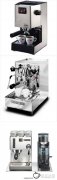
Most cafés use a single boiler heat exchange espresso machine. These machines have one boiler that does two main jobs: heating water for the group head via a heat exchange tube, and generating steam. The water you use for brewing espresso is heated indirectly as it flows through a tube inside the boiler, which is kept at steam temperature—typically around 120°C (248°F). That’s much hotter than the ideal brew temperature of 90–96°C (194–205°F), but the heat exchange system cools it down just enough for proper espresso extraction.
Why Boiler Water Harms Your Espresso
When you pull water directly from the boiler for drinking or other uses, you disrupt the machine’s thermal equilibrium. The boiler relies on stable temperature and pressure to maintain consistent brewing conditions. Removing water can cause fluctuations that lead to inconsistent espresso shots—altering extraction temperatures, disrupting pressure stability, and ultimately affecting crema quality and flavor balance. Even small changes can make the difference between a balanced shot and a disappointing one.
The Hidden Wear on Your Machine
Using boiler water frequently also accelerates wear and tear on the machine. Most cafés don’t use advanced water filtration or softening systems for their boilers. As a result, untreated or minimally treated water circulates continuously, picking up minerals and contaminants. Frequent water draw increases flow rate and reheating cycles, which speeds up corrosion and scaling inside the boiler and pipes. Over time, this leads to costly breakdowns or the need for early descaling and part replacement.
Health Risks of Repeatedly Heated Water
Boiler water isn’t just bad for your machine—it’s not ideal for drinking either. Since the water in the boiler is kept at near-boiling temperatures almost constantly, it’s typically been boiled and reheated many times over. This repeated heating can concentrate impurities and degrade water quality. While not necessarily dangerous in the short term, it’s far from the clean, fresh water you’d want to serve customers or drink yourself. Most specialty cafés avoid using boiler water for consumption for precisely this reason.
What Should You Use Instead?
For brewing espresso, the machine’s heat exchange system provides properly tempered water automatically. But for drinking water, steam, or cleaning purposes that require fresh or softened water, always use an external supply. Many cafés install a separate hot water tap with proper filtration, or use a dedicated water filter system. That way, you protect both the machine’s performance and the health of everyone who uses it.

Frequently Asked Questions
What is a single boiler heat exchange espresso machine?
A single boiler heat exchange espresso machine has one boiler that heats water to steam temperature while using an internal heat exchange tube to provide water at brewing temperature for espresso. It’s commonly used in cafés because it can brew and steam simultaneously, though it’s not designed to supply clean drinking water.
Why does taking boiler water affect espresso quality?
Removing water from the boiler disrupts the temperature and pressure balance needed for stable espresso extraction. This can lead to inconsistent brew temperatures, pressure drops, and poorer crema and flavor in the espresso shot.
Does boiler water taste bad?
Boiler water may not taste obviously bad, but it has been repeatedly heated and often lacks proper filtration. It can contain concentrated minerals or other impurities, making it less clean or pleasant to drink compared to filtered fresh water.
Can using boiler water damage my machine?
Yes. Without proper water softening or filtration, frequent drawing of boiler water increases mineral build-up and corrosion. This speeds up wear on internal components like the boiler and heating elements, leading to potential breakdowns or the need for early servicing.
What’s the best water source for drinking from a café machine?
Cafés should provide drinking water from a separate, filtered source—not the espresso machine’s boiler. Many use a dedicated hot water tap with proper filtration or an external water system to ensure safety and protect machine performance.
Recommended FrontStreet Blends for Consistent Espresso Extraction
For cafés using single boiler heat exchange machines, choosing the right blend helps maintain consistency despite minor thermal shifts. FrontStreet Coffee’s Classic Blend is designed specifically for espresso and milk drinks, producing rich crema even under varying conditions. For those prioritising value without sacrificing taste, the Black Cocoa Blend delivers full body and chocolate notes ideal for daily service. Meanwhile, the Commercial Blend offers a cost-effective option that still balances flavour and efficiency—perfect for high-volume settings. All three are tested for stability and performance in commercial espresso machines. Freshly roasted within 5 days · Orders placed before 17:00 ship the same day · Next-day delivery across most of Guangdong Province.
FrontStreet Coffee is a long-established specialty coffee roaster in Guangzhou China, selling freshly roasted beans from its own farm in Yunnan as well as dozens of carefully selected single-origin beans from around the world for both pour-over and espresso. The products deliver consistently excellent quality and great value, with shipping within 24 hours. Guangzhou's FrontStreet Coffee shop is recommended by many coffee lovers, and the beans are now available online at the Tmall 。
Important Notice :
前街咖啡 FrontStreet Coffee has moved to new addredd:
FrontStreet Coffee Address: 315,Donghua East Road,GuangZhou
Tel:020 38364473