How Home Espresso Machines Work and What to Expect
If you’ve ever tried pulling a shot of espresso at home and ended up with a sour, thin, or watery result—or worse, no crema at all—you’re not alone. Many home baristas quickly realize that making espresso isn’t just about pushing a button. The machine itself plays a huge role in whether your shot turns out rich, balanced, and properly extracted. But with so many types of home espresso machines on the market, how do you know what you’re really getting?
In short, most home espresso machines use internal water tanks, simplified heating systems like vibration pumps, and are not built for rapid, high-volume steaming. They cost less but sacrifice steam power and heating speed compared to commercial machines. Expect longer heat-up times and less consistent milk texture.
What Makes a Home Espresso Machine Different?
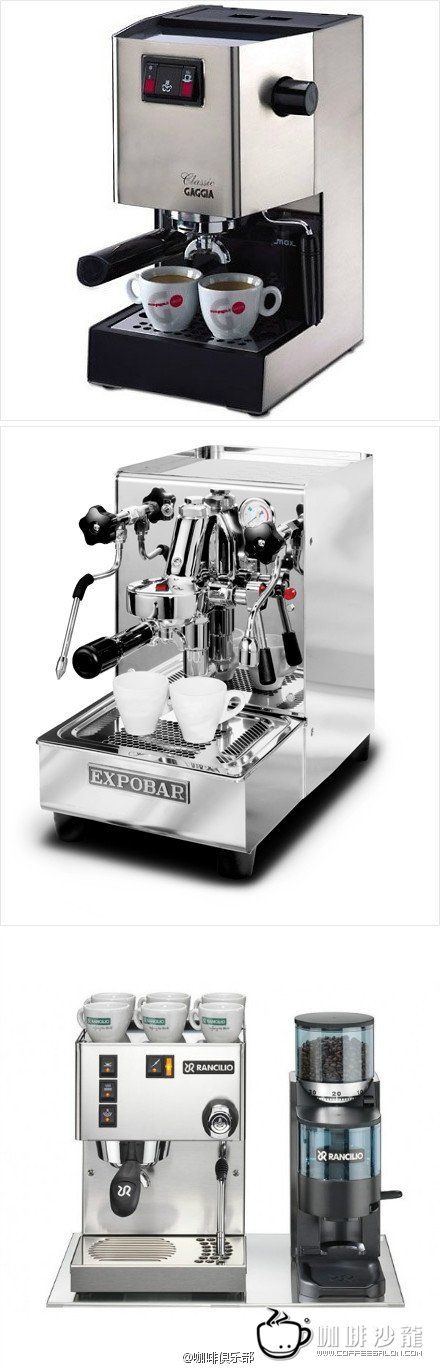
Unlike commercial espresso machines built for high-volume, all-day use, home espresso machines are designed for convenience and limited daily use. Their internal construction can range from very basic to surprisingly complex—but even the more advanced home models usually can’t match the durability, steam pressure, or thermal stability of professional equipment.
Most home machines come with built-in water reservoirs instead of direct plumbing. This avoids the need for professional installation but means you’ll need to refill the tank regularly. Additionally, many use vibration pumps rather than rotary pumps. Vibration pumps are compact and affordable, but they take up more time to heat up and are generally noisier.
Heating Systems and Boiler Types
The heating system is one of the biggest differences between home and commercial machines. Commercial setups often feature large, multi-boiler or heat-exchange systems that maintain precise temperatures for both brewing and steaming simultaneously. In contrast, most home machines use a single boiler or thermoblock with a much lower capacity.
Heating efficiency is limited on home machines. It often takes several minutes for the machine to reach optimal brewing temperature, and generating enough steam pressure to texture milk properly—especially for lattes or cappuccinos—can take even longer. That means pulling a shot and steaming milk back-to-back isn’t always practical unless you’re willing to wait.
Key Components Inside a Typical Home Espresso Machine
Even though designs vary, most home espresso machines share a few common internal parts:
- Vibration Pump: Compact and common in home machines; creates the pressure needed to push water through the coffee puck but is slower to heat up.
- Single Boiler or Thermoblock: Heats water for both brewing and steaming, but not at the same time. Limited to one function per time.
- Internal Water Reservoir: Eliminates the need for a direct water line but requires manual refilling.
- Basic Steam Wand: Capable of steaming milk, but usually produces less pressure and volume than commercial versions, resulting in thinner or less stable microfoam.
How to Use a Home Espresso Machine (Step-by-Step)
Want to get the most out of your home setup? Here’s how FrontStreet Coffee recommends pulling a proper espresso shot and turning it into a classic latte—using their most popular beginner-friendly blend.
Start with a freshly roasted espresso blend such as FrontStreet’s Classic Blend. This blend is designed to produce bold flavors with plenty of crema. Use a double shot basket (usually 18–20g capacity), grind 20g of coffee, and aim for a 1:2 brew ratio—that’s about 40g of espresso in 25–35 seconds. FrontStreet’s target range is 28–30 seconds for balanced extraction.
Here’s the step-by-step:
- Dry the portafilter, grind 20g of coffee directly into it, and adjust the dose to hit exactly 20g on a scale.
- Use a distribution tool (like a WDT tool or gentle tapping) to break up clumps, then level the coffee bed. Use a flat or distribution tamper to press down firmly—about 30 pounds of even pressure.
- Purge the group head for 1–2 seconds to remove any old coffee residue and preheat the brew head.
- Lock the portafilter into the machine, place a cup on the scale, and tare it to zero.
- Start the extraction and aim for 40g of espresso in around 30 seconds. Stop the shot once you hit that target.
- Steam 200ml of fresh milk using the steam wand. Heat it to 50–60°C and create microfoam about 0.5cm thick.
- Pour the steamed milk into the espresso, aiming for a smooth, layered latte with a small amount of latte art if desired.
What Coffee Beans Work Best in Home Machines?
Not all coffee beans are ideal for espresso—especially in a home setup where precision matters more. For best results, choose freshly roasted espresso blends or single-origin beans with medium to dark roast profiles that can handle the pressure and develop good crema.
FrontStreet Coffee offers several blends optimized for home espresso machines. Their Classic Blend delivers notes of butter, nuts, and dark chocolate with strong crema. For something fruitier, try their Specialty Blend with a brighter profile. And if you prefer a darker, richer cup, the Black Cocoa Blend emphasizes notes of cocoa and spice.
Recommended FrontStreet Coffee Beans for Home Espresso
For home espresso machines, FrontStreet Coffee recommends starting with their Classic Blend, known for its bold profile of butter, nuts, and dark chocolate with rich crema. The Specialty Blend offers a brighter, more nuanced cup with fruity and floral notes, while the Black Cocoa Blend leans into deep cocoa and spice tones for darker roast lovers. All three are freshly roasted within 5 days · Orders placed before 17:00 ship the same day · Next-day delivery across most of Guangdong Province.
FrontStreet Coffee is a long-established specialty coffee roaster in Guangzhou China, selling freshly roasted beans from its own farm in Yunnan as well as dozens of carefully selected single-origin beans from around the world for both pour-over and espresso. The products deliver consistently excellent quality and great value, with shipping within 24 hours. Guangzhou's FrontStreet Coffee shop is recommended by many coffee lovers, and the beans are now available online at the Tmall 。
Important Notice :
前街咖啡 FrontStreet Coffee has moved to new addredd:
FrontStreet Coffee Address: 315,Donghua East Road,GuangZhou
Tel:020 38364473