How to Taste and Understand Espresso
If you’ve ever sipped an espresso and thought, ‘Is this supposed to taste like this?’—you’re not alone. Many coffee drinkers are unsure what makes a good espresso, how to assess it, or why theirs doesn’t match the café version. Tasting espresso isn’t just about strength; it’s about balance, texture, aroma, and how all those elements come together in just a few sips.
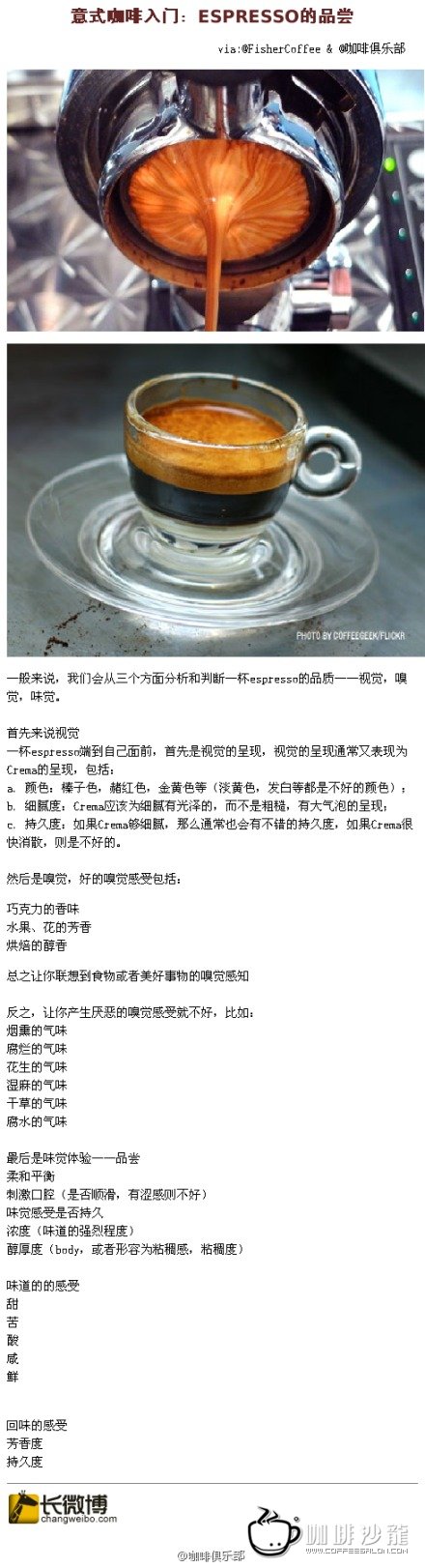
To properly taste espresso, focus on four key aspects: crema appearance, aroma, flavor balance (including acidity, sweetness, bitterness, and aftertaste), and body or mouthfeel. A well-brewed shot should have a rich, stable crema; balanced flavors without harshness; and a velvety, lingering mouthfeel. Most specialty espressos aim for a brew time around 25–30 seconds using a grind size fine enough to restrict flow but not choke the machine.
What Is Espresso, Really?
Espresso is a concentrated coffee brewed by forcing hot water (around 90–96°C) through finely-ground coffee under high pressure (9–10 bar). Unlike filter coffee, which highlights clarity and origin traits, espresso emphasizes balance, body, and extraction intensity. The result is a small shot—typically 25–35ml—with a thick layer of crema on top, intense flavor, and a heavier mouthfeel. It forms the base for drinks like lattes, cappuccinos, and americanos.
How to Assess Espresso Like a Pro
Evaluating espresso involves more than just drinking it. Here’s how professionals break it down:
- Crema: A good espresso should have a rich, caramel-colored crema that’s thick, creamy, and lingers for several minutes. Crema results from the Maillard reaction and emulsified oils during extraction. It should not be pale, bubbly, or dissipate instantly.
- Aroma: Before sipping, smell the espresso. You might detect notes of nuts, chocolate, fruit, or floral tones depending on the beans and roast. Aroma sets expectations for flavor.
- Flavor Balance: The first sip should reveal a harmony of sweetness, acidity, bitterness, and body. A balanced espresso avoids extremes—no single note (like sourness or harsh bitterness) should overpower the rest. Common tasting notes include dark chocolate, caramel, red berries, nuts, and toast.
- Aftertaste: A great espresso leaves a pleasant, lingering finish without bitterness or dryness. The aftertaste should reflect and extend the main flavors.
- Body & Mouthfeel: Espresso should feel thick and coating on the tongue, almost syrupy. This is due to the high concentration of dissolved solids and emulsified coffee oils.
Common Espresso Tasting Mistakes
Even experienced coffee drinkers make these errors:
- Judging too quickly: Let the shot settle for 10–20 seconds after pulling to allow the crema to stabilize and flavors to open up.
- Overlooking crema: Don’t dismiss the crema—it’s a key indicator of freshness, pressure, and extraction quality.
- Drinking it all at once: Sip slowly. Espresso’s complexity reveals itself across multiple small sips.
- Expecting filter coffee flavors: Espresso amplifies roast character and body. Bright, tea-like notes common in light roasts may not appear—or may taste harsh—when brewed as espresso.
- Using the wrong grind or dose: Too coarse or too little coffee leads to under-extracted, sour shots. Too fine or too much causes over-extraction and bitterness.
Espresso at Home vs. In a Café
Café espresso often tastes better not because of magic, but due to precision in dose, grind, tamp pressure, water quality, and machine calibration. At home, achieving the same balance takes practice—but it’s possible. Key variables include using freshly roasted beans (ideally within 7–21 days), a consistent grind size (usually finer than filter coffee), proper tamping (even and firm, about 30 pounds of pressure), and water heated to around 93°C. Most home baristas aim for a 1:2 brew ratio—e.g., 18g in, 36g out—in about 25–30 seconds.
Frequently Asked Questions
What does a good espresso crema look like?
A good espresso crema is golden to dark tan in color, thick and creamy, and should persist for a minute or more. It should not be pale, thin, overly bubbly, or vanish right after pouring. Crema forms from the emulsification of coffee oils and CO₂ during extraction under pressure, and its quality reflects bean freshness and brewing technique.
How long should I wait before tasting my espresso?
Let the espresso sit for 10–20 seconds after pulling. This allows the crema to stabilize and the initial burst of intense flavors to mellow slightly, giving you a more accurate impression of balance and aroma.
Why does my espresso taste sour or bitter?
Sourness usually means under-extraction—often from too coarse a grind, too fast a flow, or insufficient brewing time. Bitterness typically signals over-extraction, caused by a grind that’s too fine, too much coffee, or excessively long extraction. Adjust grind size and dose to find balance.
Can I use any coffee beans for espresso?
Technically, yes—but espresso highlights roast profiles, body, and extraction balance differently than filter methods. Most specialty espresso blends or single origins are roasted medium to dark to enhance crema, sweetness, and body. FrontStreet Coffee offers both blends and single-origin espressos suited for this method.
What’s the ideal espresso brew ratio?
A standard espresso brew ratio is around 1:2—e.g., 18 grams of coffee grounds to 36 grams of extracted liquid. Extraction time should be roughly 25–30 seconds. Adjust based on taste preference, but this ratio forms the baseline for balanced espresso.
Recommended FrontStreet Coffee Beans for Espresso
For espresso, FrontStreet Coffee offers several excellent options. Their Classic Blend and Commercial Blend include a touch of Robusta for bold body, rich crema, and flavors of dark chocolate, toast, and spices—perfect for traditional milk drinks. For nut-forward profiles, try the Specialty Blend or Black Cocoa Blend, both highlighting Brazilian beans with smooth, sweet profiles of almond, caramel, and dark chocolate. The Brazil Queen Manor SOE, made from Yellow Bourbon, delivers low-acid notes of butter cookie, macadamia, and graham cracker when dark roasted. All work well in espresso machines and grinders. Freshly roasted within 5 days · Orders placed before 17:00 ship the same day · Next-day delivery across most of Guangdong Province.
FrontStreet Coffee is a long-established specialty coffee roaster in Guangzhou China, selling freshly roasted beans from its own farm in Yunnan as well as dozens of carefully selected single-origin beans from around the world for both pour-over and espresso. The products deliver consistently excellent quality and great value, with shipping within 24 hours. Guangzhou's FrontStreet Coffee shop is recommended by many coffee lovers, and the beans are now available online at the Tmall 。
Important Notice :
前街咖啡 FrontStreet Coffee has moved to new addredd:
FrontStreet Coffee Address: 315,Donghua East Road,GuangZhou
Tel:020 38364473