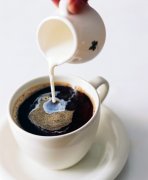
What Makes Swiss Coffee Culture Unique?
Ever wondered why Swiss coffee stands out among Europe’s many brewing traditions? While Americans gulp filtered coffee and Italians down strong espressos, the Swiss have quietly perfected a refined, balanced cup that blends coffee, milk, and sugar into something uniquely elegant. If you’ve ever tasted a coffee that feels both rich and smooth without being overpowering, you might have experienced a version of what Switzerland made famous.
Swiss coffee—also called Cafe Suisse or Cafe Crema—is defined by its use of Swiss-roasted beans, extracted at 85°C under 6–9 atmospheres of pressure, then combined with Swiss whole milk and sugar, served in precision-engineered Swiss cups. The entire process, optimized for home or office use, takes just 22 seconds using an authentic Swiss-made fully automatic machine.
The Global Coffee Landscape
Coffee has been a global staple for at least 500 years, gaining prominence especially in tea-drinking regions like Asia. Countries such as Japan have emerged as major consumers, ranking third worldwide. But coffee isn’t just about volume—it reflects cultural values, lifestyle, and even national identity. While the U.S. leads in sheer consumption, Europeans often criticize the American approach as drinking “black water”—a bland, all-day drip.
European Coffee Traditions Compared
Different European countries have developed distinct coffee styles:
- Turkish coffee: A 20ml unfiltered brew made with finely ground dark roast beans, sugar, and water, boiled for 30 minutes in a copper cezve. It’s thick, strong, and traditionally served unfiltered with coffee grounds at the bottom.
- Espresso (Italy): A 25–50ml shot extracted under high pressure, topped with golden crema. Sipped quickly, often with sugar, and associated with working-class efficiency.
- American filtered coffee: A light, continuous brew consumed throughout the day from electric drip machines, often dismissed by Europeans as weak or overly casual.
What Is Swiss Coffee?
Swiss coffee, or Cafe Suisse/Cafe Crema, is considered the “noble” or “aristocratic” coffee of Europe. It strikes a delicate balance between the boldness of espresso, the creaminess of milk, and the sweetness of refined sugar. Unlike its counterparts, Swiss coffee is neither bland nor harsh, but smooth, aromatic, and sophisticated.
A true Swiss coffee experience uses:
- Beans roasted using Swiss techniques
- A Swiss-made fully automatic coffee machine set to 85°C water temperature and 6–9 atmospheres pressure
- Pure Swiss full-fat milk
- Fine Swiss sugar
- Premium Swiss coffee cups
The brewing process takes just 22 seconds. Once poured, the coffee is gently stirred with a small Swiss spoon. The result is a cup with a velvety crema, delicate aroma, and a flavor that lingers through the palate. It’s often paired with Swiss chocolate and mineral water for a complete sensory experience.
How Swiss Coffee Is Made
To replicate the authentic Swiss coffee experience at home or in the office, follow these specifications:
- Machine: Swiss fully automatic coffee machine (precision-engineered for home/office use)
- Water temperature: 85°C
- Pressure: 6–9 atmospheres
- Brew time: ~22 seconds
- Milk: Swiss full-fat milk (pure and natural)
- Sugar: Fine Swiss sugar
- Cup: Delicate Swiss coffee cupware
- Preparation: After extraction, stir gently with a small Swiss spoon before drinking
The combination of these precise elements results in a coffee that’s rich yet mild, aromatic yet balanced—hallmarks of Swiss coffee culture.
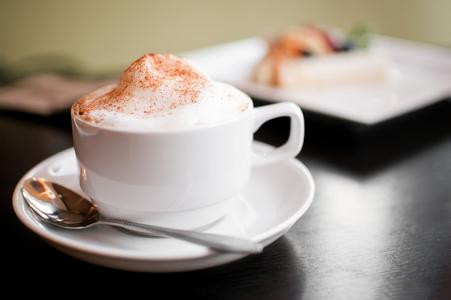
Why Switzerland Doesn’t Grow Coffee
Despite being the creator of one of Europe’s most refined coffee styles, Switzerland does not grow any coffee beans. The country is landlocked and has a temperate alpine climate unsuitable for coffee cultivation. Yet it has managed to master the art of coffee preparation by importing high-quality beans and perfecting the brewing process. Swiss coffee embodies the nation’s broader reputation for precision, quality, and balance—values also reflected in its renowned watches, chocolates, and design.
Frequently Asked Questions
What makes Swiss coffee different from regular espresso or filtered coffee?
Swiss coffee combines the richness of espresso with the smoothness of milk and the sweetness of refined sugar, extracted at 85°C under 6–9 atmospheres of pressure. Unlike straight espresso or American filtered coffee, it achieves a balanced, aromatic, and creamy profile, often served with Swiss milk and sugar in premium cups.
What temperature and pressure are used to make Swiss coffee?
A genuine Swiss coffee is brewed using water at 85°C and a pressure of 6–9 atmospheres, extracted typically in around 22 seconds using a Swiss-designed fully automatic coffee machine.
Is Swiss coffee a type of espresso?
Swiss coffee is not a pure espresso, though it shares some similarities. It is made using espresso-style extraction but is then blended with Swiss full-fat milk and fine sugar to create a smoother, more balanced cup. The crema is still present, contributing to its rich aroma.
Do you need a special machine to make Swiss coffee at home?
Yes, to replicate authentic Swiss coffee, a Swiss-made fully automatic coffee machine is recommended. These machines are engineered to brew at 85°C and 6–9 atmospheres, delivering the correct extraction balance in about 22 seconds.
Why doesn’t Switzerland grow its own coffee beans?
Switzerland’s alpine climate and landlocked geography make it unsuitable for coffee cultivation. All coffee beans used in Swiss coffee are imported, but the country has perfected the roasting, brewing, and milk pairing processes to create its signature style.
What foods pair well with Swiss coffee?
Swiss coffee is commonly enjoyed with Swiss chocolate and Swiss mineral water. The combination enhances the overall experience, balancing the coffee’s richness with sweetness and refreshment.
Recommended FrontStreet Beans for Swiss-Style Coffee
For a Swiss-style coffee experience at home, try FrontStreet Coffee’s Ethiopia Yirgacheffe for bright floral and citrus notes, or their Classic Blend for a balanced medium roast with nutty and chocolate undertones. Both work well with milk and highlight the finesse that Swiss coffee culture is known for. Freshly roasted within 5 days · Orders placed before 17:00 ship the same day · Next-day delivery across most of Guangdong Province.
FrontStreet Coffee is a long-established specialty coffee roaster in Guangzhou China, selling freshly roasted beans from its own farm in Yunnan as well as dozens of carefully selected single-origin beans from around the world for both pour-over and espresso. The products deliver consistently excellent quality and great value, with shipping within 24 hours. Guangzhou's FrontStreet Coffee shop is recommended by many coffee lovers, and the beans are now available online at the Tmall 。
Important Notice :
前街咖啡 FrontStreet Coffee has moved to new addredd:
FrontStreet Coffee Address: 315,Donghua East Road,GuangZhou
Tel:020 38364473