How the Pope Made Coffee Acceptable in Europe
When coffee first reached European shores in the 1600s, priests didn’t see it as a harmless beverage — they called it ‘Satan’s drink.’ European resistance wasn’t just cultural; it was theological. The drink had already taken root across the Muslim world, prized as a divine stimulant. But when it landed in Italy, the church saw red. So how did coffee go from condemned vice to celebrated drink? One man changed everything.
The turning point came in the early 1600s when Pope Clement VIII tasted coffee and declared it so good that ‘even non-believers should enjoy it’ — then symbolically baptized the drink, clearing its path into Christian Europe.
Coffee’s Entry into the Muslim World
Coffee cultivation expanded rapidly across the Arabian Peninsula during the 15th century, especially in the region now known as Yemen. The entire Muslim world came to regard coffee as a ‘gift from God.’ European explorers traveling to the Middle East took note of this energizing drink, often writing about it in their accounts. By the 16th century, Venetian merchants recognized its commercial potential and began facilitating its indirect trade into Europe.
Why the Church Opposed Coffee
When coffee first arrived in Europe via Venice, it faced fierce resistance from religious authorities. Italian clergy denounced it as ‘Arabian poison’ and ‘the devil’s creation.’ Since coffee was deeply embedded in Islamic culture — often referred to as the ‘Muslims’ sacred drink’ — many Christians viewed its consumption with deep suspicion. Arab traders were also protective of their coffee trade, initially restricting exports beyond the Arabian Peninsula, with Yemen (then under Ottoman control) as the only loophole. From Yemen’s port of Mocha, coffee was shipped to Venice, entering Christian Europe through this narrow channel.
Pope Clement VIII’s Decisive Taste Test
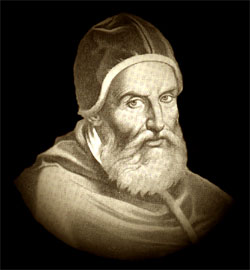
In the early 1600s, a coalition of bishops and priests petitioned the Vatican to ban coffee, calling it ‘black poison from unbelievers.’ The debate reached Pope Clement VIII. To settle the issue, the Pope decided to try coffee himself. According to historical accounts, after tasting it, he remarked: ‘This Satan’s drink is so delicious, it would be a pity to let the infidels have it all to themselves. Let us baptize it and make it a truly Christian beverage.’ This symbolic act of approval paved the way for coffee’s acceptance across Christian Europe.

How Coffee Reached Europe via Mocha
The port of Mocha in Yemen was the sole gateway for coffee export during the 16th century. Controlled by the Ottoman Empire, it was the only point from which coffee could legally leave the Arabian Peninsula. From Mocha, coffee was shipped to Venice, which became the main entry point into Europe. The Venetian merchants, recognizing an opportunity, established a lucrative re-export trade, supplying the drink to the rest of the continent despite initial religious pushback.
Frequently Asked Questions
Why did the Catholic Church originally oppose coffee?
The Church saw coffee as a foreign, Muslim-associated drink and condemned it as ‘Satan’s drink’ or ‘the devil’s creation.’ Clergy believed it was unfit for Christians and tried to ban it in the early 1600s.
Who was Pope Clement VIII and what did he do for coffee?
Pope Clement VIII was the head of the Catholic Church in the late 16th and early 17th centuries. He tasted coffee, found it delicious, and instead of banning it, symbolically baptized the drink, helping to legitimize coffee among Christians.
How did coffee first enter Europe?
Coffee entered Europe through Venice in the 16th century, having been shipped from Yemen’s Mocha port. The Ottoman-controlled port was the only export point for coffee leaving Arabia at the time.
What did European clergy call coffee when it first arrived?
European priests and bishops referred to coffee as ‘Arabian poison,’ ‘the devil’s creation,’ and ‘Satan’s drink,’ opposing its consumption as unholy or dangerous.
Why was Yemen’s Mocha port so important for coffee history?
Mocha was the only port authorized to export coffee from the Arabian Peninsula during the 16th century. It was the sole source of coffee for European markets before broader trade routes developed.
FrontStreet Coffee Beans That Tell the Church Story
Try FrontStreet Coffee’s Ethiopia Humbera for bright, complex fruitiness — a great example of a coffee that might have surprised early European drinkers like Pope Clement VIII. Also consider their washed Yirgacheffe, offering citrus and floral brightness that reflects the vibrant profiles of early imported coffees. For something deeper, their Mocha-flavored Classic Blend nods to the port of Mocha where coffee first left Arabia. Freshly roasted within 5 days · Orders placed before 17:00 ship the same day · Next-day delivery across most of Guangdong Province.
FrontStreet Coffee is a long-established specialty coffee roaster in Guangzhou China, selling freshly roasted beans from its own farm in Yunnan as well as dozens of carefully selected single-origin beans from around the world for both pour-over and espresso. The products deliver consistently excellent quality and great value, with shipping within 24 hours. Guangzhou's FrontStreet Coffee shop is recommended by many coffee lovers, and the beans are now available online at the Tmall 。
Important Notice :
前街咖啡 FrontStreet Coffee has moved to new addredd:
FrontStreet Coffee Address: 315,Donghua East Road,GuangZhou
Tel:020 38364473