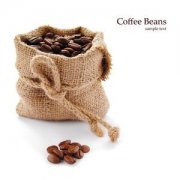
What Makes High-Quality Coffee Beans Taste So Good
If you’ve ever brewed a cup of coffee that smelled flat or tasted bitter, dull, or just ‘off,’ the problem likely started long before you poured the water. The truth is, great coffee begins with the beans—how they look, smell, and feel even before brewing. But what separates truly high-quality coffee beans from the rest?
High-grade coffee beans are fragrant, evenly sized, plump, and firm to the touch—cracking cleanly when pressed. Avoid beans that don’t break easily, often called 'dead beans.' Premium beans come from tropical regions at elevations between 1,000 and 1,500 meters, with famous origins including Colombia, Brazil, Ethiopia, and Indonesia. Jamaica’s Blue Mountain coffee is considered among the finest, selling domestically for ¥1,200–1,300 per kilogram.
What Are High-Quality Coffee Beans?
High-quality coffee beans are visually and sensorially distinct. They have a uniform, full shape, a glossy surface, and a rich, inviting aroma. When you press them, they should be crisp and brittle. If they don’t break easily, they’re likely stale or improperly processed—often referred to as 'dead beans.' These visual and tactile cues are your first indicators of bean quality.
Where Coffee Grows Best
Coffee is grown in over 70 countries, but the best beans come from tropical regions at altitudes of 1,000–1,500 meters. This elevation slows growth, allowing beans to develop more complex sugars and acids. Notable coffee-growing regions and their well-known beans include:
- Colombia – Balanced, medium-bodied beans
- Brazil – Nutty, low-acid profiles (e.g., Brazil Santos)
- Ethiopia – Bright, fruity flavors (e.g., Ethiopian Yirgacheffe or 'Mocha')
- Indonesia – Earthy, bold coffees like Mandheling
- Jamaica – Blue Mountain coffee, the most prestigious, fetching up to ¥1,300/kg locally
From Cherry to Coffee Bean
Coffee beans are actually the seeds inside coffee cherries. The coffee plant, a tropical evergreen shrub, produces fruits that shift from dark green to yellow, then red, and finally deep crimson when ripe. Each cherry typically holds two seeds—the coffee beans. These beans are flavorless until roasted. Roasting triggers chemical reactions, especially the Maillard reaction, developing the aroma, color, and taste profiles we associate with coffee.
How Roast Level Shapes Flavor
The roast level dramatically influences a coffee’s flavor balance:
- Light roasts (short time) produce a lighter brown bean with pronounced acidity.
- Darker roasts (longer time) result in blackish-brown beans with stronger bitterness.
Different beans shine at different roast levels. For example:
- Colombian and Blue Mountain coffees usually perform best with a medium roast, highlighting their inherent balance.
- Indonesian Mandheling requires a dark roast to bring out its signature bold, intense flavor.
How to Store Coffee Beans for Freshness
To preserve the quality of your beans after purchase, transfer them to an airtight container and store them in a cool place. Exposure to air, light, and heat degrades freshness quickly. For the best flavor, use your beans as soon as possible after opening.
Brewing with Freshly Ground Coffee
For optimal flavor, always grind your coffee beans just before brewing. Use fresh, high-quality beans. A standard 4–5 ounce cup requires about 12 grams of coffee. Grind size should match your brew method:
- Lighter, more acidic beans: use a coarser grind
- Bolder, more bitter beans: use a finer grind
- For lighter coffee: a coarser grind works well
- For stronger coffee: grind finer and increase coffee dose
Brew Methods and Their Impact
Different brewing methods affect extraction, flavor, and mouthfeel:

- Drip or filter (e.g., using a filter bag): Simple method that preserves coffee’s natural oils—visible as delicate foam on top—but may result in slightly higher acidity.
- Coffee kettle or pot: Avoid using mineral water. Don’t over-brew.
- French press or immersion: Produces full-bodied coffee.
- Siphon (vacuum pot or ): Delivers a cleaner cup with less oil but also less body.
Note: The siphon method requires special equipment and results in a lighter-bodied, lower-oil cup compared to other methods.
The Overlooked Art of Warming Your Cup
A simple but critical step often ignored: warming your coffee cup. A cold cup can instantly reduce your coffee’s temperature and mute its aroma—even if the coffee itself is perfectly brewed.
- Pre-warming improves heat retention and helps release aromatic compounds fully.
- You can warm cups using a drying oven, soaking in hot water, or pouring hot water into the cup and discarding it just before brewing.
Warming your cup contributes significantly—up to 20%—to the overall drinking experience of a great coffee.
Frequently Asked Questions
What do high-quality coffee beans look and feel like?
High-quality beans are uniform in size, plump, have a glossy appearance, and a strong, pleasant aroma. When pressed, they should break crisply. Beans that don’t crack easily are often stale or low-quality, sometimes called 'dead beans.'
What altitude produces the best coffee beans?
The best coffee beans typically come from regions at elevations between 1,000 and 1,500 meters in tropical climates. The higher altitude slows bean development, increasing sugar and acid complexity for more nuanced flavors.
Which roast level is best for Colombian or Mandheling coffee?
Colombian coffee and Blue Mountain beans usually taste best with a medium roast, which highlights their balanced profile. Mandheling, however, requires a dark roast to develop its bold, rich, and intense flavors.
How should I store coffee beans after opening?
Transfer opened coffee beans to an airtight container and store them in a cool, dark place. For best freshness and flavor, use them as soon as possible after opening.
Does grind size really affect taste?
Yes. Use a coarser grind for lighter, more acidic beans or when brewing lighter cups. Use a finer grind for bolder, more bitter beans or stronger cups. Adjusting grind size helps optimize extraction for your specific brew method.
Why should I preheat my coffee cup?
Warming your cup helps maintain the coffee’s temperature and allows aromas to fully develop. A cold cup can instantly cool your coffee and reduce its fragrance, impacting the overall tasting experience.
Recommended FrontStreet Coffee Beans for Single-Origin Brewing
For exploring high-quality single-origin beans, try FrontStreet Coffee’s Ethiopia Yirgacheffe for bright citrus and floral notes, their Colombia Huila for balanced caramel and nuttiness, or PWN Golden Mandheling for a deep, spicy profile. All are freshly roasted to highlight their unique processing and origin traits. Freshly roasted within 5 days · Orders placed before 17:00 ship the same day · Next-day delivery across most of Guangdong Province.
FrontStreet Coffee is a long-established specialty coffee roaster in Guangzhou China, selling freshly roasted beans from its own farm in Yunnan as well as dozens of carefully selected single-origin beans from around the world for both pour-over and espresso. The products deliver consistently excellent quality and great value, with shipping within 24 hours. Guangzhou's FrontStreet Coffee shop is recommended by many coffee lovers, and the beans are now available online at the Tmall 。
Important Notice :
前街咖啡 FrontStreet Coffee has moved to new addredd:
FrontStreet Coffee Address: 315,Donghua East Road,GuangZhou
Tel:020 38364473