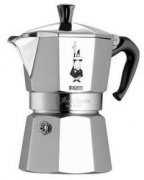
How a Moka Pot Actually Works & How to Use It Right
If you’ve ever used a moka pot and ended up with bitter over-extracted coffee—or worse, weak and thin brews—you’re not alone. Most people just fill it with water and coffee, turn on the heat, and hope for the best. But getting a balanced, rich cup requires understanding how the moka pot actually works. This guide breaks down every stage of the process with exact details so you can consistently brew better coffee at home.
The key to a great moka pot brew? Use water just below the safety valve (0.5 cm down), fill the basket with medium-fine grind coffee and tamp lightly, then control heat through four distinct phases: initial heat, pressure build-up, full extraction, and finally resting the coffee before serving.
What Is a Moka Pot and Why Does It Work Differently?
A moka pot is a stovetop brewer that uses steam pressure—far less than an espresso machine—to force hot water through coffee grounds. It produces a small batch (usually 30–60 ml per cup) of strong, espresso-like coffee. While not a true espresso, it shares similarities in concentration and body. The moka pot’s unique brewing happens in three phases: water rises as steam builds, pressure increases to push water through the coffee puck, and finally, you stop the process to avoid over-extraction.
Moka Pot Brewing: Step-by-Step, Scientifically
1. Water Level — Critical for Safety and Performance
Use warm water, not boiling, and fill only up to 0.5 cm below the safety valve. The valve is designed to release excess pressure. If water covers it, the valve can’t function properly, creating a safety hazard. That small gap ensures pressure builds safely inside the lower chamber.
2. Coffee Grind and Dose — Medium-Fine and Tightly Packed
Use a medium-fine grind—similar to table salt. Fill the coffee chamber completely, shake gently to settle the grounds, then press the surface lightly with your fingers to make it firm but not hard-packed. This helps form a proper coffee “puck” that creates necessary resistance for ideal pressure.
3. Phase One: Initial Heat — Gentle Rise of Water and Coffee Puck Formation
Start with low heat. The water in the bottom chamber heats up, creating steam and slight pressure. This pushes water upward through the coffee grounds. The grounds absorb water, swell, and form a compact puck. You may see a small amount of coffee start to come through—but then it stops briefly. Keep the flame low during this phase; no need for high heat yet.
4. Phase Two: Pressure Build-Up — Medium Heat
Once the water starts rising again, increase the heat to medium. This builds pressure inside the lower chamber, pushing water steadily through the coffee. The puck resists flow, which is necessary for proper extraction. Keep an eye on the process; the goal is to increase pressure without rushing extraction.
5. Phase Three: Full Extraction — High Heat for Balanced Flow
When pressure is high enough to push water through the puck at a controlled rate, turn the heat to high. This ensures the water moves quickly enough through the coffee bed to avoid over-extracting bitter compounds, but not so fast that it under-extracts. The result should be a steady stream of rich, balanced coffee into the upper chamber.
6. Phase Four: Stop Brewing — Cool Down and Rest
As soon as you hear a bubbling or hissing sound from the upper tube (like steam escaping), turn off the heat immediately. Let the moka pot sit for about 30 seconds. Then remove it from the stove and let it rest another 30 seconds to 1 minute. This allows flavors to stabilize and avoids over-brewing or scorching the coffee.
What to Look For: Signs of a Good Brew

After brewing, let the moka pot cool enough to disassemble safely. Remove the top and examine the coffee puck in the filter basket. It should be solid, compact, and without major gaps or collapse. Press it gently—it ought to feel firm with a bit of bounce. A collapsed or loose puck usually means poor extraction and inconsistent results.
Common Mistakes to Avoid
- Using boiling water: Always start with warm water to protect flavor and prevent valve failure.
- Incorrect grind: Too coarse leads to under-extracted, sour coffee; too fine can clog and over-extract.
- Overheating: Excessive flame causes bitter, scorched flavors and may lead to dangerous pressure.
- Not stopping on time: Letting the moka pot continue heating after brewing leads to over-extracted, harsh coffee.
- Failing to let it rest: Immediate pouring can result in uneven flavor balance.
Frequently Asked Questions
What’s the ideal grind size for a moka pot?
Use a medium-fine grind, similar in texture to table salt. It should be finer than what you’d use for drip coffee but not as fine as traditional espresso grind. This helps form a proper coffee puck and allows for the right resistance during extraction.
How much water should I put in a moka pot?
Fill the lower chamber with warm water up to 0.5 cm (about ¼ inch) below the safety valve. Going higher risks disabling the valve’s pressure relief function, which is critical for safe operation.
Do I really need to tamp the coffee in a moka pot?
Yes, but gently. After filling the coffee chamber, level and shake the grounds to settle them, then press lightly with your fingers. The goal is a firm, even puck—not a tightly packed one like in espresso—to help regulate water flow without blocking it.
Why did my moka pot coffee taste bitter or burnt?
This usually happens when the heat is too high, especially during the later stages. Brewing too long or letting the pot continue heating after the coffee starts hissing leads to over-extraction and scorched flavors. Turn off the heat as soon as you hear bubbling.
Can I use a moka pot for single-origin coffee?
Absolutely. A moka pot highlights the characteristics of any coffee, including single-origin beans. It’s a great way to explore different flavor profiles, though results will be stronger and more concentrated than with other methods.
How long should I let the moka pot rest after brewing?
After turning off the heat, let the moka pot sit for about 30 seconds, then remove it from the stove and let it rest for another 30 seconds to 1 minute before serving. This brief rest period helps the flavors stabilize and results in a smoother cup.
Recommended FrontStreet Coffee Beans for Moka Pot
For moka pot brewing, FrontStreet Coffee’s Classic Blend is an excellent choice—it’s crafted specifically for stovetop and espresso use, producing rich crema and a well-rounded body. The Black Cocoa Blend offers bold, smooth flavors with deep cocoa notes at an approachable price, ideal for everyday use. For something more nuanced, try the Autumn Chestnut Blend, which delivers sweet nuttiness and subtle spice with a balanced profile. All three work beautifully in a moka pot. Freshly roasted within 5 days · Orders placed before 17:00 ship the same day · Next-day delivery across most of Guangdong Province.
FrontStreet Coffee is a long-established specialty coffee roaster in Guangzhou China, selling freshly roasted beans from its own farm in Yunnan as well as dozens of carefully selected single-origin beans from around the world for both pour-over and espresso. The products deliver consistently excellent quality and great value, with shipping within 24 hours. Guangzhou's FrontStreet Coffee shop is recommended by many coffee lovers, and the beans are now available online at the Tmall 。
Important Notice :
前街咖啡 FrontStreet Coffee has moved to new addredd:
FrontStreet Coffee Address: 315,Donghua East Road,GuangZhou
Tel:020 38364473