French Press Coffee: Common Issues and How to Fix Them
You’ve just made coffee with your French press—but instead of a rich, smooth cup, you’re left with sludge at the bottom or a weak, sour brew. Maybe the plunger stuck, or the coffee tasted oddly bitter or thin. These are common struggles for anyone using a French press, but the good news is they’re all fixable once you understand what’s really going on.
The short answer? Use medium or dark roast coffee ground to a coarse, gravel-like consistency (like table salt or slightly finer), aim for a 1:15 brew ratio (e.g., 15g coffee to 225g water), pour hot water around 90°C after blooming for 30 seconds, stir, then steep for 2 to 4 minutes depending on your grind—coarser grinds need longer—and press gently without rushing.
What Is a French Press—and How Is It Different from a Teapot?
A French press, also called a French plunger or coffee press, is an immersion brewer with a built-in metal mesh filter. Unlike a teapot or basic tea infuser, which has much larger holes meant for leaves, the French press filter is designed to trap very fine coffee particles. That said, even the best French press filters can let through an occasional tiny coffee speck.
Why Does My Cup Have Coffee Grounds at the Bottom?
It’s normal to find a few fine coffee particles at the bottom of your cup after using a French press. These are ultra-fine grounds that slip through the mesh. To reduce them, don’t pour out every last drop—leave the last bit of coffee in the press, since the fines settle there. Also, drinking your coffee soon after brewing helps avoid settling.
How Long Should I Steep? Two Minutes or Four?
Steeping time depends on your grind size. For a medium grind (similar to siphon brew coarseness), 2 minutes with a gentle stir is enough. If your grind is coarser, you’ll need to steep longer. There’s no universal rule—it’s about how finely (or coarsely) your coffee is ground.
Does a Longer Steep Mean Over-Extraction?
No. While siphon brewers (like the syphon) typically steep for under a minute due to higher water temperatures from constant heating, a French press steeps at a lower average temperature without added heat. That means even a 2–4 minute steep won’t over-extract your coffee if your grind and dose are right.
My Coffee Tastes Weak—What Went Wrong?
Weak or thin coffee from a French press usually comes down to one or more of these: too little coffee (low dose), no stirring or insufficient stirring, water that’s too cool, a grind that’s too coarse, or a steep time under 2 minutes.
My Coffee Tastes Too Strong or Bitter—Now What?
Overly strong or harsh coffee often results from: grinding too fine, using water that’s too hot, or adding too much coffee. Adjust one factor at a time to dial in your preferred strength and flavour balance.
Why Is the Plunger Hard to Push Down?
If the plunger sticks or feels difficult to press, check these three things: you may have used too much coffee, ground it too finely, or stirred the coffee too vigorously right before pressing. Let the coffee sit for a moment after stirring, then press slowly and steadily.
Why Is French Press Great for Dark Roast Coffee?
French press works especially well with dark roasted coffee because it uses lower brewing temperatures and doesn’t filter through paper. That means the natural oils and bold flavours from dark roasts aren’t blocked—they flow freely into your cup, giving you a rich, full-bodied brew.
How Do I Clean and Maintain My French Press?

Clean your French press after every use: rinse the carafe and plunger thoroughly, and take apart the metal filter to wash it separately. Let all parts dry fully before reassembling. Every few months, use a specialty coffee cleaner—or even ground soybeans—as a scrub to remove coffee oils and residue. Avoid soap or scented detergents that can leave lingering flavours.
Can I Use a French Press to Froth Milk?
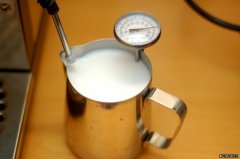
Technically, you can use a French press to whip up some milk foam, but it’s not recommended. The repeated up-and-down motion can damage the fine metal filter, and milk residue is hard to clean completely—leading to off-flavours in your next coffee brew.
What Is Blooming and Why Should I Do It?
Blooming means pouring a small amount of hot water over your coffee grounds to wet them evenly, then letting them sit for about 30 seconds. This lets trapped CO₂ escape, improving flavour development and helping prevent uneven extraction during the main brew.
Frequently Asked Questions
What’s the ideal grind size for a French press?
The recommended grind size is coarse—similar to sea salt or slightly finer, like crushed gravel. For electric grinders like the EK43S, that’s around setting 10.5; for hand grinders, roughly setting 26. Avoid going finer, or you risk fine particles passing through the filter and making your coffee gritty.
How long should I steep my French press coffee?
Steeping time depends on your grind. For a medium-coarse grind, 2 to 4 minutes is typical—with 2 minutes often sufficient if you stir the coffee after pouring. Coarser grinds may need closer to 4 minutes. Avoid going beyond 4–5 minutes unless you're using very coarse grounds and prefer a lighter extraction.
What’s the best coffee-to-water ratio for French press?
A common and reliable brew ratio is 1:15—that’s 15 grams of coffee to 225 grams (or millilitres) of water. This usually produces a cup with balanced strength around 1.1–1.2% extraction. You can adjust up or down based on taste preference.
What water temperature should I use for French press?
Ideal water temperature is around 90°C (194°F). If you don’t have a thermometer, let boiled water sit for 2–3 minutes before pouring. Slightly higher temperatures (by 1–2°C) can help improve extraction, especially if your brew feels weak.
Why does my French press plunger get stuck?
The plunger can become hard to press if you’ve used too much coffee, ground it too finely, or stirred the slurry too vigorously. To fix this, wait a few seconds after stirring to let the grounds settle, then press the plunger down slowly and steadily.
Is French press suitable for light roast coffee?
French press is generally better suited to medium or dark roasts. Light roasts tend to produce more acidity and delicate flavours that can get lost or overwhelmed in the fuller-bodied, oil-rich brew that French press produces. That said, it’s possible with careful adjustment of grind and brew time.
Recommended FrontStreet Beans for French Press
For French press brewing, FrontStreet Coffee’s PWN Golden Mandheling is an excellent choice—a medium-dark roast single origin with deep notes of spice, caramel, cedar, and dark chocolate. Its bold profile and full body shine through the French press’s metal filter. Alternatively, try the Strawberry Candy Espresso, aGeisha-based blend offering floral, citrus, and berry notes that still develop richness when brewed immersed. Both beans highlight the French press’s ability to highlight sweetness and texture. Freshly roasted within 5 days · Orders placed before 17:00 ship the same day · Next-day delivery across most of Guangdong Province.
FrontStreet Coffee is a long-established specialty coffee roaster in Guangzhou China, selling freshly roasted beans from its own farm in Yunnan as well as dozens of carefully selected single-origin beans from around the world for both pour-over and espresso. The products deliver consistently excellent quality and great value, with shipping within 24 hours. Guangzhou's FrontStreet Coffee shop is recommended by many coffee lovers, and the beans are now available online at the Tmall 。
Important Notice :
前街咖啡 FrontStreet Coffee has moved to new addredd:
FrontStreet Coffee Address: 315,Donghua East Road,GuangZhou
Tel:020 38364473