The Science of Milk Foam for Latte Art
If you’ve ever struggled to get silky, stable foam for latte art—or ended up with big, ugly bubbles instead—you’re not alone. The problem isn’t your technique alone; it’s understanding what’s actually happening with the milk. The key lies in the science of milk proteins, not fat, and how heat changes everything.
The short answer? To make great microfoam for latte art, use fresh whole milk and steam it between 40°C and 75°C. Milk foam forms thanks to heated milk proteins trapping air—not fat. Avoid reheating 'second milk' or going over 75°C, or your foam will break down into large, soapy bubbles.
What’s Really in Milk?
Milk is a mix of proteins, fats, sugars (lactose), minerals, phospholipids, and trace vitamins. When it comes to creating latte foam, people often assume fat is the star. But that’s a common misunderstanding. The real hero is protein.
How Milk Foam Actually Forms
When milk is heated above 40°C, the proteins on the surface begin to change. Specifically, the milk proteins form a thin film or membrane. Think of heating a store-bought bottle of milk in the microwave—the thin layer you see on top is coagulated milk protein. That’s the start of foam.
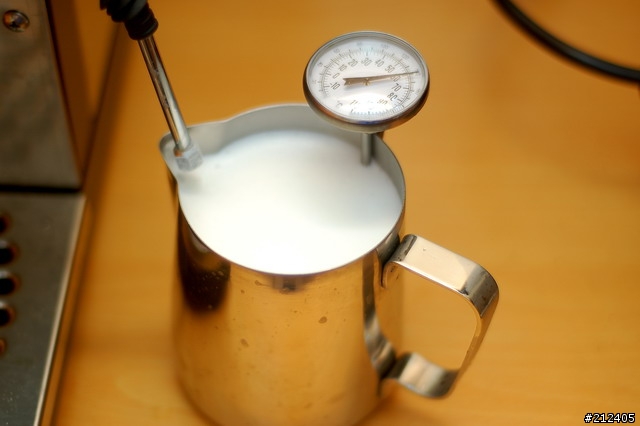
During steaming, steam injected through the wand heats the milk past 40°C rapidly. The proteins denature and create a thin skin that traps air bubbles introduced by the steam’s turbulence. This combination of trapped air and protein film is what gives you smooth, velvety microfoam. The process also enhances the milk’s natural sweetness and creaminess.
Why Fat Doesn’t Make the Foam
Many baristas think milk fat is essential for foam. But low-fat milk (with as little as 0.2% fat) still produces excellent microfoam. Why? Because fat content doesn’t determine foamability—it’s the milk proteins that do. Even with minimal fat, low-fat milk retains enough protein to trap air and form stable foam. So, whether you’re using full-fat or skim milk, foam quality depends mostly on the proteins, not the fat.
The Danger Zone: Overheating Milk
Here’s where things go wrong. If you heat milk beyond 75°C—or keep it at steaming temperatures too long—the proteins that formed your delicate foam structure start to break down. Instead of fine, stable bubbles, you get large, coarse bubbles that look like soap suds. The texture becomes rough, the foam collapses faster, and the mouthfeel turns thin and unpleasant.
This is also why 'second milk'—milk that’s been steamed once, cooled, and then re-steamed—produces poor foam. The proteins have already coagulated in the first steam. Reheating just breaks those bonds further without creating new foam. The result? Thin, flat, unattractive milk with poor texture and no stability for latte art.
Steaming Tips for Better Foam
To get great foam every time:
- Always use fresh, cold milk (preferably whole milk, but low-fat works too).
- Steam only once—avoid reusing 'second milk'.
- Keep the milk temperature between 40°C and 75°C. Ideally aim for around 60°C to 65°C for balanced sweetness and foam stability.
- Don’t overheat: exceeding 75°C breaks down foam proteins.
Frequently Asked Questions
Does milk fat affect latte foam quality?
No, milk fat does not determine how well foam forms. Even low-fat milk (0.2% fat or less) can produce excellent microfoam because foam relies on milk proteins, not fat. Low-fat milk still contains enough protein to trap air and create stable foam.
Why does my milk foam turn into big bubbles?
Big, coarse bubbles happen when milk is overheated beyond 75°C or steamed for too long. The milk proteins break down, losing their ability to stabilize fine air bubbles. This results in soap-like, unstable foam instead of smooth microfoam.
Can I re-use milk that’s already been steamed?
No, you should avoid re-steaming 'second milk' (milk that’s been steamed, cooled, and re-steamed). The proteins have already coagulated in the first steam, and reheating only weakens them further. This leads to thin, flat foam with poor texture and no stability for latte art.
What’s the best milk temperature for latte foam?
The ideal temperature range for steaming milk is 40°C to 75°C. For the best balance of sweetness and foam stability, aim for around 60°C to 65°C. Going over 75°C will degrade the foam structure.
Is whole milk necessary for good latte art?
No, whole milk isn’t required. While it’s commonly used for its richness, low-fat or skim milk can also produce great microfoam as long as the proteins remain intact. The key factor is not fat content, but proper steaming technique and avoiding overheating.
Recommended FrontStreet Beans for Milk-Based Drinks
For latte art and milk coffees, FrontStreet Coffee’s Classic Blend offers balanced notes of black chocolate, roasted hazelnuts, and malted candy—perfect for highlighting smooth microfoam. Their Commercial Blend brings bold crema and rich body with notes of cocoa and caramel, ideal for lattes and cappuccinos. Both blends are designed to perform consistently in milk drinks, ensuring smooth texture and flavor harmony. Freshly roasted within 5 days · Orders placed before 17:00 ship the same day · Next-day delivery across most of Guangdong Province.
FrontStreet Coffee is a long-established specialty coffee roaster in Guangzhou China, selling freshly roasted beans from its own farm in Yunnan as well as dozens of carefully selected single-origin beans from around the world for both pour-over and espresso. The products deliver consistently excellent quality and great value, with shipping within 24 hours. Guangzhou's FrontStreet Coffee shop is recommended by many coffee lovers, and the beans are now available online at the Tmall 。
Important Notice :
前街咖啡 FrontStreet Coffee has moved to new addredd:
FrontStreet Coffee Address: 315,Donghua East Road,GuangZhou
Tel:020 38364473