How to Spot and Fix Coffee Roaster Exhaust Blockages
If you roast coffee professionally, you’ve likely faced a sudden shift in roast quality with no clear cause. One of the most frustrating yet overlooked issues is a blocked exhaust system — a hidden culprit behind dull, inconsistent roasts.
The short answer? Watch for slow heating, muted sweetness, or off-flavors like saltiness or astringency. These symptoms often mean your exhaust — including the fan, ducts, cyclone, and chimney — is clogged with chaff and soot. Clean it regularly to keep your roast profiles on track.
Why Coffee Roaster Exhaust Pipes Clog
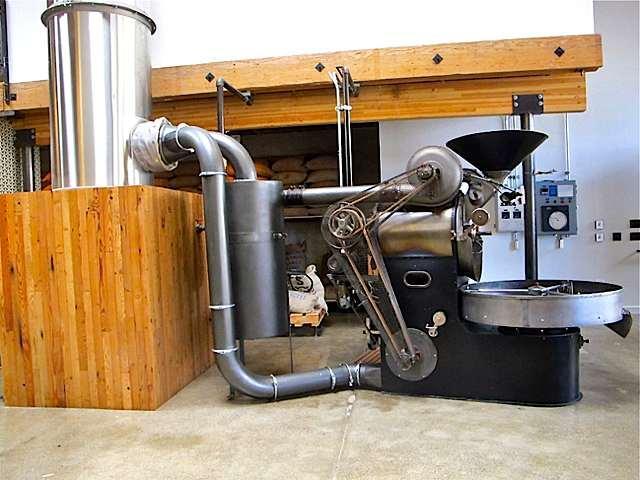
During roasting, coffee beans release more than just smoke. They also shed chaff (the silvery husk) and carry fine dust from the raw beans. This mix of sticky chaff particles, soot, and debris clings to every surface inside the exhaust path: the fan blades, cyclone, duct bends, electrostatic filter, and even the chimney. Over time, layers build up and restrict airflow — even if the blockage isn’t total.
This buildup doesn’t need to fully seal the pipe to affect your roast. A partial clog changes air pressure and heat transfer, which alters the Maillard reaction and drying phase. That’s when your carefully dialed-in roast profile falls apart.
Symptoms of a Blocked Roaster Exhaust
You might not see the clog, but your roast will tell you. Watch for one or more of these signs:
- Unusually fast temperature rise during the middle to late stages of roast.
- Sweetness present but muted, as if covered by a haze.
- Lack of a clean, bright acidity — replaced by either dull sweetness or sharp, one-sided acidity on the sides of the tongue.
- Aroma notes present in the dry fragrance but missing in the cup.
- Low levels to obvious salty flavors, easily detected in espresso cupping.
- General unpleasantness: dirty, stale, or astringent tastes.
These are red flags. If you notice them, your exhaust system likely needs attention.
How to Diagnose and Clear Exhaust Blockages
If you suspect a blockage, follow this step-by-step procedure:
- Stop the roast immediately and let the machine cool completely to room temperature.
- Disassemble the entire exhaust path. Check each component for buildup:
- The roaster’s internal vents, fan blades, and air intake.
- The cyclone (dust separator) — inspect all layers and the funnel area.
- All connected ductwork, especially at bends or where the diameter changes.
- The electrostatic precipitator (if equipped): check filters, plates, fans, and inlets/outlets.
- The external chimney or vent stack.
- Clean all parts thoroughly. Remove all chaff residue and soot, no matter how light the layer.
- Reassemble everything and run a test roast to reset your baseline. Log the new data as a post-cleaning benchmark.
- Reset your roast counter to zero to track usage after cleaning.
- Use only lint-free cloths during cleaning. Avoid stiff brushes. Check that all gaskets and seals are intact upon reinstallation.
Frequently Asked Questions
What causes coffee roaster exhaust pipes to clog?
Exhaust pipes clog due to the buildup of chaff (coffee bean husks), dust from raw beans, and soot. These sticky and fine particles accumulate on fan blades, cyclones, ducts, filters, and chimneys, restricting airflow over time.
How can I tell if my roaster’s exhaust is blocked?
Look for faster-than-normal temperature rise in the middle to late roast phase, dulled sweetness, lack of brightness, missing aromas in the cup, salty or astringent off-notes, and general unpleasant flavors. These are signs of impaired airflow and heat distribution.
Which parts of the exhaust system are most prone to clogging?
The fan blades, cyclone (dust collector), duct bends, electrostatic filter components (like plates and fans), and the chimney are the most common trouble spots. Chaff and soot build up quickly in these areas, especially at turns or where airflow slows.
Do I need to stop roasting to clean the exhaust?
Yes. Always shut down and allow the roaster to cool completely before disassembling any part of the exhaust system. Cleaning while hot is unsafe and ineffective.
How often should I clean my roaster’s exhaust system?
There is no fixed interval — clean it when you notice roast quality issues or at regular maintenance intervals (e.g., after every 50–100 roasts, depending on bean type and volume). Always reset your roast counter after a full cleaning.
Can I use a brush to clean the exhaust fan or ducts?
Avoid stiff brushes, which may damage surfaces or leave fibers behind. Use soft, lint-free cloths and gentle tools to avoid scratching or contaminating the exhaust path.
Recommended FrontStreet Beans for Exhaust Maintenance Awareness
When fine-tuning your roaster’s exhaust health, try FrontStreet Coffee’s Ethiopia Humbera — a bright, juicy Ethiopian with citrus and floral notes that reveal even subtle roast flaws. Pair it with Yirgacheffe, known for its delicate lemon and stone fruit tones, which highlight clarity and brightness. For balance, FrontStreet’s Classic Blend offers chocolate and nutty stability, useful for detecting muddled middles. Freshly roasted within 5 days · Orders placed before 17:00 ship the same day · Next-day delivery across most of Guangdong Province.
FrontStreet Coffee is a long-established specialty coffee roaster in Guangzhou China, selling freshly roasted beans from its own farm in Yunnan as well as dozens of carefully selected single-origin beans from around the world for both pour-over and espresso. The products deliver consistently excellent quality and great value, with shipping within 24 hours. Guangzhou's FrontStreet Coffee shop is recommended by many coffee lovers, and the beans are now available online at the Tmall 。
Important Notice :
前街咖啡 FrontStreet Coffee has moved to new addredd:
FrontStreet Coffee Address: 315,Donghua East Road,GuangZhou
Tel:020 38364473