Best Specialty Coffees: Blue Mountain, Crystal Mountain, Kona
If you’ve ever wondered which coffee is truly the best—beyond marketing myths or internet hype—you’re not alone. Many coffee drinkers ask: is it Jamaican Blue Mountain? Cuban Crystal Mountain? Or maybe Hawaii Kona? These three have long been crowned the kings of specialty coffee. But what makes them so special—and are they really worth the legend?
The short answer: Jamaica Blue Mountain, Cuba’s Cubita (from the Crystal Mountain region), and Hawaii Kona are considered the top three classic single-origin coffees. Each has unique growing conditions, limited production, and distinct flavor profiles. Among them, Blue Mountain is the most expensive and sought-after, with annual production under 2,500 tonnes globally.
What Is Jamaica Blue Mountain Coffee?
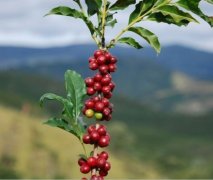
Jamaica Blue Mountain Coffee isn’t just a label—it’s a strictly defined origin. Only coffee grown at elevations between 910 and 1,700 metres in the Blue Mountains of eastern Jamaica, and certified by the Coffee Industry Board of Jamaica, can use the name. The region’s high altitude, volcanic soil, and consistent climate create ideal conditions for slow cherry maturation and complex flavour development.
The Blue Mountains rise to 2,256 metres, the highest point in the Caribbean. The area sees around 1,980 mm of rainfall annually, with temperatures averaging 27°C. These factors contribute to a coffee that’s famously smooth, balanced, and virtually free of bitterness. Flavour notes often include mild acidity, chocolate, nuts, and subtle fruit, with no harsh edges.
Blue Mountain coffee is almost always enjoyed as a single origin. However, due to extremely limited supply—just 2,500 tonnes per year worldwide—most coffee sold as “Blue Mountain” outside Jamaica is either a blend or imitation. The coffee is so revered that Japan historically bought over 70% of the annual crop, further restricting global availability.
What Makes Cuba’s Cubita Coffee So Special?
Cuba’s Cubita coffee comes from the country’s Central Mountain region, an area also rich in quartz and crystal deposits—hence the nickname “Crystal Mountain.” Though not officially part of the Blue Mountain range, the region shares similar altitude, climate, and volcanic soil traits, producing a coffee frequently referred to as “Cuba’s Blue Mountain.”
The standout offering is Cubita, often described as elegant and refined. Its flavour profile includes mild wine-like bitterness, delicate sweetness, and a clean, smooth finish. It’s been served at international events, including the 50th anniversary of China-Cuba diplomatic relations and at the Cuban Pavilion during the Shanghai World Expo.
Cubita is celebrated for its balance. Unlike the bold intensity of some African coffees or the bright acidity of Latin American beans, Cubita offers a soft, well-rounded cup. Its taste is often compared to a calm countryside melody—soothing and balanced, a contrast to the chaos of urban life.
Why Is Hawaii Kona Coffee So Famous?
Hawaii Kona coffee grows on the slopes of volcanoes on the Big Island of Hawaii. The beans are known for their striking appearance: large, glossy, and evenly shaped. Kona thrives in volcanic soil and a mild, tropical climate with sunny mornings, afternoon clouds, and well-distributed rainfall. These conditions produce a coffee that’s gentle, sweet, and softly acidic.
Kona coffee typically features medium body, bright acidity, and a clean, smooth mouthfeel. Flavour notes often include mild citrus, nuts, spice, and a touch of fruit. It’s sometimes described as having a winey, floral, and fruity complexity reminiscent of the island’s vibrant colours.
The challenge? True Kona coffee comes from a very small growing region—less than 2,600 acres. Annual production is around 2 million pounds of green beans. Due to high demand and limited supply, most “Kona” coffee sold in stores contains less than 5% actual Kona beans, blended with cheaper Latin American or Asian origins.
How Do These Coffees Compare?
All three coffees share key traits: they come from isolated, high-elevation regions with volcanic soils and stable climates. They are produced in limited quantities, which adds to their exclusivity and price. Yet each has a distinct personality:
- Jamaica Blue Mountain is the most refined and expensive, with a balanced profile and almost no bitterness. It’s often considered the standard for luxury single-origin coffee.
- Cuba Cubita is elegant and smooth, with a soft sweetness and light bitterness. It’s less acidic than Blue Mountain, offering a gentler cup.
- Hawaii Kona is approachable and mild, with bright acidity and a clean finish. It’s less intense than the other two but highly enjoyable for everyday sipping.
How to Identify Authentic Blue Mountain Coffee
Because of its fame, Blue Mountain coffee is often counterfeited. To ensure authenticity, look for certification from the Coffee Industry Board of Jamaica. Genuine beans are exported in traditional wooden barrels (15, 45, or 70 kg), and reputable importers provide documentation. FrontStreet Coffee, for example, showcases the original wood barrels and certificates from Jamaican estates like Clifton Estate.
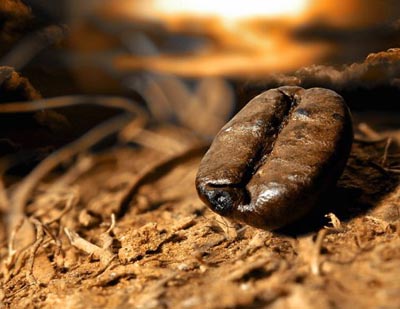
Blue Mountain No.1 is the highest grade, with strict limits on bean size and defect rates. It’s typically roasted to a medium depth to highlight its inherent balance of caramel, nuts, and mild fruit.
How to Brew These Single-Origin Coffees
Thanks to their balanced profiles, all three coffees shine in multiple brew methods. For Blue Mountain, FrontStreet recommends a pour-over with a 1:15 to 1:16 brew ratio, 85–88°C water, and a medium-coarse grind to highlight its creamy, nutty, and chocolatey notes. A moka pot or even espresso can also work, emphasizing its chocolate and caramel tones.
Cubita and Kona are similarly flexible. A V60 or AeroPress brings out their subtle fruit and sweetness, while a French press enhances their body and smoothness. Avoid overly dark roasts to preserve their delicate characteristics.
Frequently Asked Questions
Is cat poop coffee mentioned in this article?
No. The article explicitly states that “cat poop coffee” (kopi luwak) is not a coffee variety but a processed product. The focus is solely on three genuine specialty coffees: Jamaica Blue Mountain, Cuba Cubita (from Crystal Mountain), and Hawaii Kona.
Which of these coffees is the most expensive?
Jamaica Blue Mountain is generally the most expensive due to its limited production (under 2,500 tonnes per year), high demand, and strict certification. It has historically commanded premium prices, especially in markets like Japan.
What does Cuba Cubita coffee taste like?
Cubita is known for its mild, smooth profile with hints of wine-like bitterness, subtle sweetness, and a clean finish. It’s often described as balanced and elegant—comparable to a soft countryside tune rather than a bold symphony.
Why is real Kona coffee so rare?
True Hawaii Kona coffee is grown on just 2,600 acres of volcanic slopes. Annual production is limited to around 2 million pounds. Most commercially available “Kona” blends contain less than 5% actual Kona beans, mixed with other origins to meet demand.
Can I brew Blue Mountain coffee as espresso?
Yes. While Blue Mountain is often enjoyed as pour-over or drip, it can also be used for espresso. When roasted to medium or medium-dark, it highlights chocolate, caramel, and nut flavours while maintaining its signature balance.
How can I tell if my Blue Mountain coffee is real?
Look for certification from the Jamaica Coffee Industry Board and check that it comes with proper documentation or original wooden barrels (15, 45, or 70 kg). Reputable sellers like FrontStreet Coffee provide transparent origin details and import certificates.
Recommended FrontStreet Beans for Classic Coffee Profiles
For fans of these legendary coffees, FrontStreet Coffee offers Jamaica Blue Mountain No.1, renowned for its balance of nuts, chocolate, and mild fruit, with a smooth and creamy profile. While Cubita and pure Kona are not currently listed, the Jamaica Blue Mountain No.1 represents the same elite single-origin quality. Freshly roasted within 5 days · Orders placed before 17:00 ship the same day · Next-day delivery across most of Guangdong Province.
FrontStreet Coffee is a long-established specialty coffee roaster in Guangzhou China, selling freshly roasted beans from its own farm in Yunnan as well as dozens of carefully selected single-origin beans from around the world for both pour-over and espresso. The products deliver consistently excellent quality and great value, with shipping within 24 hours. Guangzhou's FrontStreet Coffee shop is recommended by many coffee lovers, and the beans are now available online at the Tmall 。
Important Notice :
前街咖啡 FrontStreet Coffee has moved to new addredd:
FrontStreet Coffee Address: 315,Donghua East Road,GuangZhou
Tel:020 38364473