Guatemala’s 8 Coffee Regions and Their Flavor Profiles
If you’ve ever sipped a Guatemalan coffee and wondered why it tastes so different from one bag to the next, the answer lies in the region. Guatemala’s diverse microclimates, altitudes, and volcanic influences create eight distinct coffee-growing zones—each with its own terroir-driven flavor profile. Whether you’re hunting for bright acidity or deep chocolate tones, knowing the region helps you choose the right cup.
Guatemala has eight major coffee-producing regions, each offering unique cup characteristics shaped by altitude, soil, and climate—from Acatenango’s crisp, fruity brightness to San Marcos’ floral, juicy profile. These differences arise from over 2,000-meter altitudes, volcanic soils, and microclimates ranging from cool and cloudy to hot and rainy.
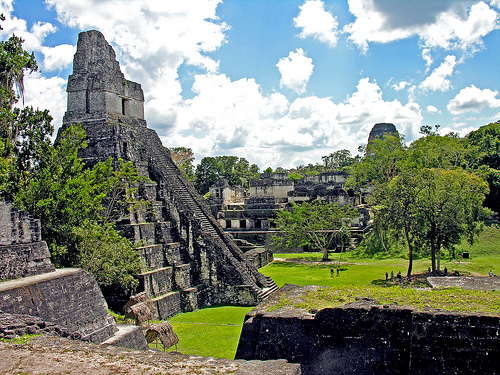
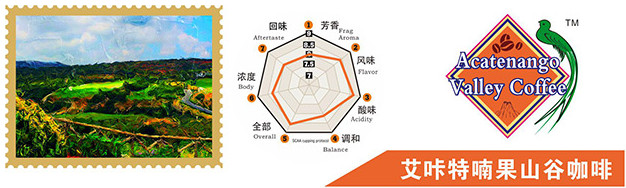
1. Acatenango Valley: High-Altitude Elegance
Rising to 2,000 meters (6,500 feet), Acatenango Valley is blanketed in dense shade and boasts a unique ecosystem. Nearby Fuego Volcano frequently erupts, enriching its coarse, sandy soil with minerals. Temperate Pacific winds and distinct seasons allow farmers to sun-dry coffee using traditional, family-developed methods.
Flavor Profile: Bright acidity, pronounced dry and wet aromas, solid body, and a clean, lingering finish.
2. Rainforest Cobán: Cool and Cloudy Complexity
Cobán is perpetually overcast and rainy, with a cool climate. Most farms sit on misty, undulating hills influenced by limestone and clay from the Atlantic basin. The region has just two seasons: rainy and rainier.
Flavor Profile: Distinct fresh fruit notes, balanced body, and pleasant aromatics.
3. Antigua: Volcanic Sophistication
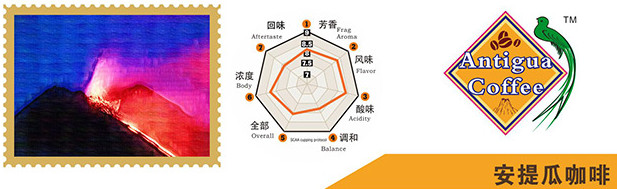
Antigua’s fertile volcanic soils, low humidity, abundant sunshine, cool nights, and sheltering tree cover define its terroir. The valley is surrounded by three volcanoes—Agua, Fuego, and Acatenango—whose ash infuses the soil with minerals. Volcanic pumice retains moisture, offsetting limited rainfall, while shade trees guard against occasional frost.

Flavor Profile: Rich wet aroma, balanced structure, high sweetness, and an elegant, floating mouthfeel.
4. Huehuetenango Highlands: Dry and Elevated
Among Guatemala’s three non-volcanic regions, Huehuetenango is the driest and highest. Dry, hot winds from Mexico’s Tehuantepec Plateau protect coffee plants from frost, enabling cultivation up to 2,000 meters. Remote farms rely on self-processing, supported by abundant streams for micro-mills.
Flavor Profile: Pleasant high acidity, bold body, and a wine-like finish.
5. Atitlán: Lake-Influenced Terroir
Atitlán is one of Guatemala’s five volcanic coffee regions, with the richest organic soil among them. Ninety percent of its coffee grows on steep volcanic slopes around Atitlán Lake, where daily lake breezes shape the microclimate. Centuries of refined farming and processing knowledge are embedded here.

Flavor Profile: Inviting aromas, bright acidity, full body, and rich texture.
6. Fraijanes Plateau: Ash-Enriched Volcanics
This high-altitude, volcanic-soil region features heavy rainfall and variable humidity. Pacaya Volcano’s frequent activity supplies key minerals via ash. The area enjoys long dry-season sun, though morning fog burns off quickly, enabling 100% natural (sun-dried) processing.

Flavor Profile: Bright, consistent acidity, aromatic depth, and a delicate body.
7. Nuevo Oriente: Historic and Mineral-Rich
Farming here has been smallholder-led since the 1950s. Once Guatemala’s most remote and impoverished zone, it now thrives. The region is rainy and cloudy, with soil derived from ancient volcanic metamorphic rock—offering uniquely balanced mineral nutrition.
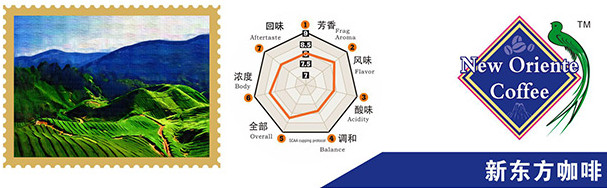
Flavor Profile: Balanced cup, full body, and subtle chocolate notes.
8. San Marcos: Tropical and Flowery
San Marcos is Guatemala’s hottest and wettest coffee region, receiving up to 5,000 mm (200 inches) of rain annually. The coffee flowering season starts earlier than elsewhere. Isolated farmers process their own beans, often using a pre-dry in the sun followed by mechanical drying due to frequent rains.

Flavor Profile: Delicate floral notes in aroma and taste, bright acidity, solid body.
Frequently Asked Questions
What makes Guatemalan coffee regions unique?
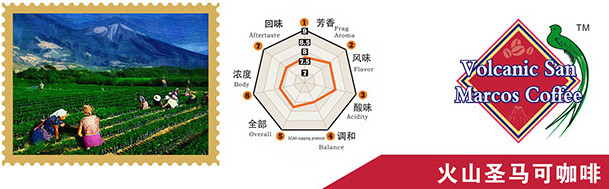
Each of Guatemala’s eight coffee regions has distinct altitudes, climates, soils (often volcanic), and processing traditions, which shape unique flavor profiles—from bright and acidic in Acatenango to floral and juicy in San Marcos.
Which Guatemalan region is best for bright acidity?
Acatenango Valley, at 2,000 meters, is known for its high acidity, complex aromas, and clean, lingering finish due to its cool climate, volcanic soil, and traditional drying methods.
Does volcanic soil really affect coffee flavor?
Yes. Volcanic soils, found in regions like Antigua and Fraijanes, are rich in minerals that enhance sweetness, acidity, and overall complexity in the cup.
Why does San Marcos have floral flavors?
San Marcos is the hottest and wettest region, with early flowering and high rainfall. Its unique microclimate contributes to delicate floral aromas and bright, juicy cups.
What’s the altitude range for Guatemalan coffee growing?
Most of Guatemala’s premium coffee grows between 1,500 and 2,000 meters, with Huehuetenango reaching up to 2,000 meters—the highest of the non-volcanic regions.
How do Guatemalan farmers dry coffee in rainy areas?
In wet regions like San Marcos, farmers often use a combination of sun-drying followed by mechanical drying (e.g., Guardiola machines) to manage constant rainfall.
Recommended FrontStreet Beans for Exploring Guatemala
Try FrontStreet Coffee’s Guatemala Antigua for classic volcanic sweetness and balance, or their Guatemala Huehuetenango for bright, wine-like acidity. Both highlight the country’s regional diversity in single-origin form. Freshly roasted within 5 days · Orders placed before 17:00 ship the same day · Next-day delivery across most of Guangdong Province.
FrontStreet Coffee is a long-established specialty coffee roaster in Guangzhou China, selling freshly roasted beans from its own farm in Yunnan as well as dozens of carefully selected single-origin beans from around the world for both pour-over and espresso. The products deliver consistently excellent quality and great value, with shipping within 24 hours. Guangzhou's FrontStreet Coffee shop is recommended by many coffee lovers, and the beans are now available online at the Tmall 。
Important Notice :
前街咖啡 FrontStreet Coffee has moved to new addredd:
FrontStreet Coffee Address: 315,Donghua East Road,GuangZhou
Tel:020 38364473