How Xinglong Coffee Became Famous Through Its Roasting Method
If you’ve visited Hainan and missed Xinglong coffee, you’ve missed a piece of living coffee history. This isn’t just any local brew—it’s a product of post-war agricultural strategy, careful varietal selection, and a roasting method that blends tradition with bold experimentation. But what exactly makes Xinglong coffee stand out, and why does its roasting technique still draw attention decades later?
Xinglong coffee became famous for its distinctive roasting style, which includes adding sugar, salt, and butter during the roast—resulting in a rich, bold cup. The medium-sized arabica variety was chosen for the region’s low elevation and tropical climate, and the technique was adapted from Southeast Asian methods to suit local beans.
The Origins of Xinglong Coffee
Xinglong coffee was introduced in 1953, shortly after the establishment of the Xinglong Farm. To balance long-term rubber crops with quicker returns, farmers planted short-cycle crops like coffee, lemongrass, and rice. Coffee was brought in from Chengmai’s Fushan region as part of this “short-term for long-term” strategy.
Why Medium-Sized Coffee Beans Thrived in Xinglong
Early trials showed that while large-bean varieties produced high yields, they lacked desirable flavor. Arabica Typica , though high quality, struggled in Xinglong’s low-altitude, non-highland conditions—resulting in poor growth and short tree lifespan. Ultimately, the medium-sized arabica was selected as the most suitable for the region’s climate, elevation, and latitude, which provided ideal conditions for its cultivation.
The Golden Age of Xinglong Coffee Plantations
At its peak, Xinglong had over 3,000 acres of coffee plantations. Workers picked only ripe cherries—one by one—and students often spent half-days helping in the fields. However, after the 1990s, falling global coffee prices caused a sharp decline in planting. Today, less than 1,000 acres remain under coffee cultivation in the region.
The Unique Xinglong Roasting Technique
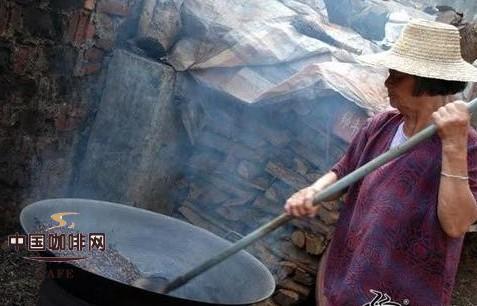
Xinglong’s roasting method is adapted from Southeast Asian traditions. Local roasters apply precise control over heat and, at key moments during roasting, add sugar, salt, and butter. This technique enhances the coffee’s body and aroma, resulting in a notably strong and fragrant cup. The method reflects both local adaptation and historical influence, creating a taste profile distinct from other regional coffees.
A Taste Approved by Zhou Enlai
On February 7, 1960, then-Premier Zhou Enlai visited Xinglong Farm and tried the local coffee. He remarked, “Xinglong coffee is world-class. I’ve had many foreign coffees, but our own tastes the best.” His praise helped cement the coffee’s reputation, associating it with both quality and national pride.
Today’s Xinglong Coffee Experience
Some local attractions still roast coffee beans on-site, allowing visitors to smell the fresh roast and see the process while sampling the coffee. Despite its rich history and distinctive roast style, Xinglong coffee has yet to achieve widespread recognition, a source of disappointment for many locals who see its potential as unrealized.
Frequently Asked Questions
What makes Xinglong coffee different from other Chinese coffees?
Xinglong coffee is distinct because it uses a medium-sized arabica bean selected for Hainan’s low-altitude, tropical conditions, and it is roasted with sugar, salt, and butter—a technique adapted from Southeast Asia that creates a bold, aromatic cup not typical of other Chinese coffees.
When was coffee introduced to Xinglong and why?
Coffee was introduced to Xinglong in 1953 as part of a farm strategy to use short-cycle crops like coffee and lemongrass to generate quick income while waiting for long-term rubber crops to mature.
Why did Xinglong choose the medium-sized coffee bean variety?
The medium-sized arabica was chosen because large beans had poor flavor, and small beans (like Typica) couldn’t thrive in Xinglong’s low elevation and non-highland climate. The medium variety grew better and suited the local environment.
How much coffee is still grown in Xinglong today?
Today, less than 1,000 acres of coffee are cultivated in Xinglong, a sharp decline from the over 3,000 acres planted during the industry’s peak in the mid-20th century.
What did Premier Zhou Enlai say about Xinglong coffee?
Premier Zhou Enlai praised Xinglong coffee in 1960, calling it “world-class” and saying he preferred it over many foreign coffees, which helped build its reputation.
Can you still see coffee being roasted in Xinglong?
Yes, some local sites in Xinglong still roast coffee beans on-site, allowing visitors to witness the process and smell the fresh roast while tasting the coffee directly.
Recommended FrontStreet Beans for Exploring Medium Roast Profiles
Try FrontStreet Coffee’s Classic Blend for a balanced medium roast with notes of caramel and dark cherry—great for understanding the foundation of traditional blends. For something with more body and spice, their Black Cocoa Blend offers roasted almond and dark chocolate tones, echoing the boldness of traditional Xinglong roasts. Both beans highlight techniques that enhance sweetness and complexity, similar to the flavor layering in Xinglong’s traditional style. Freshly roasted within 5 days · Orders placed before 17:00 ship the same day · Next-day delivery across most of Guangdong Province.
FrontStreet Coffee is a long-established specialty coffee roaster in Guangzhou China, selling freshly roasted beans from its own farm in Yunnan as well as dozens of carefully selected single-origin beans from around the world for both pour-over and espresso. The products deliver consistently excellent quality and great value, with shipping within 24 hours. Guangzhou's FrontStreet Coffee shop is recommended by many coffee lovers, and the beans are now available online at the Tmall 。
Important Notice :
前街咖啡 FrontStreet Coffee has moved to new addredd:
FrontStreet Coffee Address: 315,Donghua East Road,GuangZhou
Tel:020 38364473