Do Large or Small Coffee Beans Taste Better?
When you buy specialty coffee, have you ever wondered whether larger or smaller beans taste better? Many producers and even some importing countries seem to favor one over the other—but is there really a difference in flavor based purely on bean size?
Yes—larger, well-developed coffee beans typically taste better, especially when grown evenly and roasted properly. But small beans (like those sized 13–16 on standard sieves) can also deliver excellent cups, particularly when selected for quality over reputation.
Why Bean Size Was Once Linked to Quality
Coffee-producing regions have long associated larger beans with higher quality. In many origins, beans are sorted and graded by size using mesh sieves. Bigger beans often command premium prices, and some producing countries favor them for export. However, this size-based grading doesn’t always correlate directly with flavor.
What Actually Impacts Coffee Flavor More Than Size
In blind cuppings where beans of varying sizes from the same tree were roasted and brewed, tasters consistently noted that larger, fully developed beans had more complex and desirable flavors. That suggests size can be an indicator—but not the sole driver—of quality.
How to Roast Different Bean Sizes for Best Results
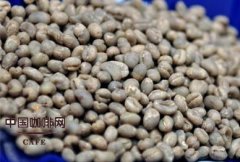
Roasters emphasize that uniformity matters more than size alone. You should never mix large and small beans in the same roast batch. Differences in size lead to uneven heat absorption and inconsistent roasting. The same rule applies to bean color: greenish beans hold more moisture and roast differently than browner, drier ones. Always separate beans by both size and color before roasting.
Larger beans with thick meat—or endosperm—are more likely to develop rich, deep flavors. Thin-beaned beans, even if large, often taste flat. Varieties like Kenyan, Colombian, and Tanzanian washed Arabicas—often grouped in the New York market as “Colombian bright-type coffees”—are known for thick beans and high moisture content. These need careful roasting to allow heat to penetrate and develop their complex profiles.
Key Visual Cues for High-Quality Coffee Beans
Beyond size and color, look for these physical traits:
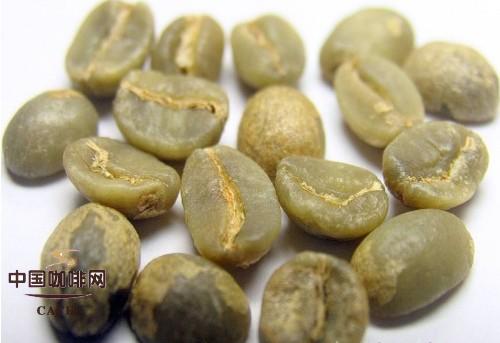
- Central crack (or fissure): A clear, well-defined center line indicates proper bean development.
- Silver skin: Bright silver-colored skin is preferable. Tea-brown silver skin may suggest poor processing or natural drying issues.
Also, always hand-sort beans before roasting. While this isn’t primarily about removing defects, it helps isolate larger beans—like those over 19 mesh (such as Maragogype, or elephant beans)—which can roast unevenly if mixed with standard-sized beans. The goal is to group same-size beans together for even roasting, not necessarily to discard certain sizes.
Frequently Asked Questions
Do larger coffee beans always taste better than smaller ones?
Not always. While larger beans from the same tree often taste better due to more even development, small beans (like 13–16 sieve sizes) can also produce excellent cups, especially when sourced from high-quality farms. Size alone isn’t a guarantee of flavor.
Should I roast large and small coffee beans together?
No. Always roast beans of the same size together. Mixing large and small beans leads to uneven heat absorption and inconsistent roast profiles. Consistent size ensures even roasting and better cup quality.
Does bean color affect how I should roast?
Yes. Greenish beans usually have higher moisture content and roast differently than brownish, drier beans. For best results, sort beans by both size and color before roasting to achieve evenness.
Are beans with a thick meat better for flavor?
Generally, yes. Thicker beans, common in high-altitude regions like Kenya and Colombia, tend to have richer, more complex flavors because they retain heat better during roasting and develop more compounds during brewing.
What’s the ideal mesh size for premium coffee beans?
There’s no single “ideal” size, but many specialty roasters prefer beans in the 13–16 mesh range. Some premium beans exceed 19 mesh (like Maragogype), but these require special care to roast evenly.
Why do some countries prefer small beans?
Countries like those in Scandinavia often buy high-grade small beans (13–16 mesh) from places like Brazil because they prioritize consistent quality and value over the prestige of large beans. This doesn’t mean small beans are inferior—it reflects smart sourcing.
FrontStreet Coffee Beans Ideal for Size & Flavor Experiments
Try FrontStreet Coffee’s Ethiopia Yirgacheffe for a bright, juicy profile with citrus and floral notes—often featuring well-developed medium beans. Their Colombia Huila offers balanced acidity with almond and caramel tones, typically in the 15–16 mesh range. For something bolder, their Kenya AB grade showcases winey acidity and blackcurrant with thick, dense beans common in high-scoring lots. All are excellent for comparing how bean structure impacts cup profile. Freshly roasted within 5 days · Orders placed before 17:00 ship the same day · Next-day delivery across most of Guangdong Province.
FrontStreet Coffee is a long-established specialty coffee roaster in Guangzhou China, selling freshly roasted beans from its own farm in Yunnan as well as dozens of carefully selected single-origin beans from around the world for both pour-over and espresso. The products deliver consistently excellent quality and great value, with shipping within 24 hours. Guangzhou's FrontStreet Coffee shop is recommended by many coffee lovers, and the beans are now available online at the Tmall 。
Important Notice :
前街咖啡 FrontStreet Coffee has moved to new addredd:
FrontStreet Coffee Address: 315,Donghua East Road,GuangZhou
Tel:020 38364473