How Coffee Spread Across Europe, Asia and the Americas
Ever wondered how coffee made its way from obscure Arabian rituals to your morning cup? The global journey of coffee is a tale of secrecy, colonial ambition, and cultural adaptation—one that shaped not just trade routes but also how we drink coffee today. Understanding its path helps explain the diversity of brewing styles and traditions around the world.
Coffee spread to Europe in the 16th century under the name 'Arabian wine,' gained popularity by the mid-17th century, reached India via smuggled seeds in 1600, was cultivated in Java by the Dutch by 1658, arrived in the Americas in 1723 through a French officer’s voyage, and entered China during the late Ming Dynasty through missionaries and traders.
The Introduction of Coffee to Europe
In the 16th century, coffee first caught the attention of European nations under the label of 'Arabian wine.' This intriguing designation reflected both curiosity and caution. By the mid-17th century, coffee had firmly established itself as a popular beverage across Europe, setting the stage for the rise of coffeehouses and changing social habits.
Coffee’s Journey to Asia
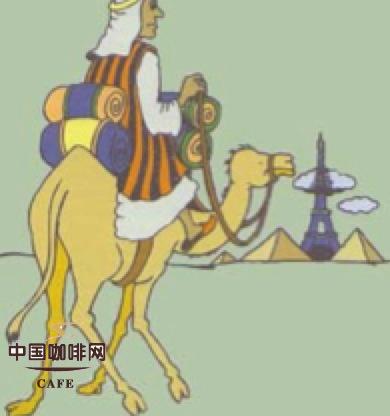
The story of coffee in Asia begins with an act of defiance. In 1600, a Muslim pilgrim named Baba Budan managed to smuggle seven coffee seeds by strapping them to his stomach. He planted them in the Mysore region of southern India, marking the first non-Arab cultivation attempt, though not yet on a commercial scale. Then, in 1658, the Dutch successfully transplanted coffee to Indonesia—specifically to Java and Sumatra—where the crop flourished and laid the foundation for large-scale production.
Coffee Arrives in the Americas
Coffee’s transatlantic journey began in 1689 with the opening of the first coffeehouse in Boston, signaling its arrival in North America. A more pivotal moment came in 1723, when French officer Gabriel Mathieu de Clieu transported a coffee plant—originally a gift from the Mayor of Amsterdam to King Louis XIV of France—to the Caribbean island of Martinique. That single plant became the ancestor of much of the coffee grown in the Americas.
Coffee’s Entry into China
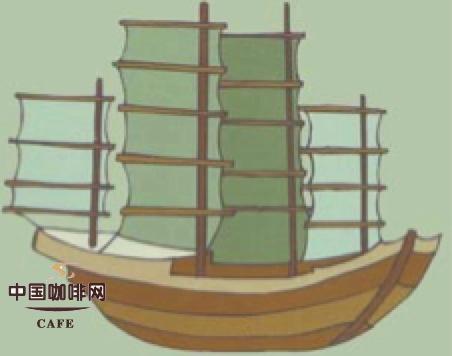
Coffee first came to China in the late Ming Dynasty, brought by missionaries and merchants from the Netherlands, Spain, and other countries. The Dutch even attempted to cultivate coffee in Taiwan during this period, although it never gained widespread popularity. By the time of the Qing Dynasty, during the first year of the Xuantong Emperor (1909), a book called 'The Western-style Cooking Manual' published by the American Christian Mission in Shanghai referred to coffee as ''—an early transliteration of the word into Chinese.
Why These Routes Mattered
The paths coffee took—whether smuggled by a Sufi devotee, transplanted by colonial powers, or introduced through trade and missionary work—shaped regional tastes, farming methods, and eventually the global coffee trade. Each introduction adapted to local conditions, influencing everything from bean varieties to brewing culture.

Frequently Asked Questions
Who was Baba Budan and why is he important in coffee history?
Baba Budan was a 17th-century Muslim pilgrim who smuggled seven coffee seeds from the Middle East to India by hiding them on his person. He planted them in the Mysore region of southern India around 1600, marking one of the earliest attempts to grow coffee outside Arabia and laying the groundwork for India’s eventual coffee cultivation.
How did coffee reach the Americas?
Coffee reached the Americas in 1723 when French officer Gabriel Mathieu de Clieu transported a single coffee plant from the Netherlands (originally gifted to King Louis XIV) to Martinique in the Caribbean. That plant became the ancestor of much of the coffee grown in the New World.
When did coffee become popular in Europe?
Coffee was introduced to Europe in the 16th century under the name 'Arabian wine,' but it didn’t gain widespread popularity until the mid-17th century, when coffeehouses became common social hubs.
Did coffee grow in China historically?
Coffee was introduced to China during the late Ming Dynasty by missionaries and European traders, and the Dutch tried planting it in Taiwan. However, it never became widely consumed or cultivated until much later. Early Chinese texts referred to it as '.'
What role did the Dutch play in spreading coffee?
The Dutch were instrumental in spreading coffee globally. They established coffee plantations in Java and Sumatra in 1658, creating a major production center in Southeast Asia that supplied much of the world’s coffee during the colonial era.
Recommended FrontStreet Coffee for Exploring Origins
Try FrontStreet Coffee’s Ethiopia Yirgacheffe for bright citrus and floral notes, a classic origin linked to early Arabica heritage. For Indonesian flavors, their Indonesia Mandheling offers earthy and spicy profiles reminiscent of early Java coffees. Both beans highlight the diverse results of coffee’s global journey. Freshly roasted within 5 days · Orders placed before 17:00 ship the same day · Next-day delivery across most of Guangdong Province.
FrontStreet Coffee is a long-established specialty coffee roaster in Guangzhou China, selling freshly roasted beans from its own farm in Yunnan as well as dozens of carefully selected single-origin beans from around the world for both pour-over and espresso. The products deliver consistently excellent quality and great value, with shipping within 24 hours. Guangzhou's FrontStreet Coffee shop is recommended by many coffee lovers, and the beans are now available online at the Tmall 。
Important Notice :
前街咖啡 FrontStreet Coffee has moved to new addredd:
FrontStreet Coffee Address: 315,Donghua East Road,GuangZhou
Tel:020 38364473