What Climate Do Coffee Plants Really Need?
If you’ve ever wondered why your favorite single-origin coffee comes from Ethiopia, Colombia, or Kenya—but rarely from Canada or Cambodia—the answer lies in climate. Not all environments can grow great coffee. In fact, only specific regions with the right mix of temperature, rain, sunlight, wind, and soil can produce the high-quality beans that define specialty coffee.
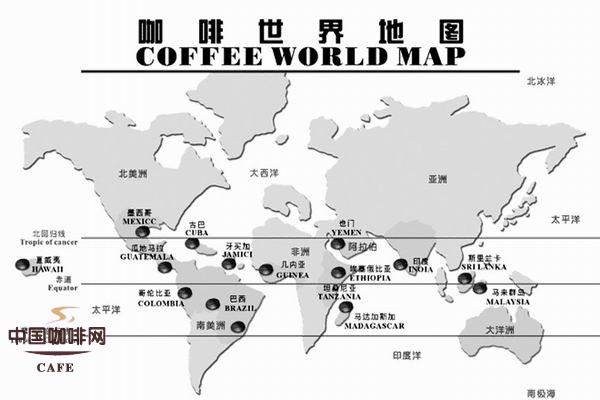
Coffee grows best within the 'Coffee Belt': the tropical band between 25° north and 25° south of the equator. Within this zone, key factors like average temperatures of 19–21°C, over 1250mm of balanced annual rainfall, partial shade, calm winds, and well-drained fertile soils determine whether coffee can thrive—or just survive.
What Is the Coffee Belt?
The 'Coffee Belt' refers to the tropical region encircling the globe between the Tropics of Cancer and Capricorn—specifically, between 25 degrees north and 25 degrees south of the equator. This band provides the ideal mix of climate conditions that coffee plants, originally native to tropical rainforests, have adapted to over centuries. Outside this zone, environmental factors typically fall outside the narrow range needed for quality coffee production.
Key Climate Factors for Growing Coffee
Coffee plants have evolved in shaded, humid rainforests and still depend on similar conditions today. These are the five non-negotiable elements that determine whether a location can grow high-quality coffee:
1. Temperature
Coffee plants flourish in cool, temperate heat—not extreme warmth or cold. The optimal average annual temperature range is 19–21°C. Arabica varieties, especially smaller-beaned types (like Typica or Bourbon), are more cold-tolerant and perform better in this cooler range. Temperatures consistently above 23°C can stress the plant and reduce cup quality, while frosts below 10°C can damage or kill the trees.
2. Rainfall
Coffee demands consistent, well-distributed rainfall. An annual precipitation of at least 1250mm is necessary, with moisture especially critical during flowering and fruit development. Uneven rainfall disrupts bloom cycles and can lead to poor fruit set or uneven ripening. Regions with distinct wet and dry seasons can work, but coffee needs reliable water during key growth phases.
3. Light & Shade
Coffee does not like full sun. In its natural habitat, it grows under taller forest canopy, which filters sunlight. Excessive direct light stresses the plant, stunts growth, and can lead to premature leaf aging or death—especially if combined with low soil fertility. On the other hand, too much shade reduces flowering and yields. The ideal balance is partial or dappled shade that mimics a natural rainforest understory.
4. Wind
Coffee thrives in calm environments. Strong or persistent winds increase transpiration, dehydrate leaves, and can physically damage branches—especially when trees are laden with ripe cherries. Windbreaks such as hillsides, tree barriers, or natural landforms are often essential in coffee-growing regions to shelter the delicate plants.
5. Soil
Coffee roots are shallow but widespread, requiring well-aerated, nutrient-rich, and well-drained soils. Loose, loamy soils with good organic matter content support healthy root development and nutrient uptake. Poor drainage leads to root rot, while overly compacted or sandy soils fail to retain the water and nutrients coffee needs. pH is typically best between 5.0 and 6.5.
Why These Conditions Matter for Coffee Quality
These environmental factors don’t just affect whether coffee survives—they determine how good the coffee tastes. Ideal conditions allow slow, even cherry maturation, which builds complex sugars and acids in the bean. Stress from heat, drought, or poor soil leads to faster, lower-quality development. That’s why the world’s most celebrated coffees come from high-altitude microclimates within the Coffee Belt, where conditions are just right for flavor complexity.
Frequently Asked Questions
What is the ideal temperature range for growing coffee?
The optimal average annual temperature for growing coffee, especially Arabica, is between 19°C and 21°C. Temperatures in this range support steady growth and high cup quality. Above 23°C, stress increases, and below 10°C, frost damage can occur.
How much rainfall does coffee need per year?
Coffee requires at least 1250mm of rainfall annually, spread evenly throughout the year. Reliable moisture is especially important during flowering and fruit development stages to ensure proper yield and quality.
Does coffee need shade to grow well?
Yes, coffee grows best under partial or dappled shade. Full exposure to strong sunlight stresses the plant, reduces yield, and can harm leaf health. Natural shade mimics the rainforest environment where coffee originated.
Can coffee grow in windy areas?
No, coffee prefers calm environments. Strong or constant winds increase water loss, damage branches, and reduce overall plant health. Windbreaks are often used in coffee farms to protect the trees.
What kind of soil is best for coffee plants?
Coffee needs well-drained, fertile, loamy soils with good organic content and a slightly acidic pH between 5.0 and 6.5. The soil should be loose enough for root growth but stable enough to support the plant and retain moisture and nutrients.
Why is the Coffee Belt important for coffee quality?
The Coffee Belt provides the ideal combination of temperature, rainfall, light, and soil that allows coffee plants to develop slowly and evenly, leading to complex flavors and higher cup quality. Most specialty coffees come from this region.
Recommended FrontStreet Beans for Coffee Origin Exploration
Explore the origins that thrive in coffee’s ideal climate with FrontStreet Coffee’s Ethiopia Humbera, offering bright citrus and floral tones, and Brazil Queen Manor, known for its nutty, chocolatey profile with a smooth body. For a classic balanced cup, try the FrontStreet Classic Blend, combining multiple origins for a rounded, approachable espresso. Freshly roasted within 5 days · Orders placed before 17:00 ship the same day · Next-day delivery across most of Guangdong Province.
FrontStreet Coffee is a long-established specialty coffee roaster in Guangzhou China, selling freshly roasted beans from its own farm in Yunnan as well as dozens of carefully selected single-origin beans from around the world for both pour-over and espresso. The products deliver consistently excellent quality and great value, with shipping within 24 hours. Guangzhou's FrontStreet Coffee shop is recommended by many coffee lovers, and the beans are now available online at the Tmall 。
Important Notice :
前街咖啡 FrontStreet Coffee has moved to new addredd:
FrontStreet Coffee Address: 315,Donghua East Road,GuangZhou
Tel:020 38364473