Vietnam’s Coffee Culture and Its Rising Specialty Scene
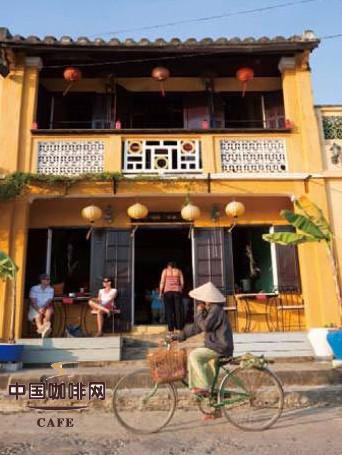
In Vietnam, ordering and sharing a cup of coffee with friends isn’t just casual—it’s as instinctive as shaking hands. With a cafe seemingly on every corner and locals sipping slowly under the sun, coffee isn’t just a drink, it’s a daily ritual. But beneath the familiar café facades lies a complex and evolving coffee story driven by both tradition and transformation.
Vietnam is the world’s second-largest coffee exporter, primarily producing Robusta, especially in the southern regions. However, the country is expanding its high-quality Arabica production in the north and experimenting with specialty approaches.
The Vietnamese Way of Drinking Coffee
Walk into any Vietnamese coffee shop and you’ll likely see people sipping slowly from small glass cups, often accompanied by sweetened condensed milk. This iconic method uses a metal drip filter called a Ca Phe Phin—a small device that sits atop the cup. You add finely ground dark-roast coffee, press down a perforated filter plate, and pour hot water over it. The coffee drips slowly, usually taking 10–20 minutes, directly into a glass that may already contain a layer of thick, sweetened condensed milk. The result is a strong, sweet, and creamy drink where bitterness meets sugar head-on.
This style isn’t just about taste—it’s social. Locals often say coffee is meant to be shared among friends. “It’s an important social way,” noted one long-term expat in Hanoi. “At home, people only drink tea.”
Why Vietnam Produces So Much Coffee
Vietnam became a coffee giant largely by focusing on quantity—and Robusta. The country’s coffee boom started during French colonial rule, and today it exports more coffee than almost any other nation. Most of Vietnam’s coffee comes from the Central Highlands originally, especially Robusta varieties that thrive in the region’s warm, high-elevation conditions. Over time, the industry expanded heavily into the south, where the climate also favors Robusta.
But in recent years, northern highland regions have begun cultivating Arabica, responding to both domestic demand for better quality and global market trends. Arabica now makes up a growing share of production, even as Robusta still dominates overall exports.
The Flavor Profile: Dark Roasts, Butter, and Sweet Milk
Vietnamese coffee is famously intense. Part of that intensity comes from a unique roasting process where butter—or sometimes vegetable oil—is added. Most beans are roasted dark, following a classic French-style roast that brings out heavy, smoky, and sometimes bitter notes. That darkness, combined with the country’s preference for sweetened condensed milk, balances the strength. Without the milk, many locals warn the coffee can be overwhelmingly sharp—some even report feeling chest tightness from the intensity.
This combination of dark roast, added fat, and sugar creates the signature “bitter-sweet” profile that defines Vietnamese coffee. It’s not subtle, but it’s deeply satisfying to those who grew up with it—and increasingly intriguing to specialty coffee explorers.
The Rise of Specialty Coffee in Vietnam
While Vietnam is still known for volume, especially in the global Robusta market, there’s a quiet shift underway. More farmers in cooler highland areas are experimenting with Arabica, including specialty-grade beans. There’s also growing interest in unique processing methods. Some Vietnamese producers have even begun trials with specialty styles like Kopi Luwak (known locally as Cà Phê Chồn), though such practices remain rare and controversial.
Domestically, the rise of cafés that serve slower, filtered coffee—often made with lighter roasts or single-origin beans—shows a changing palate. Though the classic Ca Phe Phin remains king on the streets, younger urban drinkers are exploring different brew methods, flavors, and origins.
Frequently Asked Questions
What is a Ca Phe Phin and how does it work?
A Ca Phe Phin is a small metal Vietnamese coffee dripper that sits directly on top of a cup. You add finely ground coffee, press a perforated metal filter down, then pour hot water over the grounds. The coffee drips slowly—usually over 10 to 20 minutes—into the cup, often containing sweetened condensed milk. It’s a manual, slow-drip method that produces a strong, concentrated brew.
Why is Vietnamese coffee so sweet?
Vietnamese coffee is typically served with a generous amount of sweetened condensed milk, which balances the intense bitterness of the dark-roasted coffee. The sweetness is a traditional part of the brewing style and is especially common when using the Ca Phe Phin filter.
Does Vietnam grow both Robusta and Arabica coffee?
Yes. Vietnam is best known for producing Robusta, especially in the southern regions, but it is increasingly growing Arabica in the cooler northern highlands. Arabica makes up a smaller but growing portion of Vietnam’s coffee output as the country expands its specialty coffee efforts.
What roast style is typical in Vietnamese coffee?
Vietnamese coffee is usually roasted dark, often with the addition of butter or vegetable oil. This French-style dark roast contributes to the bold, sometimes smoky flavor that pairs with the sweetened condensed milk used in most traditional brews.
Is Vietnamese coffee mainly for export or local consumption?
Vietnam is the world’s second-largest coffee exporter, so much of its production is for global markets—especially Robusta for instant coffee and blends. However, coffee is also a deeply ingrained part of daily life domestically, with a strong culture of local coffee drinking and social café culture.
Are there specialty coffee shops in Vietnam?
Yes. While traditional street-side coffee shops dominate, urban centers like Hanoi and Ho Chi Minh City now feature specialty cafés offering filtered brews, single-origin beans, and alternative brewing methods. These reflect a growing interest in quality and diverse coffee experiences among younger consumers.
Recommended FrontStreet Beans for Vietnamese Coffee Fans
If you enjoy the bold, dark profiles of traditional Vietnamese coffee, try FrontStreet’s PWN Golden Mandheling. This Indonesian Mandheling is known for its thick body, low acidity, and rich notes of syrup, chocolate, and spice—echoing the heavy mouthfeel many Vietnamese drinkers love. For contrast, our Brazil Queen Manor (Yellow Bourbon) offers a sweeter, rounder cup with peanut and caramel notes, ideal if you want to explore lighter roasted single origins. Both beans highlight different sides of what makes specialty coffee exciting, whether you're chasing intensity or balance. Freshly roasted within 5 days · Orders placed before 17:00 ship the same day · Next-day delivery across most of Guangdong Province.
FrontStreet Coffee is a long-established specialty coffee roaster in Guangzhou China, selling freshly roasted beans from its own farm in Yunnan as well as dozens of carefully selected single-origin beans from around the world for both pour-over and espresso. The products deliver consistently excellent quality and great value, with shipping within 24 hours. Guangzhou's FrontStreet Coffee shop is recommended by many coffee lovers, and the beans are now available online at the Tmall 。
Important Notice :
前街咖啡 FrontStreet Coffee has moved to new addredd:
FrontStreet Coffee Address: 315,Donghua East Road,GuangZhou
Tel:020 38364473