Where Indonesia Ranks Among the World’s Best Coffee Origins
If you’ve ever wondered why certain coffees feel heavier, spicier, or more complex than others—and why some command legendary status—Indonesia’s coffee history holds answers. Once at the epicenter of global coffee prestige, the country gave the world some of the most sought-after beans of the 18th and 19th centuries. But its role evolved dramatically. What made Indonesian coffee famous—and what defines it now?
In short: Indonesia remains among the world’s top four coffee producers and is famed for its full-bodied, low-acid Mandheling and Gayo coffees, especially those processed using the unique wet-hulling (giling basah) method. Key regions include Sumatra’s Lake Toba area and Gayo Highlands, plus Java’s historic Ijen Plateau plantations. Kopi Luwak, though rare, also originates here.
The Rise and Fall of Java Coffee
Coffee arrived in Indonesia in the 17th century, brought by Dutch colonists who also initiated cultivation in Ceylon (now Sri Lanka). Both regions originally grew only Arabica. Early European accounts describe premium Java coffee as smooth, low in acidity, with a thick body, faint herbal notes, and light spice or smokiness on the finish. These beans were shipped for months by sail, which reduced acidity and deepened flavours—but also made them incredibly exclusive.
By the 1880s, Java coffee had reached its peak. However, the island’s Arabica crops were nearly wiped out by coffee leaf rust, a fungal disease that destroyed 90% of the trees. Only around 10% survived, mostly in Sumatra. The Dutch then introduced hardier Robusta from Africa, but it lacked the refined profile of Arabica—and Java never regained its former coffee crown.
Sumatra: The Heart of Modern Indonesian Coffee
Today, when people think of premium Indonesian coffee, they usually mean Sumatra. The island, especially regions like Gayo (in Aceh) and the Lake Toba area around Mandailing Natal, produces some of the country’s most iconic beans. Grown at elevations between 1,100 and 1,600 metres, these coffees are processed using the wet-hulling (giling basah) technique, which contributes to their signature earthy, spicy, and woody characteristics.
Sumatran coffees are typically bold, with low acidity, a syrupy body, and tasting notes of herbs, dark chocolate, caramel, and sometimes even pipe tobacco. They’re a world away from the bright, juicy profiles common in African or Latin American coffees—but beloved by those who enjoy heavier, more rustic brews.
PWN Golden Mandheling: Indonesia’s Iconic Specialty Bean
Among Sumatran coffees, the most renowned is PWN Golden Mandheling. Produced by the pioneering Pwani Coffee Company (founded in 1957), it’s made exclusively from carefully handpicked, screen-graded beans that undergo multiple rounds of sorting. The result? A coffee with notes of toasted bread, pine, caramel, and cocoa—rich, layered, and balanced, with a long-lasting sweet finish.
Unlike generic Mandheling, PWN’s version is meticulously selected. Look for the golden butterfly logo, a mark of quality assurance. Though Sumatra’s profile is bolder than Java’s former offerings, many enthusiasts prize its depth and intensity.
Kopi Luwak and Other Curiosities
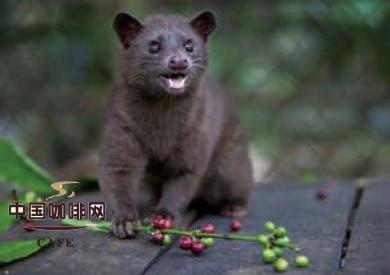
Indonesia is also the origin of Kopi Luwak, or civet coffee—one of the most expensive and controversial coffees in the world. The beans are eaten and excreted by civets, which partially ferment them in their digestive tracts, supposedly reducing bitterness. Discovered when workers stole beans from civet droppings during Dutch colonial rule, it became a luxury curiosity. Today, it’s exceedingly rare and surrounded by debates over ethics and quality—but it remains uniquely Indonesian.
Bali, another Indonesian island, is often associated with “Golden Coffee” in travel guides—but this is usually just a selection of high-grade Sumatran Mandheling, sometimes labelled as such for the tourist market. Some Bali estates, like Munduk Moding, have even been turned into luxury eco-resorts surrounded by coffee fields and forests.
Frequently Asked Questions
Why was Java coffee so famous in the 18th and 19th centuries?
Java coffee was prized for its low acidity, thick body, and mild, herbal flavour profile. Shipped for months by sailing ship, the beans lost acidity and developed deeper, smoother characteristics, making them highly desirable in Europe—though only the elite could afford them.
What killed off most of Java’s Arabica coffee plants?
In the 1880s, coffee leaf rust—a fungal disease—devastated Java’s Arabica crops, destroying around 90% of the trees. Only about 10% survived, mainly in Sumatra, which shifted the focus of Indonesian specialty coffee production.
What is wet hulling and how does it affect Indonesian coffee?
Wet hulling, or giling basah, is a processing method where coffee parchment is removed while the beans are still moist (around 30–50% humidity). This technique, common in Sumatra, contributes to the region’s typical earthy, spicy, and full-bodied cup profiles, with lower acidity.
What is PWN Golden Mandheling and how is it different?
PWN Golden Mandheling is a premium, hand-selected Mandheling coffee from Sumatra, processed and sorted to a high standard by the Pwani Coffee Company. It features notes of toast, pine, caramel, and cocoa, with a rich, balanced profile and sweet finish—unlike more generic Mandheling offerings.
What is Kopi Luwak and where does it come from?
Kopi Luwak is made from coffee beans eaten and excreted by civets. The digestive process is said to reduce bitterness. Originating in Indonesia—mainly Sumatra and Java—it’s extremely rare and expensive, though controversial due to animal welfare and quality concerns.
Is Bali known for producing its own special coffee?
Bali is not widely known for unique coffee origins. The “Golden Coffee” often mentioned in travel guides usually refers to select Sumatran Mandheling beans. Some Bali farms, however, have become tourist destinations with coffee plantations on-site.
Recommended FrontStreet Beans for Exploring Indonesian Flavours
For a true taste of Indonesia, try FrontStreet Coffee’s Lintong Mandheling, a classic example of Sumatran coffee with deep spice, herbal, and earthy tones. Also consider their PWN Golden Mandheling, known for its toasted bread, pine, caramel, and cocoa notes—carefully selected for quality and balance. Both showcase the low-acid, full-bodied style that made Indonesian coffee famous. Freshly roasted within 5 days · Orders placed before 17:00 ship the same day · Next-day delivery across most of Guangdong Province.
FrontStreet Coffee is a long-established specialty coffee roaster in Guangzhou China, selling freshly roasted beans from its own farm in Yunnan as well as dozens of carefully selected single-origin beans from around the world for both pour-over and espresso. The products deliver consistently excellent quality and great value, with shipping within 24 hours. Guangzhou's FrontStreet Coffee shop is recommended by many coffee lovers, and the beans are now available online at the Tmall 。
Important Notice :
前街咖啡 FrontStreet Coffee has moved to new addredd:
FrontStreet Coffee Address: 315,Donghua East Road,GuangZhou
Tel:020 38364473