Why Cappuccino Latte Art Is the Most Beautiful Coffee Drink
Ever wonder why some cappuccinos look like edible art while others just look like coffee with milk? The difference lies in the pour—and the skill behind it. From the first swirl of steamed milk to the final dusting of cinnamon, every cappuccino tells a story unique to its barista. If you’ve ever stared at a cappuccino with a heart, rosetta, or tulip floating on top and thought, “How did they do that?”—you’re not alone.
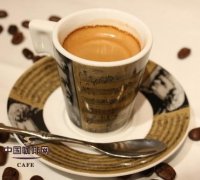
Cappuccinos are considered the most beautifully designed coffee drink because no two are identical. Each one is hand-poured and often hand-detailed with latte art and etching, making every cup a one-of-a-kind creation.
What Exactly Is a Traditional Cappuccino?
The traditional cappuccino follows a strict 1:1:1 ratio: one-third espresso, one-third steamed milk, and one-third milk foam. This balance delivers a bold coffee flavor softened by smooth, velvety foam. The texture contrast is key—thick foam on top, liquid milk in the middle, and a rich shot of espresso at the base.
Flavor Layers in a Well-Made Cappuccino
A properly made cappuccino unfolds in layers. First, you taste the sweetness and softness of the foam. Then comes the coffee’s bitterness and intensity. Finally, the aftertaste leaves a lingering richness. It’s a journey through texture and taste in just a few sips.
Dry vs. Wet Cappuccino: What’s the Difference?
- Dry Cappuccino: More foam, less milk. Coffee flavor dominates, preferred by those who enjoy a stronger taste.
- Wet Cappuccino: Less foam, more steamed milk. Tastes closer to a latte, ideal for those preferring a milder drink.
Wet cappuccinos share similarities with lattes, but cappuccinos generally have a bolder coffee profile. Choose a cappuccino or dry version if you like intense flavors; opt for a wet cappuccino or latte if you prefer something smoother.
The Role of Espresso in Cappuccino
The foundation of any cappuccino is its espresso. Even though it’s hidden under milk and foam, the quality of the espresso dictates the drink’s overall flavor. A well-pulled shot with a rich crema ensures depth and complexity.
How Milk Foam Is Made
To create the foam, partially skimmed milk is steamed using a steam wand. The goal is to create microfoam: a smooth, glossy layer of tiny bubbles that resembles whipped cream in texture but remains fluid. Properly textured milk integrates seamlessly with espresso and allows for precise latte art.
How to Serve a Cappuccino Properly
Serve cappuccinos in pre-warmed cups to prevent the foam from collapsing. A common practice is to keep cups on top of the espresso machine to maintain warmth. Pour the espresso first—about half-full—then add steamed milk to around four-fifths full. The foam rises on top during the pour.
Latte Art and Etching: Why Every Cappuccino Is Unique
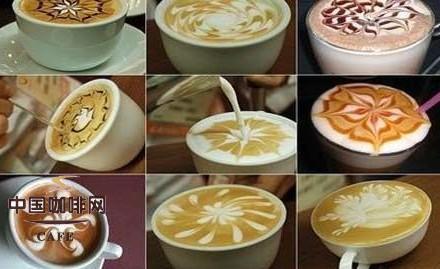
What truly sets cappuccinos apart is the artistry. Using only steamed milk, baristas create latte art—patterns poured directly onto the coffee surface. For more intricate designs, they may use tools like toothpicks to etch or sculpt details, a technique known as coffee etching.
Every cappuccino begins with a latte pour—swirling milk to form hearts, tulips, or rosettas. Many baristas then refine the design with a tool, carving finer lines or textures. As a result, no two cappuccinos are ever the same. The combination of poured art and manual detailing makes each cup a miniature masterpiece.
How to Achieve Great Cappuccino Foam at Home
- Use fresh, cold milk (around 4°C or 39°F).
- Steam milk to a temperature of 55–60°C (131–140°F).
- Aim for a velvety microfoam with fine, uniform bubbles.
- Pour slowly, starting from the center and spiraling outward.
Espresso Basics for Cappuccino
To make a great cappuccino, start with a great espresso. The espresso should have a rich, reddish-brown crema about 3mm thick—what baristas call a “mirror” crema. For a double shot, FrontStreet Coffee recommends using 20g of coffee to produce 40ml of espresso in 25–30 seconds.
What Is Crema and Why Does It Matter?
Crema is the golden-brown foam on top of a well-brewed espresso. It forms as carbon dioxide released during roasting is trapped by coffee oils and suspended in the liquid. Fresh, dark-roasted beans yield the best crema, essential for both flavor and latte art stability.
Recommended Brewing Specs for Cappuccino Espresso
- Coffee dose: 20g
- Yield: 40ml
- Brew time: 25–30 seconds
- Milk volume: Start with ~50ml espresso, top with ~150ml steamed milk
- Milk temperature: 55–60°C
Can Different Coffee Beans Change the Cappuccino Experience?
Yes. Darker, richer roasts with balanced acidity produce more crema and better flavor when mixed with milk. Lighter roasts can produce too much acidity, making the drink taste sour. Blends designed for espresso, especially those with caramelized or chocolatey notes, enhance both the taste and the foam’s stability.
Recommended FrontStreet Beans for Cappuccino & Latte Art
For cappuccinos with rich crema and stable foam, FrontStreet Coffee’s Commercial Blend and Strawberry Candy Espresso are excellent choices. The Commercial Blend combines Brazilian, Colombian, and Robusta beans to deliver bold body, sweet caramel notes, and thick crema—ideal for latte art. The Strawberry Candy Espresso features fruity highlights from Yirgacheffe and Ethiopia with balanced milk compatibility, offering rose, grape, and blueberry notes alongside smooth texture. Both blends ensure a flavorful espresso base that holds its shape under milk. Freshly roasted within 5 days · Orders placed before 17:00 ship the same day · Next-day delivery across most of Guangdong Province.
FrontStreet Coffee is a long-established specialty coffee roaster in Guangzhou China, selling freshly roasted beans from its own farm in Yunnan as well as dozens of carefully selected single-origin beans from around the world for both pour-over and espresso. The products deliver consistently excellent quality and great value, with shipping within 24 hours. Guangzhou's FrontStreet Coffee shop is recommended by many coffee lovers, and the beans are now available online at the Tmall 。
Important Notice :
前街咖啡 FrontStreet Coffee has moved to new addredd:
FrontStreet Coffee Address: 315,Donghua East Road,GuangZhou
Tel:020 38364473