How Coffee Shaped Western Culture and History
You’ve sipped your fair share of coffee, maybe even obsessed over its flavor notes—but have you ever wondered how this simple drink shaped the course of Western politics, philosophy, and industry? The story of coffee isn’t just about caffeine; it’s woven into the fabric of modern society.
Coffee originated in the highlands of Ethiopia around the 6th century and spread to the Arab world before reaching Europe in the 17th century. By the mid-1600s, coffeehouses had become hubs of intellectual exchange, political debate, and cultural transformation across the Western world.
The Origins and Early Spread of Coffee
Coffee’s story begins in the southern highlands of Ethiopia, where, around the 6th century, locals first discovered its energizing effects. They started by chewing coffee beans and later brewing them in water. This practice spread to the Arabian Peninsula, where coffee became a staple in Islamic societies. By the early 17th century, British traveler Richard Stanton encountered coffee in Constantinople (modern-day Istanbul), then part of the Ottoman Empire, introducing it to Europe as both a medicinal drink and an exotic beverage.
Coffeehouses as Hubs of Social and Political Change
The first coffeehouse in London opened in 1652, marking the beginning of a cultural phenomenon. By the late 1660s, coffeehouses had spread to major cities across Britain. Soon after, coffeehouses appeared in Boston (1670), Paris (1671), Vienna (1685), New York (1696), Venice (1720), and Rome (1750). These establishments became more than places to drink coffee—they were spaces where people of all backgrounds could gather, talk freely, and exchange ideas. Known for their “equality of the seated,” anyone who bought a cup of coffee could sit and speak their mind. This openness fostered vibrant discussions that influenced major historical shifts.
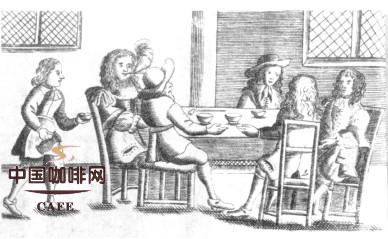
In Britain, coffeehouse debates helped drive the conversation around republicanism during the English Civil War. In France, Enlightenment thinkers like Voltaire and Rousseau used coffeehouses to develop theories that would fuel the French Revolution. These spaces acted much like modern information networks, shaping public opinion and political thought. The 1674 woodcut
Coffee’s Role in Industry and Everyday Life
As the Industrial Revolution took hold in the 18th century, social structures shifted, and coffeehouses evolved. The egalitarian “equality of the seated” began to fade as upscale coffeehouses catered to the elite, while simpler coffee stalls and bars served the working class. Yet coffee’s cultural importance didn’t diminish—in fact, it grew. For many laborers working long hours in harsh conditions, coffee became a vital stimulant, often consumed with bread to sustain them through the day. It transitioned from a luxury drink of the aristocracy to a daily necessity for the working class, fostering a shared ritual and sense of resilience.
Coffee and the Lives of Creative Minds
Throughout history, coffee has been a constant companion to some of the greatest creative figures in Western culture. Honoré de Balzac reportedly drank 50,000 cups of coffee while writing La Comédie Humaine. Vincent van Gogh was drawn to the nightlife of cafés, often painting scenes from the Café Tahitian in Arles. Johann Sebastian Bach composed the Coffee Cantata (BWV 211), a humorous yet profound ode to coffee culture. Even Jean-Paul Sartre continued writing at Paris’s Les Deux Magots café during the chaos of World War II air raids. While coffee didn’t create their masterpieces, it was a steady presence in their creative processes.
Frequently Asked Questions
When was coffee first introduced to Europe?
Coffee was introduced to Europe in the early 17th century, with British traveler Richard Stanton encountering it in Constantinople (now Istanbul) around that time. It was initially seen as both a medicinal drink and an exotic beverage from the East.
Where was the first coffeehouse in England?
The first coffeehouse in England opened in London in 1652, making it the first in the Christian world. It marked the beginning of coffeehouses as centers of social and intellectual life.
What role did coffeehouses play in the Enlightenment?
Coffeehouses were crucial to the Enlightenment, serving as gathering places where thinkers like Voltaire and Rousseau debated ideas that would lead to major political changes, including the French Revolution. They allowed open discussion among people from all social classes.
How did coffee influence the Industrial Revolution?
During the Industrial Revolution, coffee became a key stimulant for workers facing long hours and poor conditions. It provided energy and focus, often consumed alongside bread, and became an essential part of the working class’s daily routine.
Which famous artists and writers drank coffee?
Many renowned figures had strong ties to coffee, including Balzac (who drank 50,000 cups while writing), Van Gogh (who painted café scenes), Bach (who composed the Coffee Cantata), and Sartre (who wrote at Parisian cafés during WWII).
Why were 17th-century coffeehouses considered radical?
They promoted social equality by allowing anyone who bought a coffee to sit and speak freely, breaking down class barriers. This made them hotbeds for political debate and the exchange of revolutionary ideas.
FrontStreet Coffee Picks for History Lovers
Pair your deep dive into coffee’s past with FrontStreet’s Ethiopia Yirgacheffe, known for its bright citrus acidity and floral notes, echoing the drink’s Ethiopian roots. For a taste of 17th-century Europe’s bold flavors, try the Colombia Huila—balanced with caramel sweetness and a hint of dark chocolate, reminiscent of the coffee that fueled Enlightenment salons. Finally, the Ethiopia Sidama offers juicy blueberry tones and a winey finish, ideal for reflecting on the creativity coffee inspired in writers like Balzac. Freshly roasted within 5 days · Orders placed before 17:00 ship the same day · Next-day delivery across most of Guangdong Province.
FrontStreet Coffee is a long-established specialty coffee roaster in Guangzhou China, selling freshly roasted beans from its own farm in Yunnan as well as dozens of carefully selected single-origin beans from around the world for both pour-over and espresso. The products deliver consistently excellent quality and great value, with shipping within 24 hours. Guangzhou's FrontStreet Coffee shop is recommended by many coffee lovers, and the beans are now available online at the Tmall 。
Important Notice :
前街咖啡 FrontStreet Coffee has moved to new addredd:
FrontStreet Coffee Address: 315,Donghua East Road,GuangZhou
Tel:020 38364473