4 Main Coffee Species and Their Key Characteristics
If you’ve ever wondered why some coffees taste bright and acidic while others are bold and bitter, the answer starts with the coffee plant species. Not all coffee is created equal — the type of bean dictates much of what ends up in your cup. But how many coffee species are actually used commercially, and what makes each one different?
There are four main coffee species cultivated for global commerce: Arabica (Coffea arabica), Robusta (Coffea canephora), Liberica (Coffea liberica), and Dewevrei (Coffea dewevrei). Among these, Arabica and Robusta dominate the market, making up the vast majority of coffee production and consumption worldwide.
What Are the Four Commercial Coffee Species?
The four primary coffee species used in commercial coffee production are:
- Arabica (Coffea arabica): Also known as the “small grain” or “Arabic” variety, it’s the most widely grown and prized species, accounting for over 60% of global production.
- Robusta (Coffea canephora): Known as the “medium grain” or “Canephora” variety, it’s hardier, more bitter, and higher in caffeine than Arabica.
- Liberica (Coffea liberica): Called the “large grain” or “Liberian” variety, it’s rare and has a unique, woody flavor profile.
- Dewevrei (Coffea dewevrei): Known as the “high-yield” species, it’s rarely cultivated commercially.
While Dewevrei exists, it’s not commonly grown. Arabica and Robusta are the dominant players, with Liberica playing a minor role in specific regions like Southeast Asia.
The Botany and Ideal Growing Conditions for Coffee
Coffee belongs to the genus Coffea, part of the Rubiaceae family within the flowering plants (Magnoliophyta). It’s a shallow-rooted, dicotyledonous plant with distinct preferences for its environment.
Ideally, coffee grows in:
- Well-drained, deep, fertile soil with a pH of 6.0–6.5
- Cool, humid, and partially shaded microclimates
- Regions free from strong winds
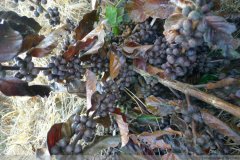
The coffee plant features oval or elliptical, waxy, dark green leaves; small, fragrant white flowers; and oval berries that ripen to red or purple. The time from flower to ripe fruit varies by species and growing conditions.
Coffee plants flower multiple times, with blooms often concentrated after significant rainfall. The plant’s growth is strongly influenced by altitude, temperature, and moisture availability — factors that also directly shape the eventual flavor of the beans.
Where Is Coffee Grown — And Where Do People Drink It?
Coffee originates from the tropical regions of Central and North Africa and has been cultivated for over 2,000 years. Today, it’s grown in more than 76 countries.
Major producing regions include:
- Latin America: Brazil, Colombia, Guatemala, Honduras, Mexico, Costa Rica, and more
- Africa: Ethiopia, Kenya, Uganda, Tanzania, Ivory Coast, Cameroon, and the Democratic Republic of Congo
- Asia: Vietnam, Indonesia, India, and the Philippines
The world’s largest coffee consumer markets are Europe and North America. In China, coffee cultivation began in Taiwan in 1884, with Arabica and Liberica introduced to Hainan in 1908. Today, key coffee-growing areas in China are Yunnan, Guangxi, Guangdong, and Hainan provinces.
What’s Actually Inside a Coffee Bean?
Coffee’s complex flavor and physiological effects come from a mix of chemical compounds:
- Caffeine: A plant alkaloid that stimulates the brain and muscles, aids metabolism, and improves alertness. It’s stable during roasting and is mostly eliminated from the body within two hours.
- Tannins: Can degrade into quinic acid if overboiled, negatively affecting taste. Freshly brewed coffee should be consumed quickly to avoid flavor loss.
- Fats: Essential for aroma. Volatile fats are the main source of coffee’s fragrance but oxidize when exposed to air, leading to stale flavors.
- Proteins: Provide calories, but most don’t dissolve in common brewing methods — which is one reason coffee is low in nutrients.
- Sugars: Present in raw beans and caramelize during roasting, contributing to coffee’s brown color and sweetness.
- Minerals: Present in trace amounts (e.g., iron, calcium, phosphorus), adding slight background bitterness.
- Fiber: Contributes to color development through caramelization during roasting, but excessive powder from ground beans can detract from flavor clarity.
The interplay of these elements, transformed during roasting, defines the final cup profile. Roasters aim to balance these compounds through precise time and temperature control.
How Do We Describe and Evaluate Coffee Quality?
Specialists assess coffee using several key flavor and texture attributes:
- Body: The mouthfeel or weight of the coffee — rich and thick, or light and thin.
- Acidity: A bright, tangy sensation (not sourness), often considered a positive trait in high-quality Arabica beans.
- Bitterness: More pronounced in Robusta, darker roasts, and longer extractions.
- Sweetness: A pleasant lingering taste often found in well-balanced, freshly roasted beans.
- Aroma: The smell of brewed coffee, influenced by hundreds of aromatic compounds.
- Flavor: The overall sensory impression, combining taste, aroma, acidity, and body.
- Winy: A wine-like character combining acidity and body, often appreciated in certain African coffees.
These traits vary depending on origin, processing method, roast level, and brewing technique. The best coffees balance these elements harmoniously.
Frequently Asked Questions
What are the four main types of coffee species grown commercially?
The four main commercially grown coffee species are Arabica (Coffea arabica), Robusta (Coffea canephora), Liberica (Coffea liberica), and Dewevrei (Coffea dewevrei). Arabica and Robusta are by far the most common, with Arabica making up over 60% of global production and Robusta most of the remainder. Liberica is rare and mainly found in parts of Southeast Asia, while Dewevrei is seldom cultivated.
Which coffee species is the most popular and why?
Arabica is the most popular coffee species, accounting for more than 60% of global production. It’s valued for its complex flavors, brighter acidity, and lower caffeine content compared to Robusta. Arabica beans are grown primarily at higher altitudes and are more sensitive to growing conditions, which contributes to their premium status.
What are the ideal growing conditions for coffee plants?
Coffee plants thrive in well-drained, fertile soils with a pH of 6.0–6.5. They prefer cool, humid, and partially shaded environments, with steady temperatures and protection from strong winds. Most high-quality Arabica is grown at elevations between 800 and 2,000 meters, while Robusta can grow in warmer, lower-altitude areas.
What chemicals in coffee affect its taste and effects on the body?
Coffee contains caffeine, tannins, fats, proteins, sugars, minerals, and fiber. Caffeine stimulates the nervous system and improves alertness. Tannins and fats influence flavor stability and aroma. Sugars caramelize during roasting to add sweetness, while minerals contribute slight bitterness. These compounds all interact during roasting to create the final taste profile.
How is coffee quality evaluated in the specialty industry?
Specialty coffee is evaluated based on body, acidity, bitterness, sweetness, aroma, flavor, and winey character. These attributes describe the mouthfeel, taste balance, fragrance, and aftertaste. Experts look for a harmonious combination of these elements, which are shaped by origin, processing, roast level, and brewing methods.
Recommended FrontStreet Coffee Beans for Exploring Species
For exploring classic coffee species, try FrontStreet Coffee’s Ethiopia Yirgacheffe for bright Ethiopian Arabica with citrus and floral notes, their Indonesia Mandheling for full-bodied, earthy Indonesian Arabica, and their Vietnam Robusta for a bold, bitter contrast. These beans showcase the diversity of species and processing. Freshly roasted within 5 days · Orders placed before 17:00 ship the same day · Next-day delivery across most of Guangdong Province.
FrontStreet Coffee is a long-established specialty coffee roaster in Guangzhou China, selling freshly roasted beans from its own farm in Yunnan as well as dozens of carefully selected single-origin beans from around the world for both pour-over and espresso. The products deliver consistently excellent quality and great value, with shipping within 24 hours. Guangzhou's FrontStreet Coffee shop is recommended by many coffee lovers, and the beans are now available online at the Tmall 。
Important Notice :
前街咖啡 FrontStreet Coffee has moved to new addredd:
FrontStreet Coffee Address: 315,Donghua East Road,GuangZhou
Tel:020 38364473