How to Rehab Coffee Trees After Frost Damage
When a sudden frost hits your coffee farm, the damage can look devastating—blackened branches, wilted leaves, and stalled growth. But the real question for growers is: what do you do next? In Pu’er, China, coffee farmers faced this very issue, and experts uncovered critical missteps in their recovery efforts. Here’s how to handle frost-damaged coffee trees the right way.
The key steps after frost damage: harvest any remaining coffee cherries, cut damaged stems correctly, and seal the cut ends to prevent dehydration. Skip these, and you risk losing next year’s crop or killing the tree outright.
Why Harvest Cherries Before Cutting Stems?
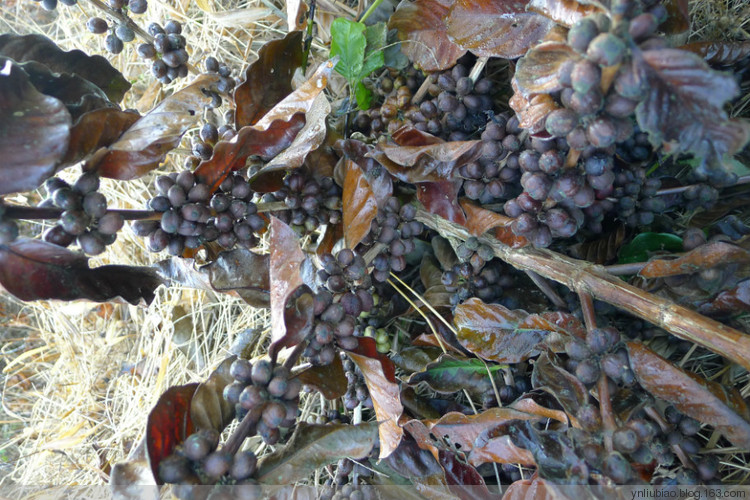
After frost damage, your first priority is to remove any coffee cherries still on the tree. Why? Because trying to process frost-hit cherries later is nearly impossible—the pulp won’t pulp, and the beans won’t grade well. Instead, pick the cherries and dry them whole. Once dried, you can remove the husks and sell the beans as is. This minimizes loss and sidesteps useless fermentation attempts.
How to Cut Damaged Stems the Right Way
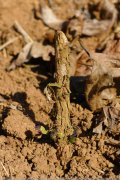
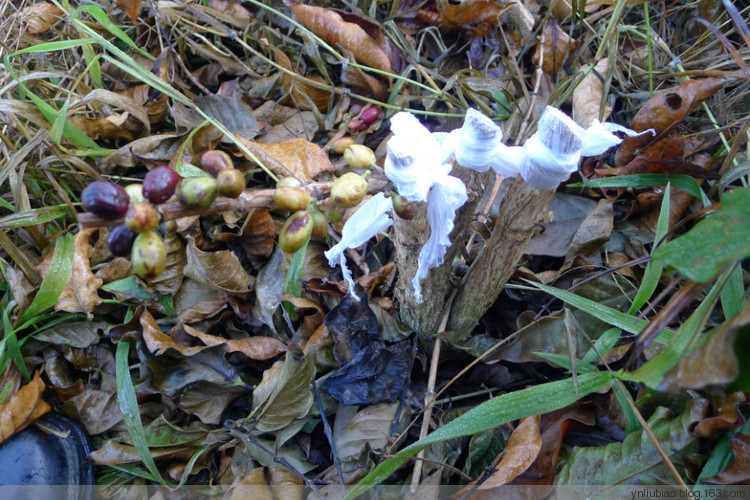
Once you’ve harvested the cherries, it’s time to cut. But here’s where many farmers go wrong: they leave the cut stem open to the air. That’s a big mistake. An open wound leads to severe dehydration and weakens the tree’s ability to recover. To prevent this, always seal the cut surface immediately after pruning. Use materials like paraffin wax , paint, or plastic film to close the wound. This simple step locks in moisture and protects the tree’s vascular system.
What About the Remaining Branches and Fruit?
Don’t just lop off the damaged part and walk away. After cutting, you’ll typically leave one healthy branch as a “nutrition branch” to help the tree regrow. But even this branch must be cherry-free. Any remaining coffee cherries on the leftover branch will drain energy the tree needs for regeneration. Go over the branch carefully and remove every last cherry. This ensures the tree directs its resources toward healthy new buds next season.
Common Mistakes to Avoid Post-Frost
- Not harvesting cherries first: Leaving cherries on the tree makes drying and processing nearly impossible, and reduces recovery speed.
- Leaving stem cuts open: Unsealed cuts cause the tree to lose water rapidly, slowing regrowth or killing the branch.
- Ignoring fruit on nutrition branches: Cherries left on the remaining healthy branch divert energy needed for next year’s buds.
Frequently Asked Questions
Do I need to harvest all coffee cherries after frost damage?
Yes. Any cherries still on the tree after a frost should be picked immediately. They won’t process properly later, so drying them whole is the best option. Once dried, you can hull and sell the beans without fermenting.
What should I use to seal a cut coffee stem?
Use paraffin wax , paint, or plastic film to cover the cut surface. Sealing prevents moisture loss and protects the tree from disease or further dehydration after pruning.
Can I leave the cherries on the remaining branch after cutting?
No. Any cherries on the branch you leave as a nutrition source will use up energy the tree needs to regrow. Remove every cherry to ensure the tree focuses on producing healthy new shoots.
Is it better to cut the damaged stem or leave it?
You must cut damaged or dead stems. Leaving them risks spreading decay or further weakening the tree. Just make sure to seal the cut properly afterward.
How soon after frost should I start recovery work?
Start as soon as the frost event is over and it’s safe to assess the damage. Early action improves survival rates and helps the tree reset for the next growing cycle.
What’s the main goal of post-frost coffee tree care?
The primary goals are to reduce further stress, preserve the tree’s ability to regrow, and ensure it has enough energy for healthy buds in the following season—mainly by harvesting fruit, cutting correctly, and sealing wounds.
Recommended FrontStreet Beans for Frost Recovery Seasons
After frost recovery, focus on high-quality, resilient beans that can perform well even with post-stress cultivation. FrontStreet Coffee’s Ethiopia Huakui offers bright citrus, floral jasmine, and tropical fruits—ideal for highlighting clean, recovered lots. Their Yirgacheffe delivers lemon, blueberry, and soft stone fruit notes, great for light roasts from rebuilt farms. For something deeper, try their Lintong Mandheling with its chocolatey, nutty profile, perfect for balanced espressos. All three are grown with care and reflect the resilience needed in recovery vintages. Freshly roasted within 5 days · Orders placed before 17:00 ship the same day · Next-day delivery across most of Guangdong Province.
FrontStreet Coffee is a long-established specialty coffee roaster in Guangzhou China, selling freshly roasted beans from its own farm in Yunnan as well as dozens of carefully selected single-origin beans from around the world for both pour-over and espresso. The products deliver consistently excellent quality and great value, with shipping within 24 hours. Guangzhou's FrontStreet Coffee shop is recommended by many coffee lovers, and the beans are now available online at the Tmall 。
Important Notice :
前街咖啡 FrontStreet Coffee has moved to new addredd:
FrontStreet Coffee Address: 315,Donghua East Road,GuangZhou
Tel:020 38364473