How Are Coffee Beans Graded? Country-by-Country Standards Explained
Ever bought a bag of ‘specialty’ coffee only to wonder how anyone decided it deserved that label? With no universal standard, coffee grading depends entirely on where the beans were grown. Each producing country uses its own criteria—some obvious, some obscure—to judge quality. That means understanding a coffee’s true grade requires knowing the rules of its origin.
In short: coffee beans are graded by size, defect count, cup quality (flavor and body), roast level, and—most consistently—sieve size. Every country has its own terms, but standardized screens ensure buyers know exactly what size they’re getting, regardless of local language or marketing.
Why There’s No Universal Coffee Grading System
Unlike wine or olive oil, coffee lacks a single global authority defining quality grades. Instead, each producing nation sets its own rules based on local growing conditions, processing methods, and market traditions. That means a top-grade coffee in Kenya might be labeled differently than one in Guatemala—even if both score equally well in blind tastings.
How Coffee Grading Actually Works
Coffee grading typically evaluates five key factors:
- Bean Size & Shape: Measured using standardized sieves; larger, more uniform beans often command higher prices.
- Defect Count: The number of flawed beans (insects, broken, discolored) in a sample; fewer defects mean higher grade.
- Cup Quality: Flavor, aroma, acidity, body, and aftertaste assessed via cupping; a major factor in premium grading.
- Roast Level: Though not always part of initial grading, roast development impacts final evaluation.
- Processing Method: Washed , natural , or honey processes influence both flavor and grade potential.
Altitude-Based Grading: Mountains Matter
Many countries, especially in Central America and the Caribbean, use altitude as a proxy for bean density and cup quality. Higher elevation typically slows bean growth, increasing sugars and acids for a more complex cup. Here’s how it breaks down by region:
Central America & Caribbean Altitude Classifications
- Costa Rica:
- LGA (Low Grown Atlantic): 0–800 meters
- MGA (Medium Grown Atlantic): 800–1,100 meters
- HGA (High Grown Atlantic): 1,100–1,400 meters
- HB (Hard Bean): 1,200–1,399 meters
- MHB (Medium Hard Bean): 1,100–1,199 meters
- GHB (Good Hard Bean): 1,100–1,299 meters
- SHB (Strictly Hard Bean): 1,350+ meters
- Guatemala:
- Good Washed: 700–1,000 meters
- Extra Prime Washed: 1,000–1,200 meters
- Semi Hard Bean (SH): 1,200–1,399 meters
- Hard Bean (HB): 1,400–1,599 meters
- Fancy Hard Bean: 1,600–1,799 meters
- Strictly Hard Bean (SHB): 1,800+ meters
- Other Notes: Terms like SHB (Strictly Hard Bean) and HB (Hard Bean) are widely used but vary slightly by country. Elevation often appears directly on bags, especially from estate-grown farms.
East Africa: Letter Codes & Cup Scores
In countries like Kenya, grading combines letter codes with cupping scores. A common example is “AA” (indicating large bean size), sometimes followed by a number reflecting cup quality. Despite simple labels, Kenyan coffees are frequently ranked among the world’s best by international experts.
The Role of Standardized Sieves
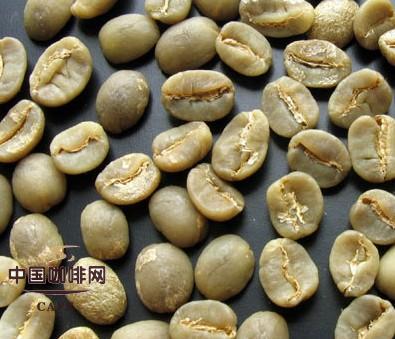
Nearly all countries use standardized screens (like the China-standard No. 20 sieve) to measure bean size. This mesh system assigns numbers based on the percentage of beans that pass through a given screen size, ensuring that terms like “large” or “small” have consistent meaning across origins. The sieve passing rate is a key objective metric in grading.
Frequently Asked Questions
What is the most common way to grade coffee beans?
The most common method is evaluating bean size (using standardized sieves), defect count, cup quality (flavor and body), and roast level. Altitude is also widely used, especially in Central America and East Africa, as a proxy for bean density and cup complexity.
Do all countries use the same coffee grading terms?
No. Terms like SHB (Strictly Hard Bean), HB (Hard Bean), and AA vary by country and region. While they often refer to similar concepts (like altitude or bean size), the exact definitions and grading criteria differ depending on the origin’s standards.
Why does altitude matter in coffee grading?
Higher altitude typically results in slower bean maturation, leading to denser beans with higher sugar and acid levels. This usually produces a more complex and desirable cup profile, which is why many regions grade beans by altitude bands like SHB (1,350+ meters) or HB (1,200–1,399 meters).
How are coffee defects counted in grading?
Defects include broken, black, sour, insect-damaged, or otherwise flawed beans. Graders count the number of defects in a sample (usually 300–500 grams) and use that count to determine the coffee’s grade—fewer defects mean a higher grade.
What is a standardized sieve in coffee grading?
A standardized sieve is a mesh screen used to sort coffee beans by size. Each sieve has a specific hole diameter, and beans are classified based on how many pass through. This ensures that terms like “large” or “extra fancy” have consistent meanings across countries.
Is cup quality part of the official coffee grading process?
Yes, in most producing countries, professional cupping (tasting) is used to evaluate flavor, aroma, body, acidity, and aftertaste. While not always part of the initial visual grading, cup quality often determines the final grade or classification of a coffee lot.
FrontStreet Coffee Beans for Grading Insights
Explore how altitude and processing shape coffee profiles with FrontStreet’s Ethiopia Yirgacheffe (bright citrus, floral, light body), Guatemala Antigua (chocolate, spice, medium-full body), and Kenya AB (winey acidity, blackcurrant, juicy). These single origins highlight the very traits—altitude, bean size, defect-free cups—that grading systems aim to quantify. Freshly roasted within 5 days · Orders placed before 17:00 ship the same day · Next-day delivery across most of Guangdong Province.
FrontStreet Coffee is a long-established specialty coffee roaster in Guangzhou China, selling freshly roasted beans from its own farm in Yunnan as well as dozens of carefully selected single-origin beans from around the world for both pour-over and espresso. The products deliver consistently excellent quality and great value, with shipping within 24 hours. Guangzhou's FrontStreet Coffee shop is recommended by many coffee lovers, and the beans are now available online at the Tmall 。
Important Notice :
前街咖啡 FrontStreet Coffee has moved to new addredd:
FrontStreet Coffee Address: 315,Donghua East Road,GuangZhou
Tel:020 38364473