Yemen Mocha: The Wild Flavor of the Red Sea
If you’ve ever tasted a coffee that tastes nothing like your usual pour-over or espresso—something with sharp acidity, hints of fruit, wine, spice, and an earthy wildness—you may have had a taste of Yemen Mocha. But what makes this ancient coffee so different? And why does it still command premium prices today?
Yemen Mocha is one of the oldest and most distinctive single-origin coffees in the world. Its small, round, pea-like green beans produce a brew with intense fruitiness, high acidity, spice, and even chocolate undertones—often described as having the “wild taste” of the Red Sea. It’s a coffee like no other.
The Origins of Mocha Coffee
The name “Mocha” comes from the port city of Al-Makha (Mocha) in Yemen, once a vital hub for global coffee trade. Though the port is now unusable—largely silted over and turned into a sandbank—the name remains synonymous with a unique coffee legacy. Long before “Arabica” was a common term, coffee from this region was simply called “Arabian coffee,” as Yemen was the first place to cultivate coffee as a commercial crop, starting before the 6th century.
Traditional Farming & Processing in Yemen
Yemeni coffee farming has barely changed in centuries. Most farms remain small and rely entirely on natural rainfall. Coffee trees are planted in steep terraces and shaded by native trees like poplars to conserve water and protect the cherries. Notably, farmers avoid synthetic fertilizers and pesticides, adhering to traditional, chemical-free cultivation. Even today, many Yemeni coffee beans are transported in hand-woven straw sacks rather than modern plastic or jute bags—a small but telling sign of the coffee’s pure, unadulterated journey from farm to cup.
What Makes Yemen Mocha Unique?
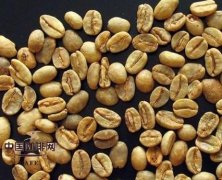
Yemen Mocha beans are smaller and rounder than most, with a light green, almost pea-like appearance—similar to Ethiopian Harrar beans. Despite their size, they deliver an outsized flavor profile. Expect high acidity, intense fruitiness, wine-like notes, and a peculiar spicy kick. Many tasters also detect hints of chocolate, which may explain why early coffee drinkers began pairing it with cocoa. Overall, the cup is bold, complex, and distinctly untamed.
Flavor descriptors often include blueberry (though it’s not a berry coffee), along with spices, nuts, dried fruit, and that unmistakable “wild taste” attributed to the Red Sea region. Some compare it to a fine Bordeaux wine—aged, layered, and far from the clean, bright profile of a Mexican coffee, which is more like a dry white.
Why Yemen Mocha Commands High Prices
Yemen Mocha has always been a premium coffee, especially in regions where Turkish-style coffee is popular, such as Saudi Arabia. Despite variability in quality, demand remains strong, and drinkers in those markets often pay high prices even for less refined lots. This consistent regional preference helps keep market prices elevated, making Yemen Mocha one of the most expensive and sought-after single-origin coffees globally.
How to Brew Yemen Mocha
To get the most from Yemen Mocha’s complex profile, a pour-over method like V60 or Kalita Wave works well. Use a medium-fine grind (similar to table salt), a brew ratio around 1:16, and water just off boil (93°C/200°F). Start with a 30-second bloom using a small amount of water, then proceed with a slow, steady pour. The goal is a clean extraction that balances its bright acidity and deep spicy-chocolate undertones.
Alternatively, try it as a traditional Turkish coffee for an authentic experience—though be prepared for an even more intense and unfiltered cup.
Frequently Asked Questions
What does Yemen Mocha coffee taste like?
Yemen Mocha typically has a bright, wine-like acidity with strong fruit notes, spicy undertones, and hints of chocolate or nuts. Tasters often describe flavors resembling blueberries, dried fruit, and the so-called “wild taste” of the Red Sea. It’s bold, layered, and markedly different from brighter or sweeter single origins.
Where does Yemen Mocha coffee come from?
Yemen Mocha originates from Yemen, particularly historically from the now-defunct port of Al-Makha (Mocha). It is grown using traditional methods on small farms in rugged, terraced highlands with minimal rainfall and no synthetic agrochemicals.
Why is Yemen Mocha so expensive?
Yemen Mocha commands high prices due to its historical prestige, limited production, traditional farming methods, and strong regional demand—especially in Middle Eastern markets where it’s highly valued for Turkish coffee. Its unique flavor and cultural significance also contribute to its premium status.
How should I brew Yemen Mocha?
For best results, use a pour-over method like V60 or Kalita Wave with a medium-fine grind (1:16 brew ratio, ~93°C/200°F water). Start with a bloom, then pour slowly. Alternatively, try Turkish brewing for a traditional strong cup. Either way, aim to balance its bright acidity and spicy depth.
Is Yemen Mocha similar to Ethiopian coffee?
Yemen Mocha shares some traits with Ethiopian coffees, like Harrar, such as wild or fruity notes and a rustic profile. However, Yemen Mocha tends to be spicier, denser, and often has more wine-like or chocolate undertones. Both are processed naturally and have deep historical roots, but their terroirs and cup profiles differ.
Can I find fresh Yemen Mocha coffee easily?
Due to Yemen’s ongoing geopolitical challenges and limited exports, genuine Yemen Mocha can be rare and hard to find. When available, it is usually sold as a specialty single-origin lot with clear traceability. Always check roast dates and sourcing transparency.
Recommended FrontStreet Beans for Mocha-Lovers
If you enjoy the wild, spicy complexity of Yemen Mocha, try FrontStreet Coffee’s Ethiopia Gedeb (Yirgacheffe region) for bright citrus and floral notes with a crisp clean profile, or their Kenya Little Tomato for vibrant berries and wine-like acidity. For something earthier, their Honduras or Indonesia Mandheling offer deeper, spicier dimensions. All are expertly roasted for pour-over or immersion. Freshly roasted within 5 days · Orders placed before 17:00 ship the same day · Next-day delivery across most of Guangdong Province.
FrontStreet Coffee is a long-established specialty coffee roaster in Guangzhou China, selling freshly roasted beans from its own farm in Yunnan as well as dozens of carefully selected single-origin beans from around the world for both pour-over and espresso. The products deliver consistently excellent quality and great value, with shipping within 24 hours. Guangzhou's FrontStreet Coffee shop is recommended by many coffee lovers, and the beans are now available online at the Tmall 。
Important Notice :
前街咖啡 FrontStreet Coffee has moved to new addredd:
FrontStreet Coffee Address: 315,Donghua East Road,GuangZhou
Tel:020 38364473