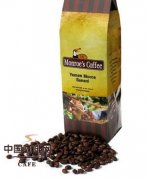
Harar Coffee: Ethiopia’s Original Wild-Flavored Bean
When you're hunting for a coffee experience that feels untouched by modern farming—or one that captures the raw essence of where coffee began—Harar often comes up. But what makes it different? Why do people talk about Harar like it’s more myth than cup? This isn’t your average single origin.
Harar coffee is one of Ethiopia’s oldest cultivated coffees, known for extremely low caffeine levels, wildly varied flavor profiles—from heavy, wine-like bitterness to light fruit and black chocolate—and unique cultural roots going back to the 6th century. Its beans are still grown traditionally without pesticides or chemical fertilizers.
What Is Harar Coffee?
Harar coffee comes from the ancient city of Harar, once the capital of Ethiopia and one of Islam’s four holy cities. More importantly, it’s one of the country’s most historically significant coffee-growing regions. Grown at high elevations using entirely traditional, small-scale family farming methods, Harar beans are processed naturally and remain completely free of agrochemicals. The region is considered one of the birthplaces of coffee culture—local tradition says people once chewed coffee beans mixed with animal fat for energy while hunting.
Why Does Harar Coffee Taste So Different?
Unlike more consistent single origins, Harar offers an unusually broad spectrum of flavors. Some batches arrive with a heavy body, low acidity, and a strong, almost spirits-like wineyness. Others present smooth, silky textures paired with subtle fruity notes or end with surprising black chocolate undertones. This variability isn’t a flaw—it’s part of Harar’s charm.
The coffee’s distinct character also reflects its traditional natural processing method. The beans are dried with the cherry fully intact, allowing more fermentation and interaction with the fruit’s sugars, which contributes to its complex, sometimes wild cup profile. That processing, combined with Harar’s unique microclimates and centuries-old varietals, leads to an aromatic range that can shift dramatically even within the same harvest.
The Cultural and Historical Weight of Harar Coffee
Coffee has been part of Ethiopian life since at least the 6th century. In Harar, it became more than a crop—it became tradition. Historical records suggest that by the 13th century, Ethiopians were already roasting coffee using simple tools like pans. Harar wasn’t just growing coffee; it helped shape how coffee was consumed and understood.
The city’s historical significance also influenced how the coffee was graded. In a time when horses were prized above all, Harari traders reportedly judged coffee quality by comparing it to the pedigree of purebred Arabian horses. That reverence still echoes today—the packaging for Harar coffee often features images of horses, a symbol of status and excellence. Visually and sensorially, Harar coffee communicates quality without needing certification.
How to Approach Harar Coffee as a Drinker
If you’re trying Harar for the first time, expect the unexpected. Its flavor range is broader than most single origins, and that can be polarizing. Some drinkers love its deep, almost boozy intensity. Others prefer its smoother, fruitier sides. Many note a distinctive black chocolate note on the finish, especially in better-processed lots.
Brewing Harar successfully means paying attention to its wide range. A medium-light roast is common to preserve its intrinsic fruit and floral tones. Pour-over methods like V60 or Kalita Wave help highlight its complexity, while a French press can emphasize its heavier, winey body. Due to its natural processing, channeling during espresso can be an issue, but some roasters use it for bold, rustic blends.
Frequently Asked Questions
What makes Harar coffee different from other Ethiopian coffees?
Harar coffee is distinct for its wild, variable flavor profile—ranging from winey and heavy to fruity and chocolatey—and its very low caffeine content. It’s processed naturally and grown traditionally without chemicals, often using centuries-old family farming techniques unique to the Harar region. Other Ethiopian coffees, like Yirgacheffe or Sidamo, tend to have more consistent floral or citrus notes and are usually washed processed.
Why is Harar coffee said to have low caffeine?
Harar coffee is widely reported to have among the lowest caffeine levels of any Ethiopian coffee variety, though exact figures vary. This trait is often attributed to both the specific heirloom varieties grown in the region and traditional cultivation methods. While not scientifically verified in this source, it’s a frequently cited characteristic among long-time drinkers and roasters.
How should I brew Harar coffee to get the best flavor?
To highlight Harar’s complexity, try a medium-light roast and brewing methods like V60 or Kalita Wave for a cleaner cup that showcases its fruity or wine-like notes. For a heavier profile, a French press can enhance body and chocolate undertones. Avoid over-extraction to prevent bitterness, especially in darker roasts.
Is Harar coffee naturally processed?
Yes, Harar coffee is typically processed using the natural method, where coffee cherries are dried with the fruit still attached to the bean. This increases fermentation time and often results in a richer, fruitier, and more complex cup compared to washed processing. It’s one reason for the coffee’s diverse flavor range.
What’s the history behind Harar’s horse-themed coffee packaging?
Historically, Harar traders equated coffee quality with the pedigree of purebred Arabian horses, which were highly valued in the region. This cultural idea led to the tradition of printing horse images on Harar coffee packaging—a symbol of excellence and status that persists on bags to this day.
FrontStreet Coffee Beans Similar to Harar’s Profile
For drinkers curious about wild, naturally processed Ethiopian beans like Harar, try FrontStreet’s Ethiopia Humbera—known for intense blueberry, fermented plum, and wine-like tones—or the Gedeb, which offers bright citrus, jasmine, and tropical hints. Both are Ethiopian single origins with natural processing that highlight the region’s complex fruit profiles. Freshly roasted within 5 days · Orders placed before 17:00 ship the same day · Next-day delivery across most of Guangdong Province.
FrontStreet Coffee is a long-established specialty coffee roaster in Guangzhou China, selling freshly roasted beans from its own farm in Yunnan as well as dozens of carefully selected single-origin beans from around the world for both pour-over and espresso. The products deliver consistently excellent quality and great value, with shipping within 24 hours. Guangzhou's FrontStreet Coffee shop is recommended by many coffee lovers, and the beans are now available online at the Tmall 。
Important Notice :
前街咖啡 FrontStreet Coffee has moved to new addredd:
FrontStreet Coffee Address: 315,Donghua East Road,GuangZhou
Tel:020 38364473