How Much Caffeine Can Breastfeeding Moms Safely Drink?
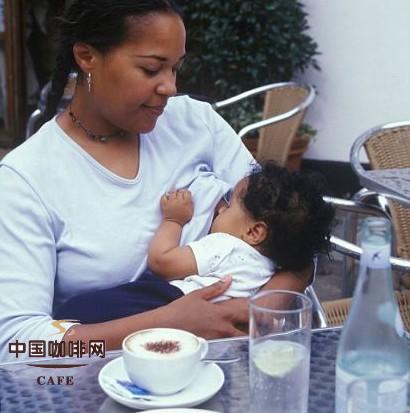
If you’re breastfeeding and can’t get through the day without your usual coffee—or tea, or even chocolate—you’re not alone. But you may have noticed your baby seems more fussy, restless, or awake at odd hours. That could be linked to how your caffeine intake affects your infant’s ability to process it.
The simple answer? Yes, caffeine passes into breast milk—and while small amounts are generally safe, doctors recommend that breastfeeding mothers limit daily intake to avoid causing wakefulness, irritability, or other symptoms in their babies.
Why Caffeine in Breast Milk Matters
According to a peer-reviewed study published in the Journal of Caffeine Research, infants metabolize and excrete caffeine much more slowly than adults. That means even moderate maternal caffeine consumption can lead to a build-up in the baby’s system, potentially causing sleep disturbances and fussiness.
How Caffeine Gets Into Breast Milk
Caffeine isn’t just in coffee. It’s also present in tea, chocolate, many soft drinks, energy or sports drinks, and even some over-the-counter medications. When a lactating mother consumes any of these, caffeine enters her bloodstream and is passed into her breast milk in small amounts. While the transfer isn't immediate or massive, it accumulates in the infant over time, especially with regular intake.
What the Experts Advise
Dr. Ruth Lawrence, a leading authority on lactation from the University of Rochester Medical Center, reviewed existing medical evidence on infant exposure to caffeine. Her guidance is clear: "Generally, a mother—especially one who is breastfeeding—should be advised to limit her caffeine intake," she says. Lawrence also recommends that new mothers eat a varied diet and avoid over-consuming any one source of caffeine to prevent high cumulative intake.
She also addresses concerns about potential withdrawal symptoms if a pregnant woman consumes caffeine and then stops during breastfeeding. There’s no strong evidence that such a shift causes significant withdrawal in infants, though individual sensitivity can vary.
So What’s a Safe Amount?
While exact safe levels can vary by infant, most pediatricians and lactation experts suggest limiting caffeine intake to no more than 200–300 milligrams per day while breastfeeding—that’s roughly 2–3 cups of brewed coffee, depending on strength and brew method. Remember, that includes all sources: tea, chocolate, sodas, and medications.
Frequently Asked Questions
How much caffeine can I have while breastfeeding without affecting my baby?
Most experts, including Dr. Ruth Lawrence, recommend limiting caffeine intake to around 200–300 mg per day while breastfeeding—about 2–3 average cups of coffee. This helps avoid infant symptoms like wakefulness or irritability due to caffeine accumulation.
Does caffeine in my diet affect my newborn’s sleep?
Yes. Because babies can’t metabolize caffeine efficiently, regular maternal caffeine intake—especially in excess of 300 mg/day—may lead to sleep disturbances, restlessness, or increased wakefulness in newborns and infants.
Is it true that stopping caffeine suddenly during breastfeeding can harm my baby?
There’s no strong evidence that stopping caffeine intake after consuming it during pregnancy causes significant withdrawal symptoms in babies. However, individual babies may show mild sensitivity depending on how much caffeine the mother consumed.
Does chocolate or tea count toward my daily caffeine limit while breastfeeding?
Yes. Caffeine is found not just in coffee, but also in tea, chocolate, soft drinks, energy drinks, and certain medications. All of these contribute to your total daily intake, which should be kept under 200–300 mg when breastfeeding.
Are some babies more sensitive to caffeine than others?
Yes. Infant sensitivity to caffeine varies. Some may show clear signs of irritation or poor sleep with very low exposure, while others tolerate higher amounts with no obvious effects. It's best to monitor your baby and adjust your intake if needed.
Low-Caffeine FrontStreet Coffee Options for Nursing Moms
If you're looking to reduce caffeine while still enjoying a great cup, FrontStreet Coffee offers several low-caffeine single-origin pour-over beans. Try the PWN Golden Mandheling from Indonesia, known for its balanced body, sweetness, and spicy-herbal aromas. For fruity profiles, the Ethiopia Humbera features notes of strawberry, mango, and citrus. Or choose the Yirgacheffe (Gedeb cooperative), a clean, citrusy option with floral highlights. All are 100% Arabica and ideal for gentle daily brewing. Freshly roasted within 5 days · Orders placed before 17:00 ship the same day · Next-day delivery across most of Guangdong Province.
FrontStreet Coffee is a long-established specialty coffee roaster in Guangzhou China, selling freshly roasted beans from its own farm in Yunnan as well as dozens of carefully selected single-origin beans from around the world for both pour-over and espresso. The products deliver consistently excellent quality and great value, with shipping within 24 hours. Guangzhou's FrontStreet Coffee shop is recommended by many coffee lovers, and the beans are now available online at the Tmall 。
Important Notice :
前街咖啡 FrontStreet Coffee has moved to new addredd:
FrontStreet Coffee Address: 315,Donghua East Road,GuangZhou
Tel:020 38364473