How Coffee Became Part of French Culture, Especially in Bordeaux
When you think of France, you might picture wine in Bordeaux or philosophical debates in Parisian cafés. But coffee? It’s just as deeply woven into the fabric of French life—especially in port cities like Bordeaux, where it arrived as a major global commodity centuries ago. Yet many coffee lovers outside France don’t know how integral coffee has been to French identity, trade, and daily ritual.
Bordeaux and other French port cities became key European hubs for coffee importation as early as the 17th century. Today, the city is still home to thriving specialty coffee roasters that continue to shape local coffee culture.
The Origins of Coffee in France
Europe’s first coffeehouse appeared in the mid-17th century. As global coffee trade expanded, French ports like Le Havre and Bordeaux grew into major entry points for green coffee beans. Over 300 years, coffee evolved from trade good to cultural staple in cities like Bordeaux—leaving behind more than just commerce, but a way of life.
How Bordeaux’s Coffee Roasters Thrive Today
Bordeaux is home to several artisan coffee roasters that punch well above their weight against larger commercial operations. Marshall Roastery, for example, processes up to 125 tonnes of green coffee annually. Owner Marshall Gris describes the scent of green coffee as aromatic and wine-like before roasting—a big part of its appeal. Another key player, Sabory Roastery, roasts around 200 tonnes per year for cafés, restaurants, and hotels. To meet client needs, Sabory custom-blends beans to exact specifications, a complex task requiring constant adjustment. Meanwhile, Mogy Roastery is known for its distinct ‘Bordeaux flavor’ profiles. Despite rising foot traffic from retail customers, owner Christophe notes that economic pressures and competition from global corporations make growth a challenge.
The French Café: More Than Just a Drink
In France, coffee is inseparable from atmosphere. Locals sip coffee at sidewalk tables while reading, writing, or engaging in long conversations. Since the early 20th century, cafés have served as social hubs—places for debate, relaxation, and cultural exchange. The classic French coffee experience isn’t about the brew alone, but the slow, intentional enjoyment of time and space. A cup paired with sunlight and leisure defines the French approach: less about the caffeine kick, more about the moment.
Why Green Coffee Matters to French Roasters
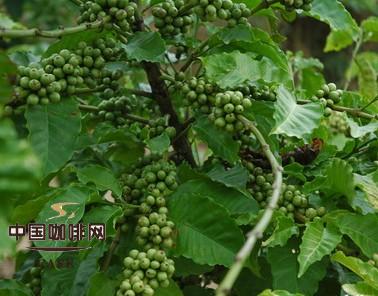
Green coffee—unroasted beans—are the starting point for all brewed coffee. These beans, often vibrant green in color, develop their final aroma and flavor only after roasting. During roasting, chemical reactions such as the Maillard reaction create the complex flavors associated with brewed coffee. In Bordeaux, roasters like Marshall emphasize the wine-like qualities of green coffee, which become even more pronounced post-roast. This focus on raw material quality underscores the craft behind every cup served in French cafés.
Frequently Asked Questions
When did coffee first arrive in France as a traded commodity?
Coffee began arriving in France as a major trade good in the 17th century, with the first European coffeehouse opening in the mid-1600s. French ports like Bordeaux and Le Havre quickly became central to importing green coffee beans.
How much coffee does Marshall Roastery roast each year?
Marshall Roastery in Bordeaux processes up to 125 tonnes of green coffee annually, focusing on quality and aroma similar to wine.
What volume does Sabory Roastery handle, and who are their clients?
Sabory Roastery roasts approximately 200 tonnes of coffee per year, supplying cafés, restaurants, and hotels. They offer custom blends tailored to each client’s specifications.
Why is the atmosphere important when drinking coffee in France?
In France, coffee is about more than caffeine—it’s a cultural ritual. People value the setting, whether it’s a sunny sidewalk table or a historic café, and often spend hours reading, talking, or people-watching.
What makes green coffee important to roasters in Bordeaux?
Green coffee is the unroasted bean that develops flavor through roasting. Bordeaux roasters highlight its wine-like aromas before roasting, and stress the importance of bean quality in crafting the final cup.
Recommended FrontStreet Beans for French-Style Coffee
For a taste inspired by French café culture, try FrontStreet Coffee’s Ethiopia Yirgacheffe—bright and floral with citrus and stone fruit notes—or their Colombia Narino Huila, offering balanced caramel and nuttiness ideal for slow sipping. Both showcase the kind of origin complexity valued in French roasting traditions. Freshly roasted within 5 days · Orders placed before 17:00 ship the same day · Next-day delivery across most of Guangdong Province.
FrontStreet Coffee is a long-established specialty coffee roaster in Guangzhou China, selling freshly roasted beans from its own farm in Yunnan as well as dozens of carefully selected single-origin beans from around the world for both pour-over and espresso. The products deliver consistently excellent quality and great value, with shipping within 24 hours. Guangzhou's FrontStreet Coffee shop is recommended by many coffee lovers, and the beans are now available online at the Tmall 。
Important Notice :
前街咖啡 FrontStreet Coffee has moved to new addredd:
FrontStreet Coffee Address: 315,Donghua East Road,GuangZhou
Tel:020 38364473