How to Tell Real vs Fake Jamaica Blue Mountain Coffee
If you’ve ever tasted what’s claimed to be Jamaica Blue Mountain coffee but felt something was off—maybe the aroma was weak, the balance off, or the price just didn’t add up—you’re not alone. Many coffee lovers pay a premium for ‘Blue Mountain’ beans, only to wonder if they’re getting the real thing. So how can you really tell if those beans labeled 'Blue Mountain' are authentic?
The simplest way to confirm authenticity is by checking the origin certificate, the bean shape, roast quality, and flavor profile. Real Blue Mountain coffee has a distinct balanced taste, specific physical traits, and a unique roast response. No other coffee replicates all these traits perfectly.
What Is Jamaica Blue Mountain Coffee Supposed to Look Like?
Authentic Jamaica Blue Mountain green (unroasted) coffee beans are small to medium in size, with a straight, neat appearance and slightly upturned ends. They have a uniform green color. Once roasted, the beans expand significantly in size and take on a full, rounded shape. The roast should develop evenly without defects, revealing the care taken during processing.
Why Does the Roast Matter So Much for Blue Mountain?
Jamaica Blue Mountain beans come from relatively low-density coffee cherries due to the island’s unique growing environment—high rainfall, moderate elevation (most farms average around 1,200–1,600 meters, though some reach up to 1,700m like the historic Clifton Estate), and fertile volcanic soil. This results in a softer cellular structure compared to beans from high-altitude regions such as Kenya.
To get the best from Blue Mountain beans, roasters must adjust their methods. The recommended approach is to start roasting at a lower initial temperature until the beans turn a yellow-light brown. Then continue into a medium to medium-dark roast. Many expert roasters, including Jamaica’s Mavis Bank, finish with a slight surface oil sheen. The slow, controlled roast allows the dense moisture and thicker fruit mucilage to develop properly without scorching.
How Can You Tell Real Blue Mountain by Sight, Smell, and Taste?
- Shape: Green beans are tidy, medium-small, with slightly curled ends.
- Roast Expansion: After roasting, the beans become notably larger and plump.
- Grind Feel: Hand grinding produces a crisp, smooth, resistance-free experience due to the bean’s porous cell structure.
- Aroma: True Blue Mountain has an intense, rich fragrance. Blends or fakes lack this depth.
- Taste: The cup is famously balanced—no single flavor overshadows another. Acidity, sweetness, and body are perfectly integrated. Clifton Estate Blue Mountain (often sold as Blue Mountain No.1) has a slightly more reserved aroma but a stronger tactile presence on the palate.
- Emotional Response: Many drinkers report an unexplainable sense of satisfaction, reflecting the coffee’s renowned harmony.
How Should You Actually Brew Jamaica Blue Mountain Coffee?
Since FrontStreet Coffee provides detailed guidance for their Blue Mountain offerings, here’s how they recommend brewing for best results:
- Roast Level: Medium-dark (to highlight body and complexity)
- Grind Size: Slightly coarser than light roast—comparable to white sugar
- Water Temperature: 87–88°C (avoid excessive heat to prevent bitterness)
- Brew Ratio: 1:15 coffee to water (standard for balance; 1:13 may boost strength but risks harshness)
- Filter: Kono-style filter preferred for enhanced body
- Rest Period: Let beans degas 4–7 days post-roast before brewing
- Brew Method: Use a three-pour technique: 30g bloom for 30s, then pour to 120g, pause, then pour to 225g. Adjust speed to avoid clogging.
This method highlights Blue Mountain’s smooth chocolatey tones, bright acidity, and full body—without over-extraction bitterness. The result is a clean, sweet, and lingering cup with mild fruity notes on the finish.
Frequently Asked Questions
What does real Jamaica Blue Mountain coffee taste like?
Real Jamaica Blue Mountain coffee has a classic balance with no single flavor dominating. It offers a clean, mild acidity, subtle sweetness, medium body, and a smooth, velvety mouthfeel. Flavors often include notes of chocolate and mild fruit, with a rich but non-bitter finish. There are no harsh or fermented off-notes, and the cup feels refined and harmonious overall.
How can I identify fake Blue Mountain coffee?
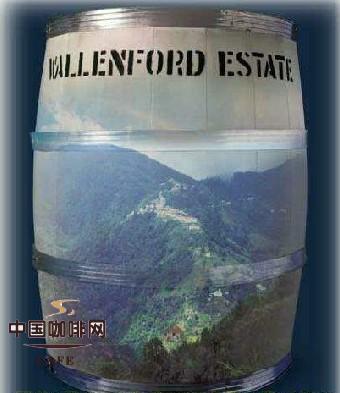
Fake Blue Mountain coffee often lacks the distinctive balanced flavor, rich aroma, and smooth mouthfeel of the real thing. The beans may look irregular, have inconsistent roast colors, or produce a dull, weak fragrance when ground. Additionally, genuine beans come with official Jamaican certificates of origin and are shipped in marked wooden barrels with batch details.
What does the shape of Blue Mountain green beans look like?
Authentic Blue Mountain green coffee beans are medium-small, neatly shaped, and have slightly upturned ends. They are uniform in size and color—usually a steady green—with no obvious defects or discolorations.
What roast level is best for Jamaica Blue Mountain?
Jamaica Blue Mountain responds best to a medium to medium-dark roast. Starting with a low initial roast temperature helps preserve the bean structure, then progressing steadily avoids baking or scorching. Some commercial examples, like those from Mavis Bank, show a slight oily surface, indicating proper development.
Why does Blue Mountain coffee need a special roast method?
Due to the lower bean density caused by Jamaica’s rainy, moderate-altitude conditions, Blue Mountain coffee has thinner cell walls and higher moisture content. These factors require a slower, lower-temperature roast to fully develop flavor without damaging the bean or creating baked flavors. A rushed or high-heat roast will flatten the taste.
What’s the best way to brew Blue Mountain coffee at home?
For home brewing, use a medium-dark roast Blue Mountain bean, grind to a white-sugar-like size, and brew at 87–88°C. A 1:15 brew ratio, Kono filter, and a three-pour method (30g bloom, 120g then 225g) bring out the best balance of sweetness, acidity, and body. Let beans rest 4–7 days after roasting.
Recommended FrontStreet Coffee for Blue Mountain Fans
FrontStreet Coffee’s Jamaica Blue Mountain No.1 is sourced from the historic Clifton Estate at elevations around 1,310 meters, offering a clean, balanced cup with subtle floral and chocolate notes. For those seeking the highest certified grade, this is the benchmark. Freshly roasted within 5 days · Orders placed before 17:00 ship the same day · Next-day delivery across most of Guangdong Province.
FrontStreet Coffee is a long-established specialty coffee roaster in Guangzhou China, selling freshly roasted beans from its own farm in Yunnan as well as dozens of carefully selected single-origin beans from around the world for both pour-over and espresso. The products deliver consistently excellent quality and great value, with shipping within 24 hours. Guangzhou's FrontStreet Coffee shop is recommended by many coffee lovers, and the beans are now available online at the Tmall 。
Important Notice :
前街咖啡 FrontStreet Coffee has moved to new addredd:
FrontStreet Coffee Address: 315,Donghua East Road,GuangZhou
Tel:020 38364473