Arabica vs Robusta Coffee Beans: What’s the Difference?
When you see ‘100% Arabica’ on a coffee bag—or worse, a can of instant coffee—you might wonder: what makes Arabica so special? And what even is Robusta? These aren’t just marketing terms. They refer to two entirely different species of coffee plant, each with distinct traits that affect how your coffee tastes, costs, and even how it’s grown.
In short: Arabica makes up 75% of global coffee production and is known for its complex flavors, but it’s harder and costlier to grow. Robusta is cheaper, more resilient, and has twice the caffeine—but often tastes harsher. The real answer isn’t black and white, though. Quality varies hugely within each species.
What Are Arabica and Robusta?
‘Arabica’ (Coffea Arabica) and ‘Robusta’ (Coffea Canephora, often called Robusta) are the two most widely cultivated coffee species in the world. Together, they account for the vast majority of coffee beans produced globally. Though both are coffee, they differ fundamentally in how and where they’re grown, their flavor profiles, market pricing, and chemical makeup.
Growing Conditions: Why Arabica Is Picky
Arabica coffee thrives only under specific conditions. It grows best at elevations between 600 and 2,000 meters (2,000–6,500 feet), where the climate offers fertile soil, consistent moisture, filtered sunlight, and cool temperatures. The plants are delicate: they’re more vulnerable to pests and diseases, and they yield less coffee per plant per year compared to Robusta.
Despite Arabica’s dominance—75% of global production—only about 10% of it meets the standards to be considered specialty coffee. That small percentage is where most high-quality, single-origin, and artisanal coffees come from.
Robusta, on the other hand, is much hardier. It can be grown at lower altitudes, typically between 200 and 800 meters (650–2,600 feet), and is far more resistant to pests and disease. It produces higher yields per plant and is usually harvested by machine. These factors make Robusta significantly cheaper to produce. It’s often referred to as ‘coarse bean’ or ‘’ in Chinese markets.
Flavor Profile: Delicate vs Harsh
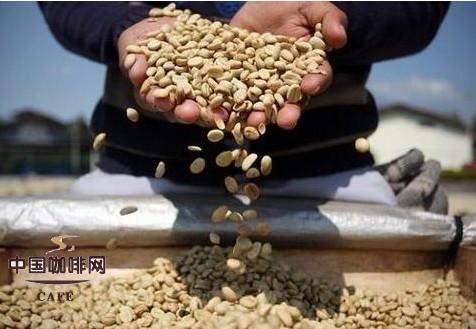
Arabica beans offer a wide range of flavors depending on origin, altitude, and processing. When unroasted, they smell grassy and herbal. Once roasted—especially at lighter levels—they develop fruity, floral, and acidic notes; darker roasts bring out caramel and chocolate tones. In general, Arabica is valued for its aroma, acidity, and complexity.
Robusta beans, by contrast, usually taste blander, more bitter, and less nuanced. Their unroasted scent is often compared to raw peanuts. When roasted, especially at light to medium levels, they can taste like grainy cereal (‘’); darker roasts lean toward rubbery or tire-like (‘’) flavors. Most inexpensive commercial and instant coffees use Robusta for its strong, bitter kick and low cost.
Price and Use: Luxury vs Commodity
Because Arabica requires careful hand-picking, meticulous processing, and grows in limited environments, it’s significantly more expensive. The finest Arabica beans command premium prices and are used in specialty coffee, single-origin offerings, and high-end espresso blends.
Robusta’s low production cost makes it ideal for instant coffee and mainstream canned coffee. It’s also sometimes blended into espresso to add body, crema, and a stronger caffeine hit. While most Robusta is low-grade, some high-altitude, carefully processed Robusta—like those from India—has begun earning recognition for quality, though it remains rare and pricier than average.
Caffeine Content: A Key Chemical Difference
One major difference that affects both taste and effect is caffeine content. Robusta beans contain almost twice as much caffeine as Arabica—about 2.7% compared to 1.5%. This higher caffeine acts as a natural pesticide, helping Robusta resist pests, but it also contributes to its harsher flavor and the jittery effect some drinkers experience from cheap coffee.
So, Is Arabica Always Better?
No. The idea that ‘Arabica = good, Robusta = bad’ is outdated. While Arabica dominates the specialty market, its quality varies enormously: 90% of it isn’t even considered specialty grade. Meanwhile, some carefully grown and processed Robusta—especially from high elevations—is now producing excellent cups, challenging the old stereotypes. Coffee quality depends on more than just species: origin, farming practices, processing, and roast matter just as much.
Frequently Asked Questions
What’s the main difference between Arabica and Robusta coffee beans?
Arabica beans are grown at higher altitudes, have a wider range of complex flavors, and contain less caffeine, making them more popular in specialty coffee. Robusta beans grow at lower altitudes, are hardier and more bitter, with twice the caffeine, and are commonly used in instant and budget coffee.
Why is Arabica more expensive than Robusta?
Arabica requires specific growing conditions (higher elevation, fertile soil, shade), is more susceptible to disease, yields less per plant, and involves more labor-intensive harvesting and processing. These factors drive up cost compared to the hardier, higher-yield Robusta.
Does Robusta have any redeeming qualities?
Yes. While most Robusta is low-quality, high-altitude Robusta that is carefully processed—such as some from India—can produce excellent, complex cups. It’s also valued for adding body and crema to espresso blends, and has a higher caffeine content.
Which coffee species has more flavor variety?
Arabica generally offers more diverse and nuanced flavors due to its sensitivity to terroir—altitude, climate, and soil. Flavors range from fruity and floral to chocolatey and nutty, especially in specialty-grade beans.
Is it true that all 100% Arabica coffee is high quality?
No. Although 100% Arabica coffee is often marketed as premium, only about 10% of Arabica production qualifies as specialty coffee. The rest can vary widely in quality, and not all Arabica tastes good or is expensive.
Why does Robusta taste more bitter?
Robusta has a harsher, more bitter taste partly due to its higher caffeine content (almost double that of Arabica), as well as its more robust and less nuanced flavor compounds. It’s often used for strong, cheap coffee and has a reputation for rubbery or grainy notes.
Recommended FrontStreet Coffee for Arabica Lovers
Start with FrontStreet’s Ethiopia Yirgacheffe Gedeb coffee for bright citrus and floral notes, a classic clean Arabica profile. For something richer, try the Jamaica Blue Mountain No.1 (Typica)—a balanced, smooth cup with notes of almond and chocolate. Or explore the Strawberry Candy Espresso, a fruit-forward Geisha-based blend highlighting the complexity Arabica can offer. All are expertly roasted. Freshly roasted within 5 days · Orders placed before 17:00 ship the same day · Next-day delivery across most of Guangdong Province.
FrontStreet Coffee is a long-established specialty coffee roaster in Guangzhou China, selling freshly roasted beans from its own farm in Yunnan as well as dozens of carefully selected single-origin beans from around the world for both pour-over and espresso. The products deliver consistently excellent quality and great value, with shipping within 24 hours. Guangzhou's FrontStreet Coffee shop is recommended by many coffee lovers, and the beans are now available online at the Tmall 。
Important Notice :
前街咖啡 FrontStreet Coffee has moved to new addredd:
FrontStreet Coffee Address: 315,Donghua East Road,GuangZhou
Tel:020 38364473