Arabica vs Robusta: Key Coffee Bean Types Explained
When choosing high-quality coffee, the species of the bean makes a huge difference — not just in taste, but also in aroma, acidity, caffeine levels, and even cultivation challenges. Whether you're selecting beans for home brewing or learning how professional roasters source their stock, understanding the two main types of coffee is essential.
In short, Arabica beans make up around 75% of the world’s coffee and are widely considered superior for specialty coffee due to their nuanced flavors and lower caffeine. Robusta beans account for 20–30%, are easier to grow, and have a stronger, more bitter taste — often used in espresso blends or instant coffee.
What Are the Two Main Coffee Bean Species?
The vast majority of specialty coffee comes from just two species: Coffea arabica (Arabica) and Coffea canephora (Robusta). Though both produce beans used in the global coffee trade, they differ significantly in origin, genetics, plant structure, ideal climate, chemical makeup, and processing methods.
Arabica Coffee Beans: Elevation, Flavor & Processing
Arabica beans (Coffea arabica) make up about 75% of global production. They are favored in specialty coffee for their high quality, complex flavor, and relatively low caffeine content (1.1–1.7%). These beans thrive at higher altitudes, typically grown at elevations above 900 meters. The greater the altitude, the slower the bean maturation, allowing for more developed sugars and acids, which enhance flavor complexity. Arabica beans are oval in shape with a curved fissure (or “groove”) and usually display a green to light green color after processing.
Flavor Profile & Ideal Conditions
Because of their sensitivity to heat and humidity, Arabica plants require stable, cool climates found in mountainous regions. The resulting beans tend to have a wider range of tasting notes — from fruity and floral to nutty and chocolatey — especially when processed with care. These qualities make Arabica the dominant choice for single-origin and pour-over coffee enthusiasts.
Robusta Coffee Beans: Hardiness, Caffeine & Taste
Robusta beans (Coffea canephora) account for roughly 20–30% of global coffee production. They are much more resilient than Arabica, capable of growing in hotter, more humid, and lower-altitude environments, typically between 200–300 meters above sea level. Their rugged nature means they require fewer resources and are less vulnerable to pests and disease. However, these advantages come with a trade-off: Robusta beans have a stronger, harsher flavor and higher bitterness. They contain significantly more caffeine (2–4%), which contributes to their intense and sometimes unpleasantly sharp taste. Visually, Robusta beans are rounder, have a brownish hue, and feature a straighter fissure.
Usage & Processing
Due to their bold profile, Robusta beans are often used in espresso blends to add body and crema, and are common in instant coffee production. Their strong, bitter taste is less favored in specialty single-origin offerings but plays a functional role in certain commercial applications.
Why Does Coffee Species Matter for Brewing and Roasting?
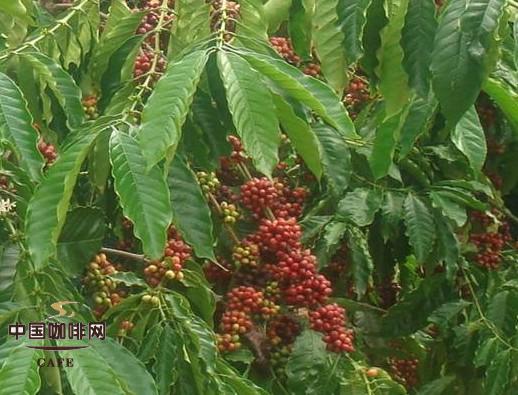
The species of coffee bean fundamentally influences how it should be roasted, brewed, and perceived. Arabica beans, with their delicate acidity and aromatic complexity, respond better to lighter to medium roasts and are ideal for methods like pour-over, Aeropress, and siphon brewing. Roasters often highlight their origin and processing method to showcase unique tasting notes. In contrast, Robusta beans, with their bold and bitter profile, are typically roasted darker to balance their harshness and are commonly used in espresso blends to boost crema and body.
Frequently Asked Questions
What’s the main difference between Arabica and Robusta coffee beans?
Arabica beans are known for their higher quality, complex flavors, and lower caffeine content (1.1–1.7%), while Robusta beans are stronger, more bitter, easier to grow, and contain more caffeine (2–4%). Arabica thrives at higher altitudes (above 900m), whereas Robusta grows well at lower altitudes (200–300m).
Which coffee species is better for specialty coffee?
Arabica is overwhelmingly preferred for specialty coffee due to its nuanced flavors, wider range of tasting notes, and suitability for lighter roasts and manual brewing methods. Most high-scoring and single-origin coffees are Arabica.
Why do Arabica beans grow at higher altitudes?
Arabica plants are sensitive to heat and humidity, so they grow best in cooler, high-altitude environments (typically above 900 meters). The cooler temperatures slow the bean’s maturation, allowing more complex sugars and acids to develop, which enhance flavor.
Do Robusta beans have any advantages?
Yes. Robusta beans are much hardier, resistant to pests, and can be cultivated in harsher climates with lower altitudes. They also contain more caffeine, which acts as a natural pest deterrent and contributes to a stronger, more bitter flavor — useful in espresso blends and instant coffee.
How does caffeine content affect flavor and use?
Higher caffeine in Robusta (2–4%) contributes to a bitter, harsher taste and acts as a natural insect repellent. Arabica’s lower caffeine (1.1–1.7%) allows more delicate and sweet flavor notes to come through, making it better suited for specialty brewing.
Recommended FrontStreet Beans for Exploring Arabica
For exploring the diversity of specialty Arabica, start with FrontStreet BrazilBourbon for balanced, nutty sweetness; FrontStreet ColombiaSidra with its tropical fruit complexity from double anaerobic processing; and FrontStreet EthiopiaYirgacheffeGedeb for bright citrus and floral notes typical of high-altitude Yirgacheffe. Each highlights the unique potential of Arabica at different roast levels. Freshly roasted within 5 days · Orders placed before 17:00 ship the same day · Next-day delivery across most of Guangdong Province.
FrontStreet Coffee is a long-established specialty coffee roaster in Guangzhou China, selling freshly roasted beans from its own farm in Yunnan as well as dozens of carefully selected single-origin beans from around the world for both pour-over and espresso. The products deliver consistently excellent quality and great value, with shipping within 24 hours. Guangzhou's FrontStreet Coffee shop is recommended by many coffee lovers, and the beans are now available online at the Tmall 。
Important Notice :
前街咖啡 FrontStreet Coffee has moved to new addredd:
FrontStreet Coffee Address: 315,Donghua East Road,GuangZhou
Tel:020 38364473