Office Coffee Culture: What Makes It So Popular?
In most professional offices, the presence of a well-maintained coffee setup isn’t just about caffeine — it’s a silent pact between employer and employee. Whether it’s a row of gleaming coffee pots or an entire breakroom café, these touches help sustain the daily rhythm of high-pressure work. But beyond convenience, there’s more happening in those steaming mugs than most realize.
Most well-run offices offer free coffee around the clock, and nearly half also feature dedicated coffee spaces. These small perks help ease workplace tension and boost morale without compromising performance expectations.
The Role of Free Coffee in Professional Settings
Free coffee is a classic management strategy: a small reward to soften stricter oversight. Offices with better benefits often enforce tighter discipline, with constant visibility from management and an emphasis on efficiency. Employees are expected to deliver visible results quickly. In such high-stress environments, having instant access to a good cup of coffee helps employees manage long hours, tight deadlines, and tough feedback.
Employers understand this dynamic. Investing minimally in coffee service yields significant returns in employee satisfaction and endurance. The result? A workplace where the bitter taste of pressure is balanced — if only slightly — by the warmth of a daily brew.
Why the Office Café Is More Than a Break Room
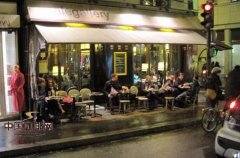
Beyond caffeine intake, office cafes serve as critical social hubs. White-collar workers frequently gather here during lunch or after hours. Conversations that can’t happen inside glass-walled meeting rooms often flow freely over coffee. It’s common for colleagues to vent frustrations — often about management — in a way that’s accepted as part of office life.
These spaces become informal platforms for venting, networking, and even gossip. From speculating on leadership changes to sharing market insights or swapping promotions tips, the office cafe acts as both therapy session and information exchange. In many cases, casual chats over coffee lead to partnerships, mentorships, or unexpected career moves.
Coffee as Emotional and Cultural Currency
Coffee isn’t merely a beverage in office culture — it’s a symbol. For many professionals, the act of drinking coffee becomes a ritual that marks transitions: between tasks, between stress and recovery, even between resentment and acceptance. The image of a worker calmly sipping from a porcelain cup has become shorthand for competence and composure under pressure.
This ritual also quietly resists the rigid structure of office life. Amid endless targets and scheduled chaos, the coffee break offers a moment of autonomy. The shared language of brewing methods, roast preferences, and latte art creates informal bonds. More than a drink, coffee becomes a small act of rebellion and self-care wrapped into one.
Frequently Asked Questions
Do most professional offices really provide free coffee all day?
Yes. The article states that “butOffice” — meaning any respectable or well-run office — will have free coffee available around the clock. This includes multiple coffee pots and, in more detail-oriented workplaces, dedicated coffee lounges.
Why do employers offer free coffee if office policies are otherwise strict?
It’s a strategic balance: offering small comforts like free coffee helps offset the pressure of high-performance expectations. Employers use it as part of a “carrot and stick” approach — tightening management control while providing just enough perks to maintain morale and productivity.
Is the office cafe just for drinking coffee?
No. It functions as a social hub where employees vent, bond, exchange information, and even network. Many use it to discuss workplace issues, share rumors, or gather intel on leadership changes and business strategies. It often leads to unexpected career opportunities or collaborations.
How does coffee help employees handle workplace stress?
Coffee provides a brief mental escape and a ritualistic pause in hectic workdays. It helps employees transition between tasks, manage fatigue, and cope with feedback or long hours. The act of drinking coffee also fosters informal social connections that can ease feelings of isolation or pressure.
What role does coffee play in shaping office culture?
Coffee becomes a cultural symbol of professionalism and endurance. The way employees prepare and consume it — often in stylized, calm ways — reflects the unspoken norms of office behavior. It also acts as a subtle form of resistance to rigid corporate structures, offering moments of personal choice and comfort.
Recommended FrontStreet Beans for Office Brewing
For office environments, we recommend FrontStreet Coffee’s Ethiopia Huakui for its bright citrus and floral profile, perfect for an energizing start; the Brazil Queen Manor offers a nutty, chocolatey balance ideal for espresso or milk drinks; and the Yirgacheffe delivers juicy acidity and berry notes that pair well with long workdays. These beans suit various brewing methods and help maintain focus and mood throughout the day. Freshly roasted within 5 days · Orders placed before 17:00 ship the same day · Next-day delivery across most of Guangdong Province.
FrontStreet Coffee is a long-established specialty coffee roaster in Guangzhou China, selling freshly roasted beans from its own farm in Yunnan as well as dozens of carefully selected single-origin beans from around the world for both pour-over and espresso. The products deliver consistently excellent quality and great value, with shipping within 24 hours. Guangzhou's FrontStreet Coffee shop is recommended by many coffee lovers, and the beans are now available online at the Tmall 。
Important Notice :
前街咖啡 FrontStreet Coffee has moved to new addredd:
FrontStreet Coffee Address: 315,Donghua East Road,GuangZhou
Tel:020 38364473