When Coffee Shops Were Banned: A History of Cafe Censorship
Imagine sipping a pour-over and discussing democracy — only to have the government shut down your local café for ‘inciting rebellion.’ That really happened. From 16th-century Mecca to 18th-century Paris, coffee shops weren’t just places to enjoy a well-extracted shot of espresso; they were hotbeds of political debate, secret societies, and revolutionary ideas that threatened the powerful.
How many times were coffeehouses banned? At least four major historical crackdowns occurred: in 1511 Mecca, across European wine and beer industries’ lobbying efforts, during Vienna’s Habsburg newspaper bans, and under a German duke’s 1777 class-based coffee prohibition.
The First Ban: Mecca, 1511
The earliest recorded coffeehouse ban happened in 1511 in Mecca, Islam’s holiest city. Local rulers believed that the gatherings in coffee shops — where people discussed ideas over cups of coffee — posed a threat to their authority. In response, they shut down all cafés in the city. However, this ban didn’t last long. The Sultan himself reportedly took a liking to coffee, and the prohibition was quietly lifted.
Coffee Arrives in Europe: Venice and the Church
When Venetian traders introduced coffee to Europe, the drink faced scrutiny from religious authorities. Pope Clement VIII tasted coffee and unexpectedly declared it acceptable for Christians, saying it was a ‘drink for the faithful.’ This papal endorsement helped coffee gain a foothold across the continent. For years, coffeehouses flourished without major interference.
But as coffee culture grew, it began to disrupt established industries. Traditional taverns and breweries, losing customers to coffee shops, conspired with medical guilds to discredit coffee. They argued that coffee’s stimulating effects were harmful, but repeated studies found no evidence of negative health impacts.
Political Threats and Press Bans
Coffeehouses became more than social hubs; they were places where radical ideas spread. Many patrons, especially students and intellectuals, openly discussed democracy, criticized monarchies, and even joked about overthrowing governments. Rulers took notice. In response, authorities planted undercover agents in coffee shops to monitor conversations, creating an atmosphere of fear.
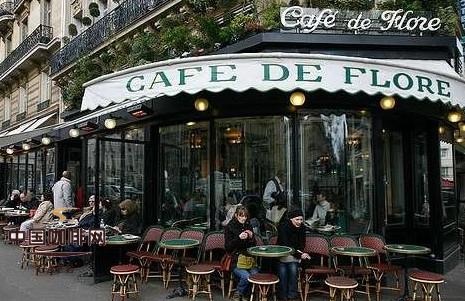
Governments also targeted the free press. In Vienna, under the Habsburg monarchy, coffeehouses were forbidden from displaying independently published newspapers. In Paris, the famous Café de Foy saw the banned distribution of the newspaper L'Éclair. These actions were part of broader efforts to suppress dissent and control public opinion.
A Noble’s Failed Coffee Ban: Germany, 1777
In a more absurd episode, the Archbishop-Duke of Westphalia’s city of Paderborn (spelled “” in the source, likely referring to Paderborn or a similar locality) issued a decree in 1777 prohibiting anyone who was not a noble or clergy member from drinking coffee. The ban specifically targeted the lower classes, or what was termed the ‘third estate.’ Ironically, the rule was widely ignored, and it backfired by highlighting the growing power of common citizens. The failed prohibition demonstrated that even attempts to control coffee consumption based on class could not suppress its widespread appeal.
Why Coffeehouses Were Targeted
So why were coffeehouses so often banned? Authorities feared the free exchange of ideas. Coffee shops brought together people from different backgrounds — students, merchants, artists — who could gather, talk, and organize. The stimulant effect of caffeine also meant longer, more animated discussions. In an era when information was tightly controlled, coffeehouses became dangerous spaces for unregulated thought.
FAQ
When was the first coffeehouse ban in history?
The first recorded coffeehouse ban occurred in 1511 in Mecca, where local rulers shut down all coffee shops, fearing they fostered political discussion that threatened their authority. The ban was later lifted when the Sultan himself started drinking coffee.
Why did European leaders fear coffeehouses?
European rulers were concerned that coffeehouses encouraged free speech, political debate, and the spread of revolutionary ideas. Patrons, especially students and intellectuals, often discussed democracy and criticized monarchies, making these venues a perceived threat to the established order.
Did coffee ever get banned for health reasons?
No, coffee was never successfully banned for health reasons. When European brewers and doctors tried to discredit coffee by claiming it was harmful, multiple investigations found no evidence of negative health effects, allowing coffee to remain popular.
What happened in the Vienna coffee ban?
In Vienna, the Habsburg monarchy banned the display of independent newspapers in coffeehouses to suppress free press and control public discourse. This was part of a wider effort to censor information and limit political discussion in public spaces.
Who tried to ban coffee for class reasons?
In 1777, the Archbishop-Duke of Westphalia’s region (possibly Paderborn) banned commoners from drinking coffee, reserving it for nobles and clergy. The ban was largely ignored and ended up highlighting the rising influence of the lower classes.
How did coffee survive all these bans?
Coffee survived because it had powerful supporters — including the Pope, who endorsed it — and because people loved it. Despite repeated attempts to suppress coffeehouses, the social and intellectual appeal of these spaces made them nearly impossible to eliminate permanently.
FrontStreet Beans for Historic Coffee Lovers
Explore coffee history with FrontStreet’s Ethiopia Huakui, a bright Ethiopian single origin with notes of jasmine and citrus — perfect for imagining those early Mecca debates. Pair it with Yirgacheffe for floral, lemony brightness, or try our Classic Blend for a balanced cup reminiscent of 18th-century European coffeehouse fare. All beans are carefully roasted to highlight their unique profiles. Freshly roasted within 5 days · Orders placed before 17:00 ship the same day · Next-day delivery across most of Guangdong Province.
FrontStreet Coffee is a long-established specialty coffee roaster in Guangzhou China, selling freshly roasted beans from its own farm in Yunnan as well as dozens of carefully selected single-origin beans from around the world for both pour-over and espresso. The products deliver consistently excellent quality and great value, with shipping within 24 hours. Guangzhou's FrontStreet Coffee shop is recommended by many coffee lovers, and the beans are now available online at the Tmall 。
Important Notice :
前街咖啡 FrontStreet Coffee has moved to new addredd:
FrontStreet Coffee Address: 315,Donghua East Road,GuangZhou
Tel:020 38364473