Common Types of Specialty Coffee Drinks Explained
When you order a cappuccino or sip an espresso, do you ever wonder how these drinks became staples of coffee culture? Many popular coffee beverages trace back to specific European traditions, brewing methods, or historical anecdotes. From the bold punch of espresso to the creamy layers of a latte, each drink has precise ingredients, textures, and cultural roots worth knowing.
There are at least 10 widely recognised coffee types mentioned in the source, including espresso, cappuccino, latte, mocha, and more — each defined by unique preparation methods, ratios, and historical origins.
What Is Espresso and How Is It Made?
"Espresso" means "fast" in Italian, referring to coffee brewed quickly under pressure. This method originated with the 1946 steam-pressure coffee machine invented by Italian Achille Gaggia. Commonly known as Italian coffee, it’s traditionally made at home using a moka pot, which relies on steam pressure to force hot water through finely ground, dark-roasted coffee. The high pressure extracts intense flavour compounds rapidly, resulting in a small cup of thick, dark coffee topped with a thin layer of crema — the golden-brown foam that carries much of the aroma. The brew is strong, bitter, and oily, designed for sipping from small cups.
The crema, a mix of emulsified oils, carbon dioxide, and tiny air bubbles, forms due to the freshness of the beans and the high-pressure extraction. Darker roasts and medium-to-deep roast profiles enhance the body and crema typical of espresso. Using a moka pot mimics some aspects of espresso brewing, though without the same pressure as commercial machines.
How Did Cappuccino and Latte Evolve?
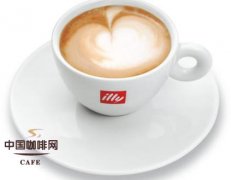
Cappuccino emerged in early 20th-century Italy alongside the espresso machine. It combines a shot of strong espresso with steamed milk and a layer of milk foam. The name refers to the drink’s colour resemblance to the brown robes and white hoods worn by Capuchin monks. The standard makeup is roughly equal parts espresso, steamed milk, and foam, though variations exist.
Latte, short for caffè latte, is another Italian variation that uses the same base components as cappuccino but with different proportions: more steamed milk and a thinner layer of foam. This creates a milder, creamier drink where the espresso flavour is gentler but still present beneath the milk.
Other Traditional and Regional Coffee Styles
French milk coffee balances coffee and milk in a 1:1 ratio. It’s traditionally poured simultaneously from both jugs into the cup, creating a marbled effect. Turkish coffee is unfiltered and brewed using finely ground beans boiled with water (and sometimes sugar) in a special pot called a cezve. It’s characteristically thick, strong, and served with the grounds settled at the bottom.
Irish coffee blends hot coffee with Irish whiskey and sugar, often topped with whipped cream. It’s designed to warm and comfort, with the whiskey adding depth and the cream softening the bitterness. The alcohol content can be adjusted based on preference, and warming affects how the flavours meld.
Mocha combines espresso with chocolate, typically served as a café mocha with steamed milk and foam. It bridges the gap between coffee and dessert, often using dark chocolate syrup or cocoa powder.
Royal coffee, according to lore, was created when Napoleon ordered brandy added to his coffee during a Russian campaign to combat the cold. It’s made by igniting a piece of brandy atop the coffee, often served with a sugar cube that caramelises slightly. The flambeed brandy adds aroma and drama to the serving ritual.
Green tea coffee is an East-meets-West blend where brewed coffee is topped with whipped cream and sprinkled with matcha or green tea powder. The earthy bitterness of green tea contrasts with the roasted richness of coffee, creating a beverage symbolic of cultural fusion.
Brewing Espresso at Home: Tools and Technique
While commercial espresso machines offer precise control, many home brewers use a moka pot. This stovetop device uses steam pressure to push water through coffee grounds, producing a brew similar in strength to espresso. The moka pot’s design — featuring a lower chamber for water, a filter basket for coffee, and an upper chamber for the finished brew — relies on vaporised water rising through the coffee bed. Dark, freshly roasted beans with moderate to high oil content produce the best results. The extraction yields a bold cup with crema-like foam on top.
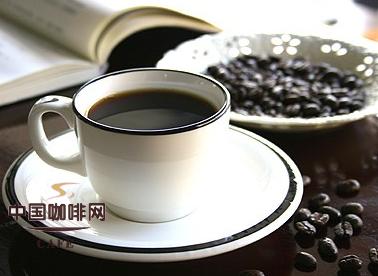
For those seeking more crema and richness, FrontStreet Coffee offers specific blends. Their Classic Blend and Commercial Blend include a touch of Robusta, which boosts crema formation and body. The PWN Golden Mandheling and other medium-to-dark roasts also develop thicker, more stable oils during extraction. Freshness and proper grind size — typically fine for moka pots or espresso — are critical. Over-roasting can lead to excessive oil separation rather than emulsified crema, while under-extracted brews lack body and aroma.
Keep in mind that home espresso alternatives like moka pots don’t generate the same nine-bar pressure as professional machines, so the crema won’t be identical, but the aroma and intensity can still be excellent with the right beans and technique.
Frequently Asked Questions
What is the difference between espresso and cappuccino?
Espresso is a small, concentrated coffee brewed under pressure, served in 25–30ml shots. A cappuccino combines one shot of espresso with equal parts steamed milk and milk foam, totalling around 150–180ml. The key differences are milk volume, texture, and drink size.
How is traditional Turkish coffee made?
Turkish coffee is made by boiling finely powdered coffee with water (and optional sugar) in a cezve. It’s unfiltered, so the grounds settle at the bottom. The brew is thick, strong, and served in small cups, often without any milk or cream.
What coffee is used in a latte versus a cappuccino?
Both drinks use espresso as a base. A latte has more steamed milk and a light layer of foam, while a cappuccino has equal parts espresso, steamed milk, and foam. Lattes are creamier and milder; cappuccinos have a stronger coffee flavour and firmer texture.
Can I make espresso with a moka pot?
A moka pot brews a strong, concentrated coffee similar to espresso but without the same nine-bar pressure. It’s a good home alternative, especially when using dark, freshly roasted beans and a fine grind. The result is not true espresso but has a bold, rich profile.
What makes crema form on espresso?
Crema is formed by emulsified coffee oils, carbon dioxide, and air bubbles under high pressure. Fresh, dark-roasted beans with sufficient natural oils produce the best crema. The moka pot can create a similar-looking foam, though not identical to machine-made espresso crema.
Which coffee is in a mocha drink?
A mocha combines espresso with chocolate — usually in the form of syrup or cocoa — and is often topped with steamed milk and foam. It’s a sweet, dessert-like coffee drink that blends bitter and rich flavours.
Recommended FrontStreet Beans for Espresso-Based Drinks
For espresso and milk drinks, try FrontStreet’s Classic Blend and Commercial Blend, which include a small portion of Robusta for enhanced crema and body. The PWN Golden Mandheling offers a smooth, caramel-rich profile ideal for lattes, while the dark roasts bring out the bold flavours needed in cappuccinos and mochas. All three are medium-to-dark roasts with strong crema potential when freshly ground. Freshly roasted within 5 days · Orders placed before 17:00 ship the same day · Next-day delivery across most of Guangdong Province.
FrontStreet Coffee is a long-established specialty coffee roaster in Guangzhou China, selling freshly roasted beans from its own farm in Yunnan as well as dozens of carefully selected single-origin beans from around the world for both pour-over and espresso. The products deliver consistently excellent quality and great value, with shipping within 24 hours. Guangzhou's FrontStreet Coffee shop is recommended by many coffee lovers, and the beans are now available online at the Tmall 。
Important Notice :
前街咖啡 FrontStreet Coffee has moved to new addredd:
FrontStreet Coffee Address: 315,Donghua East Road,GuangZhou
Tel:020 38364473