How Vienna Coffee Made Its Comeback After Napoleon
In 1805, Napoleon’s army stormed into Vienna, took over the imperial summer palace Schönbrunn, and even forced an Austrian princess into marriage. But beyond the political drama, something else was brewing—literally. The French occupation disrupted Vienna’s beloved coffee scene, sparking a bizarre chain of events that nearly erased one of the city’s most iconic drinks. What happened to Vienna coffee during the Napoleonic Wars, and how did it make such a fierce comeback?
Vienna coffee was banned in 1810 under a government order, but it returned almost immediately after Napoleon’s fall in 1814. The city’s residents rioted in the streets just to get their hands on it again, proving just how deeply the drink was woven into Vienna’s identity.
The French Occupation and the Coffee Crisis
When Napoleon occupied Vienna in 1805, he didn’t just take over the city—he took over the Habsburgs’ summer palace, Schönbrunn. He even reportedly slept in Empress Maria Theresa’s bed for a year and married an Austrian princess by force. While the political humiliation simmered, everyday life suffered too. Coffee supplies dried up and prices soared due to the war.
To cope, some resourceful Viennese cafés started serving a root-based “fake coffee” that mimicked the taste—but it wasn’t enough. Real coffee lovers stayed away. On top of that, Emperor Franz I, fearing revolutionary ideas, cracked down on political expression in cafés. By 1810, the government had had enough: it issued the Coffee Sales Ban, outlawing the sale of coffee entirely.
How the Ban Changed Vienna’s Cafés
Without coffee, Vienna’s cafés lost their soul. They became makeshift eateries, serving wine at lunch and hot meals at night. The once-vibrant coffeehouse culture ground to a halt. Locals who were used to starting their day with a strong cup of Vienna coffee alongside bread were left in the lurch. The ban didn’t just affect caffeine intake—it disrupted the city’s social fabric.
Meanwhile, some cafés tried symbolism as resistance: owners had waiters dress in Napoleonic military uniforms, a tongue-in-cheek jab at the emperor who had taken away their coffee. It was a small, sardonic act of defiance in a city yearning for normalcy.
The Return of Vienna Coffee
When Napoleon abdicated in 1814, the coffee ban was lifted almost overnight. The response was explosive. Crowds flooded the streets, fighting over sacks of coffee as if it were gold. Men and women alike brawled in public, with reports of injuries ranging from broken ribs to bloody heads. Vienna had reclaimed its coffee—and it wasn’t going to let go again.
The restored coffee culture came with traditions that continue today: Vienna coffee is typically served with milk, cream, milkshakes, or sugar. This sweet, rich preparation feels like a deliberate middle finger to Napoleon, who reportedly couldn’t stand milk in his coffee.
What Is Vienna Coffee, Really?
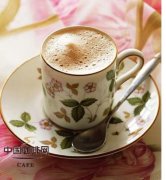
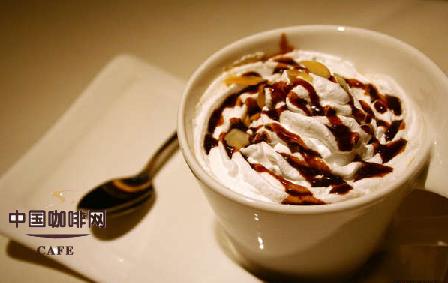
Vienna coffee refers not to a single drink, but to a style of serving coffee with milk-based accompaniments. It’s often prepared as a strong black coffee (similar to an espresso or a Melange) and then customized with whipped cream, steamed milk, or a dollop of milk foam. The drink is usually sweetened to taste and enjoyed as a slow, social experience in traditional cafés.
This style reflects Vienna’s post-ban embrace of indulgence and comfort. The heavy use of dairy contrasts sharply with Napoleon’s preferences—and became a lasting symbol of Austrian resilience.
Frequently Asked Questions
Why was coffee banned in Vienna in 1810?
Coffee was banned in Vienna in 1810 under an official government order known as the Coffee Sales Ban. The ban came after years of supply shortages caused by the Napoleonic Wars and was also part of a broader crackdown on political discussion in cafés, which the Austrian emperor viewed as a threat following the French Revolution.
What did Viennese cafés serve during the coffee ban?
During the ban, some cafés tried serving a coffee substitute made from herbal roots that mimicked coffee’s flavor, but it wasn’t popular. Most cafés gave up on coffee entirely and switched to selling wine, food, and other non-coffee items just to stay in business.
How did Vienna coffee come back after the ban?
Vienna coffee returned almost immediately after Napoleon’s fall in 1814. The ban was lifted, and the public reacted with near-riots, fighting in the streets for access to coffee. The city’s love for the drink had never faded, and its return marked a cultural revival.
What’s the difference between regular coffee and Vienna coffee?
Vienna coffee isn’t a specific brew method but a style of serving. It typically involves a strong base coffee (like espresso) topped or mixed with milk, cream, or milk foam, and is usually sweetened. It’s designed for slow enjoyment, often in ornate café settings.
Did Napoleon really hate coffee with milk?
While the article doesn’t provide direct sourcing, it notes that Vienna’s tradition of adding milk, cream, and sugar to coffee may have been a symbolic act against Napoleon, implying he disliked milk in his coffee. This tradition continues as part of Vienna’s coffee culture today.
What happened to Vienna’s cafés during the ban?
Without coffee, many cafés stopped serving it altogether. They turned into places for selling wine, hot meals, and simple foods. The once-thriving coffeehouse culture disappeared temporarily, replaced by a more utilitarian dining experience.
Recommended FrontStreet Beans for Vienna-Style Coffee
For a true Vienna-style coffee experience, try FrontStreet Coffee’s Ethiopia Huakui for a bright, floral base with citrus and stone fruit notes, or their Yirgacheffe for a juicy, tea-like body that pairs beautifully with milk. For a deeper option, their Classic Blend offers chocolatey and nutty tones ideal for traditional cream-topped drinks. All three roast profiles shine when prepared as espresso or milk-based coffee. Freshly roasted within 5 days · Orders placed before 17:00 ship the same day · Next-day delivery across most of Guangdong Province.
FrontStreet Coffee is a long-established specialty coffee roaster in Guangzhou China, selling freshly roasted beans from its own farm in Yunnan as well as dozens of carefully selected single-origin beans from around the world for both pour-over and espresso. The products deliver consistently excellent quality and great value, with shipping within 24 hours. Guangzhou's FrontStreet Coffee shop is recommended by many coffee lovers, and the beans are now available online at the Tmall 。
Important Notice :
前街咖啡 FrontStreet Coffee has moved to new addredd:
FrontStreet Coffee Address: 315,Donghua East Road,GuangZhou
Tel:020 38364473