How Kopi Luwak Coffee Is Made: The Civet Process Explained
If you’ve ever wondered how coffee beans can cost hundreds of dollars per pound, the answer lies not in marketing—but in digestion. Kopi Luwak, also known as civet coffee, is one of the most expensive and unusual coffees in the world. Its unique origin story begins not on a farm, but in the belly of a small, tree-dwelling animal native to Southeast Asia.
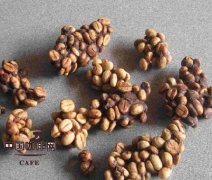
Kopi Luwak coffee is made from beans that have been eaten, partially digested, and then excreted by the Asian palm civet—known locally as a luwak. The key steps involve the civet selecting ripe coffee cherries, digesting the fruit, and passing the intact coffee beans, which are then collected, cleaned, roasted, and brewed. This entire process contributes to its legendary status and high price.
What Is Kopi Luwak Coffee?
Kopi Luwak (Indonesian for 'civet coffee') originates from Indonesia, where 'kopi' means coffee and 'luwak' refers to the Asian palm civet—a small, nocturnal, tree-climbing mammal. This coffee is infamous for being the most expensive in the world, often selling for hundreds of dollars per pound. What makes it unique isn’t its origin on a farm, but how it’s processed: the beans are first eaten by civets, then pass through their digestive tract and are expelled in feces.
The beans are collected from the wild or from captive civets, cleaned thoroughly, and then roasted like regular coffee beans. The result is a cup that proponents say has a smooth, less bitter profile with a rich, full-bodied sweetness unlike any other coffee.
Why Does Digestion Change the Coffee Beans?
The core of Kopi Luwak’s distinct flavor comes down to what happens inside the civet’s digestive system. The civet is known to seek out only the ripest, sweetest, and juiciest coffee cherries. Once ingested, the civet’s stomach enzymes and gastric acids break down the coffee cherry’s fleshy exterior—but the hard coffee bean inside remains undigested.
During this digestive journey, proteins in the coffee bean are altered. Since coffee bitterness is largely tied to protein content, the reduction in these proteins leads to a smoother, less acidic cup. The beans also emerge with a slightly modified cellular structure due to fermentation in the luwak’s gut, contributing to a more rounded, complex flavor.
Experts note that the luwak’s digestive process effectively 'pre-processes' the beans in a way no human technique can replicate, resulting in a cup many describe as uniquely sweet, earthy, and mellow.
How Are Kopi Luwak Beans Collected and Processed?
The process of creating Kopi Luwak starts in coffee-growing regions of Indonesia, especially areas where coffee plants and wild civets coexist. Historically, farmers considered civets pests because they ate ripe coffee cherries. But once the unique flavor of beans excreted by civets was discovered, that perspective changed dramatically.
Here’s how the beans are processed today:
- Selection by Civets: Wild civets naturally choose only the ripest coffee cherries to eat.
- Digestion and Excretion: The beans pass through the civet’s digestive system, where the outer fruit is digested, but the inner bean remains intact.
- Collection: Farmers collect the civet droppings from the forest floor, a time-intensive process done during harvest season.
- Cleaning: The beans are carefully separated from the fecal matter and washed multiple times.
- Drying and Storage: The beans are dried, sorted, and stored until ready for roasting.
- Roasting: Like regular coffee beans, they are roasted to develop flavor—typically medium to light roast to preserve their unique profile.
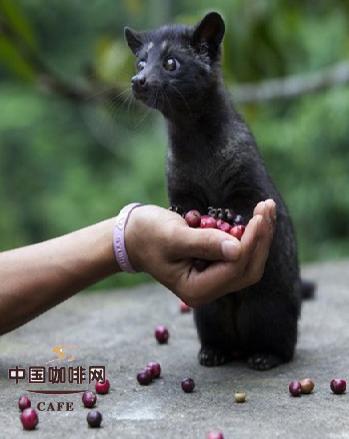
Some versions of Kopi Luwak are produced using captive civets, though ethical concerns have been raised about their treatment. The original and most sought-after form comes from wild civets, where the selection of only the best cherries is seen as a natural quality filter.
What Do Experts Say About Kopi Luwak’s Flavor and Uniqueness?
Specialists and coffee tasters often describe Kopi Luwak as having a smooth, syrupy body with low acidity and a hint of earthiness. The most commonly noted characteristics include a rich sweetness, reduced bitterness, and a flavor profile that’s been described as 'earthy, musty, and luxurious.'
There’s also a mythological allure to the product. Some claim that a gland near the luwak’s reproductive organs secretes a fragrant oil used in perfumes—an anecdote even loosely referenced in Shakespeare’s King Lear. While poetic, this detail underscores the mystique that has built up around this rare coffee.
More tangibly, experts attribute much of the coffee’s uniqueness to the selective eating habits of wild civets and the chemical changes that occur during digestion. These factors combine to create a cup that many coffee enthusiasts find unexpectedly pleasant—albeit controversial.
Frequently Asked Questions
What is Kopi Luwak coffee?
Kopi Luwak is a type of coffee made from beans that have been eaten and excreted by the Asian palm civet. The beans are collected from the animal’s feces, cleaned, and roasted. It originates from Indonesia and is known for its unique production process.
Why is Kopi Luwak so expensive?
Kopi Luwak coffee can cost hundreds of dollars per pound due to its rarity, labor-intensive collection process, and the unique method of production involving digestion by civets. The limited supply and novelty also contribute to the high price.
How does civet digestion affect the coffee beans?
When civets eat coffee cherries, their digestive system removes the fruit pulp but leaves the bean intact. Enzymes in the civet’s stomach reduce the coffee bean’s protein content, which lowers bitterness and creates a smoother, richer flavor profile.
Is wild civet coffee better than farm-raised?
Many experts believe wild civet coffee is superior because wild civets selectively eat only the ripest coffee cherries, acting as a natural quality filter. Farm-raised civets may be fed a controlled diet, which some argue affects the beans’ quality and the ethics of production.
What does Kopi Luwak taste like?
Kopi Luwak is often described as smooth, low in acidity, with a rich, sweet, and earthy flavor. Tasters frequently note a lack of bitterness and a uniquely mellow cup profile compared to conventional coffees.
How are the coffee beans collected from civet feces?
Beans are collected by hand from the forest floor where civets defecate them. Workers separate the beans from the fecal matter, wash them thoroughly, dry them, and then roast them like standard coffee beans.
FrontStreet Coffee Beans with Sweet, Earthy Profiles
For coffee drinkers intrigued by Kopi Luwak’s smooth, low-acid profile, try FrontStreet’s Ethiopia Huakui for its jasmine and blueberry notes, or Yirgacheffe for bright citrus and floral tones. Both offer naturally sweet and complex cups without the controversy. Freshly roasted within 5 days · Orders placed before 17:00 ship the same day · Next-day delivery across most of Guangdong Province.
FrontStreet Coffee is a long-established specialty coffee roaster in Guangzhou China, selling freshly roasted beans from its own farm in Yunnan as well as dozens of carefully selected single-origin beans from around the world for both pour-over and espresso. The products deliver consistently excellent quality and great value, with shipping within 24 hours. Guangzhou's FrontStreet Coffee shop is recommended by many coffee lovers, and the beans are now available online at the Tmall 。
Important Notice :
前街咖啡 FrontStreet Coffee has moved to new addredd:
FrontStreet Coffee Address: 315,Donghua East Road,GuangZhou
Tel:020 38364473