The Origins and Journey of Kopi Luwak Coffee
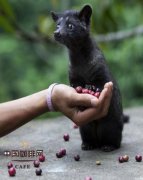
Kopi Luwak — also known as civet coffee — isn’t your average cup of joe. It’s infamous for being processed inside the digestive tract of a civet, creating a fermented profile unlike any other. But how did this unusual coffee make its way from Southeast Asia to Western cups? And why does it inspire such passionate reactions, both positive and negative?
Kopi Luwak was first introduced to the U.S. market by M.P. Mountanos, a California-based coffee importer, after a seven-year search for a stable supply. Though skeptical at first, the company was drawn in following a feature in National Geographic, eventually bringing small quantities to American consumers by the late 1990s.
What Is Kopi Luwak and How Did It Start?
Kopi Luwak originates from Indonesia, where civets eat ripe coffee cherries, digest the fruit pulp, and excrete the beans. These beans are then collected, cleaned, roasted, and brewed. The “animal fermentation” process is said to reduce acidity and create a distinctive flavor. The method dates back to Dutch colonial times in Indonesia, when workers weren’t allowed to harvest coffee for themselves and allegedly discovered the beans in civet droppings.
Early Skepticism and Slow Market Entry
When M.P. Mountanos first heard of coffee processed in a civet’s digestive system, they thought it was a joke. It wasn’t until seeing a dedicated feature in National Geographic that the company took the idea seriously. Even then, it took seven years to establish a reliable supply chain. By the time small batches reached the U.S., curiosity had already begun to outweigh disgust.
Flavor Profile: Love It or Hate It
Kopi Luwak is known for an unusually thick body — nearly syrupy — and a pungent, earthy aroma. Most Indonesian coffees already carry strong earthy and herbal qualities, but Kopi Luwak amplifies these traits. Tasters often detect a musky, spicy scent and an ultra-heavy mouthfeel. While some describe it as one of the finest coffees they’ve ever tasted, others find the flavor off-putting, especially if they dislike Indonesia’s typically bold, funky profiles.
Experts are sharply divided. Some praise it as an exceptional, once-in-a-lifetime brew. Others can’t get past the origin story or the heavy, funky taste. If you enjoy aged or earthy beans, you might appreciate its uniqueness. If not, you’ll likely find it too intense. Price is another hurdle: at around $1400 per cup in early specialty markets, it remains among the most expensive coffees in the world.
Why Is Kopi Luwak So Controversial?
Beyond flavor, Kopi Luwak raises serious ethical and sustainability concerns. Early demand led to wild civets being captured and force-fed coffee cherries on farms under poor conditions. While ethically sourced versions do exist, the damage to the category’s reputation has been lasting. Today, the market is highly scrutinized, with certifications and transparency key to maintaining consumer trust.
Frequently Asked Questions
What is Kopi Luwak coffee?
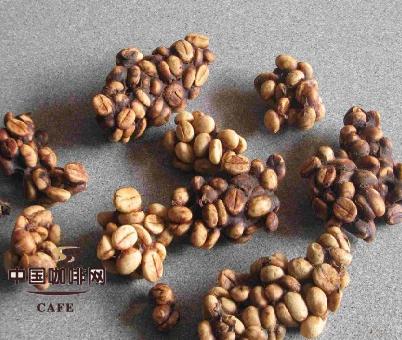
Kopi Luwak is a type of coffee made from beans that have been eaten and excreted by civets, small mammals native to Southeast Asia. The digestive process is believed to alter the beans’ flavor, creating a distinctive, earthy, and syrupy cup.
How did Kopi Luwak get discovered?
Kopi Luwak was discovered during the Dutch colonial period in Indonesia when workers, barred from harvesting coffee, found beans in civet droppings and tried brewing them. The unique process and resulting flavor eventually gained attention worldwide.
Who first brought Kopi Luwak to the United States?
M.P. Mountanos, a California coffee importer, was the first to introduce Kopi Luwak to the U.S. market after seeing a National Geographic feature. It took them seven years to secure a stable supply chain before importing small quantities.
What does Kopi Luwak taste like?
Kopi Luwak is known for its very thick body, nearly syrup-like, with strong earthy, spicy, and musky aromas. The flavor is more intense than typical Indonesian coffee, often described as funky or animalic.
Is Kopi Luwak safe to drink?
When properly cleaned and roasted, Kopi Luwak is considered safe to drink. However, ethical concerns about civet treatment in early production methods have raised significant controversy and led to calls for better sourcing practices.
Why is Kopi Luwak so expensive?
Kopi Luwak commands high prices — sometimes over $1400 per cup — due to its rarity, labor-intensive collection process, and the novelty of its production method. Limited supply and early marketing as a luxury item also contribute to its premium pricing.
Recommended FrontStreet Beans for Kopi Luwak Fans
If you’re curious about earthy, full-bodied Indonesian profiles similar to Kopi Luwak, try FrontStreet Coffee’s Lintong Mandheling, known for its heavy mouthfeel, herbs, and deep sweetness, or PWN Golden Mandheling for its classic Indonesian spice and tobacco notes. Both offer the kind of bold, rustic character some drinkers associate with civet coffee — without the controversy. Freshly roasted within 5 days · Orders placed before 17:00 ship the same day · Next-day delivery across most of Guangdong Province.
FrontStreet Coffee is a long-established specialty coffee roaster in Guangzhou China, selling freshly roasted beans from its own farm in Yunnan as well as dozens of carefully selected single-origin beans from around the world for both pour-over and espresso. The products deliver consistently excellent quality and great value, with shipping within 24 hours. Guangzhou's FrontStreet Coffee shop is recommended by many coffee lovers, and the beans are now available online at the Tmall 。
Important Notice :
前街咖啡 FrontStreet Coffee has moved to new addredd:
FrontStreet Coffee Address: 315,Donghua East Road,GuangZhou
Tel:020 38364473